2013 Fashion Trends: Designer Insights and Style Evolution
The year 2013 marked a pivotal moment in fashion history, where designers worldwide pushed boundaries and redefined contemporary style. This era represented a fascinating intersection of minimalism and maximalism, where fashion-forward thinkers embraced bold experimentation while simultaneously celebrating refined elegance. The 2013 fashion landscape revealed designers’ deep commitment to innovation, sustainability, and cultural relevance, creating trends that would influence the industry for years to come. Understanding these pivotal trends provides insight into how modern fashion evolved and continues to shape our wardrobes today.
From high fashion runways in Paris and Milan to street style in New York and London, 2013 delivered unforgettable moments that challenged conventional aesthetics. Designers drew inspiration from diverse sources—vintage archives, technological advancement, and global cultural movements—to create collections that felt both timeless and urgently contemporary. Whether you’re a fashion enthusiast seeking to understand this transformative year or someone looking to incorporate classic 2013 elements into your modern wardrobe, this comprehensive guide explores the designer insights that defined an entire generation’s approach to style.
The Rise of Minimalist Sophistication
Minimalism in 2013 represented far more than simple aesthetics—it embodied a philosophy of intentional design and refined restraint. Leading designers like Jil Sander and The Row championed this movement, proving that less could indeed be exponentially more. The minimalist trend of 2013 emphasized clean lines, neutral color palettes, and impeccable tailoring, creating garments that transcended seasonal trends to become timeless wardrobe staples. This approach resonated with consumers seeking quality over quantity, establishing the foundation for the minimalist movement that would dominate subsequent decades.
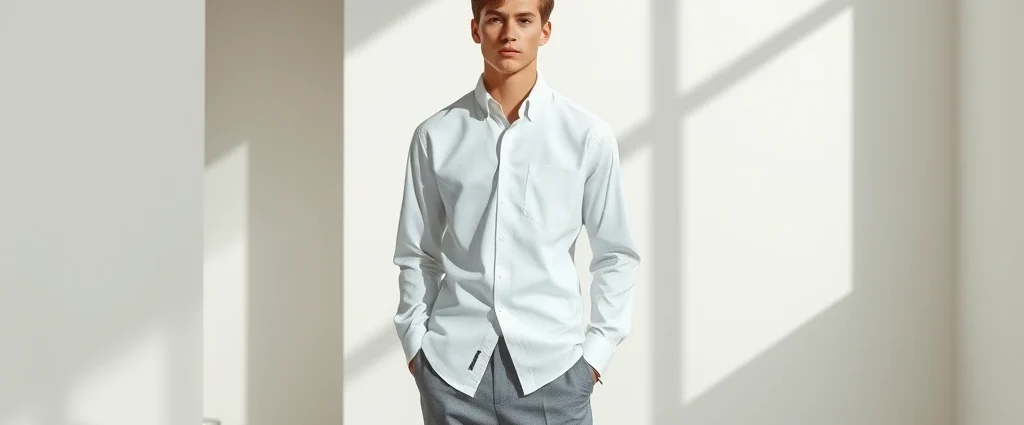
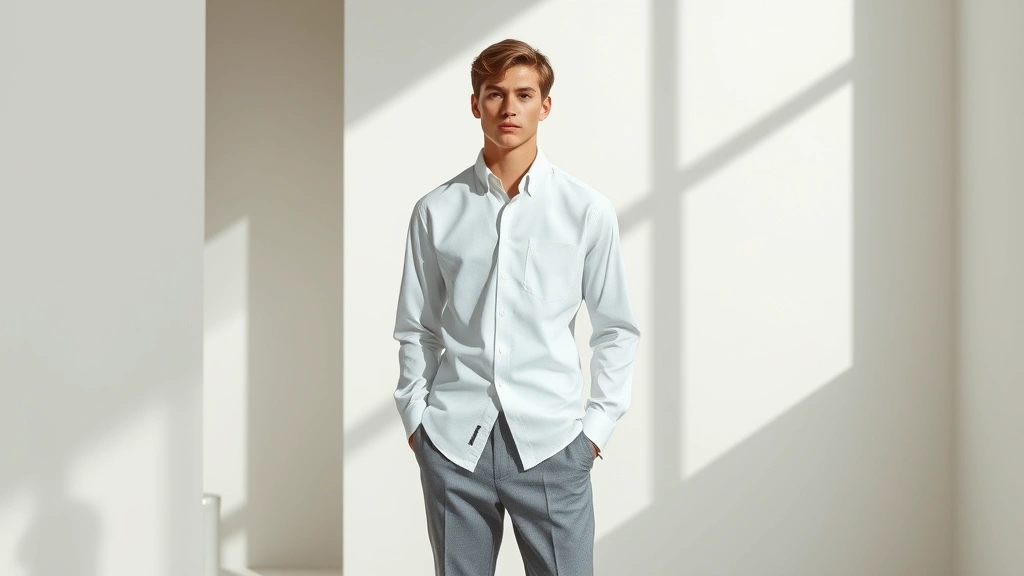
The sophistication of 2013 minimalism lay in its technical precision. Designers invested enormous effort into perfecting proportions, selecting premium fabrics, and ensuring every seam reflected masterful craftsmanship. A simple white button-down shirt became an exercise in perfection, with designers experimenting with fabric weights, button materials, and sleeve lengths to create subtle variations that elevated the basic wardrobe essential. This dedication to detail influenced how consumers approached their personal wardrobes, encouraging investment in quality basics that could serve as foundations for countless outfit combinations.
Neutral tones dominated minimalist collections—whites, blacks, grays, and beiges provided versatile canvases for layering and accessorizing. Designers recognized that minimalism didn’t mean boring; instead, it meant allowing texture, fit, and quality materials to speak for themselves. This trend particularly influenced professional wardrobes, as office environments embraced the concept that refined simplicity projected confidence and competence. Understanding how to find your personal style became increasingly relevant as minimalism offered a framework for building cohesive, intentional wardrobes.
Bold Color Palettes and Maximalist Design
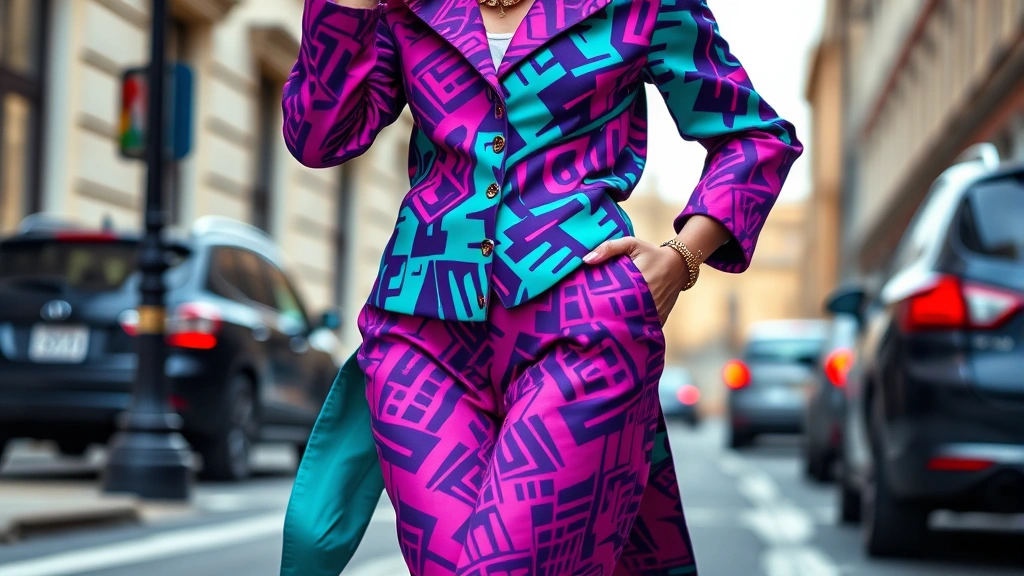
Simultaneously, 2013 witnessed an explosion of maximalist design that celebrated abundance, pattern mixing, and unapologetic color. This counter-movement to minimalism proved equally influential, with designers like Marc Jacobs and Christopher Kane creating collections bursting with vibrant hues, elaborate prints, and layered textures. The maximalist trend reflected a cultural moment where fashion became a vehicle for self-expression and joy, rejecting the notion that restraint equaled sophistication. Bright teals, electric purples, and saturated pinks dominated runways, while complex pattern combinations challenged traditional design conventions.
The psychology behind 2013’s maximalist explosion connected to broader cultural shifts. As digital technology increasingly dominated daily life, fashion offered a tactile escape—an opportunity to celebrate physicality, craftsmanship, and sensory experience. Maximalist designers employed layering, texture mixing, and bold prints to create pieces that demanded attention and commanded space. This approach particularly appealed to younger consumers who viewed fashion as personal expression rather than conformity, establishing trends that would influence streetwear and casual fashion for years to come.
Color blocking emerged as a key maximalist technique, with designers juxtaposing contrasting hues in geometric patterns that created optical illusions and dynamic movement. Floral prints combined with geometric patterns, metallics mixed with matte finishes, and unexpected color combinations created visual excitement. This trend democratized fashion, as high street retailers quickly adapted maximalist principles into affordable collections, allowing broader audiences to experiment with bold color and pattern. The maximalist movement of 2013 ultimately proved that fashion could simultaneously celebrate both restraint and exuberance, depending on individual preference and context.
Structural Innovation and Avant-Garde Silhouettes
2013 represented a remarkable year for structural experimentation, with designers pushing silhouettes into unexpected territories. Alexander McQueen’s posthumous collections, overseen by Sarah Burton, showcased architectural precision combined with romantic elements, creating garments that functioned as wearable art. Designers explored unconventional proportions—exaggerated shoulders, dramatic hemlines, and sculptural draping—transforming clothing into three-dimensional statements. This structural innovation reflected broader fashion industry trends toward viewing garments as objects of design rather than mere functional coverings.
The avant-garde silhouettes of 2013 challenged wearers to reconsider their relationship with clothing. Oversized proportions created unexpected volume, while strategic tailoring ensured garments maintained structure and intentionality. Designers experimented with asymmetrical cuts, unexpected fabric combinations, and unconventional construction techniques that revealed the craftsmanship underlying fashion design. This period inspired interest in fashion design degree programs, as younger audiences became fascinated by the technical skills required to execute these innovative designs.
Fabric manipulation became equally important to silhouette innovation. Designers employed techniques like pleating, gathering, and strategic distressing to create movement and visual interest within structured forms. Sheer fabrics layered over opaque materials created transparency effects that suggested vulnerability while maintaining sophistication. These structural experiments influenced ready-to-wear collections throughout the industry, as designers recognized that innovation in form attracted media attention and established creative credibility. The 2013 emphasis on structural innovation ultimately elevated fashion design to an art form that valued experimentation and creative risk-taking.
Sustainable Fashion and Ethical Production
2013 marked an inflection point in fashion’s relationship with sustainability and ethical production. As environmental and labor concerns gained prominence, designers increasingly committed to responsible sourcing, transparent supply chains, and sustainable manufacturing practices. Stella McCartney continued pioneering luxury sustainable fashion, while emerging designers built entire brands around ethical principles. This trend reflected evolving consumer consciousness—younger audiences increasingly demanded that fashion align with personal values regarding environmental stewardship and fair labor practices.
The sustainable fashion movement of 2013 challenged the industry’s traditional model of seasonal collections and disposable clothing. Designers began emphasizing durability, timeless design, and garment longevity, recognizing that truly sustainable fashion meant creating pieces worth keeping and wearing repeatedly. This philosophy aligned naturally with the minimalist trend, as both celebrated quality over quantity and intentional consumption. Luxury brands invested in traceability systems, organic materials, and ethical manufacturing partnerships, establishing frameworks that would become industry standards in subsequent years.
Sustainable fashion in 2013 wasn’t relegated to niche markets—it increasingly influenced mainstream fashion discourse. Major retailers began incorporating sustainable collections, and industry publications highlighted designers’ environmental commitments. This movement demonstrated that ethics and aesthetics weren’t mutually exclusive; instead, sustainable practices often resulted in superior quality and more thoughtful design. Understanding fashion’s evolution requires recognizing how the complete fashion history timeline reflects broader cultural values and social consciousness.
Vintage Influence and Nostalgia
2013 witnessed fashion’s ongoing love affair with vintage aesthetics and nostalgic references. Designers mined fashion archives from previous decades, reinterpreting iconic silhouettes and cultural moments through contemporary lenses. This retrospective approach reflected fashion’s cyclical nature while allowing designers to celebrate craftsmanship and historical significance. The 90s fashion trends particularly influenced 2013 collections, with designers drawing inspiration from the era’s minimalism, grunge sensibilities, and emerging digital culture. Vintage references appeared across luxury and contemporary brands, demonstrating fashion’s deep connection to its own history.
Nostalgia in 2013 fashion served multiple purposes. For established designers, vintage references connected contemporary work to fashion heritage and creative lineage. For emerging designers, reinterpreting classic silhouettes provided frameworks for innovation while honoring fashion’s traditions. Consumers embraced vintage clothing as both sustainable practice and style statement, with thrift shopping becoming culturally significant. The vintage trend reflected a broader cultural moment where retro aesthetics signified authenticity and individuality in an increasingly digital world.
The relationship between vintage and contemporary in 2013 proved particularly interesting because it demonstrated fashion’s ability to honor its past while moving forward. Designers didn’t simply replicate vintage pieces; instead, they deconstructed historical silhouettes, updated proportions, and recontextualized elements within modern frameworks. This approach allowed fashion to feel simultaneously timeless and urgently contemporary, appealing to audiences seeking garments with historical resonance and modern relevance. The vintage influence of 2013 ultimately established the foundation for contemporary fashion’s complex relationship with historical reference and creative reinterpretation.
Accessories and Statement Pieces
Accessories dominated 2013 fashion discourse, with designers recognizing that bags, shoes, and jewelry could function as primary design statements rather than secondary embellishments. Luxury brands invested heavily in accessory innovation, creating iconic pieces that transcended seasonal trends to become collectible items. Statement bags in unexpected shapes and materials became status symbols and creative expressions, while innovative footwear designs pushed boundaries of form and function. This accessory focus reflected broader consumer trends toward investing in quality pieces that could transition across multiple outfits and occasions.
The 2013 emphasis on accessories democratized luxury fashion, as designer handbags and shoes became more accessible entry points into luxury brands than complete outfits. This shift influenced how consumers approached fashion investment, often prioritizing a single exceptional piece over complete seasonal wardrobes. Designers responded by elevating accessory design to equal importance with clothing, employing innovative materials, unexpected color combinations, and technical innovations that made accessories worthy of investment. Statement jewelry featuring bold proportions and unconventional materials complemented both minimalist and maximalist aesthetics, allowing accessories to bridge diverse style approaches.
Footwear innovation in 2013 particularly reflected broader design trends. Designers experimented with unexpected heel heights, unconventional materials, and sculptural forms that transformed shoes into artistic expressions. Luxury sneakers began gaining prominence, challenging traditional hierarchies that positioned formal footwear above casual athletic styles. This democratization of footwear ultimately influenced how consumers approached style, recognizing that innovation and creativity could exist across all garment categories. The accessory revolution of 2013 established that fashion’s most exciting innovations sometimes emerged from categories previously considered secondary.
Streetwear Integration
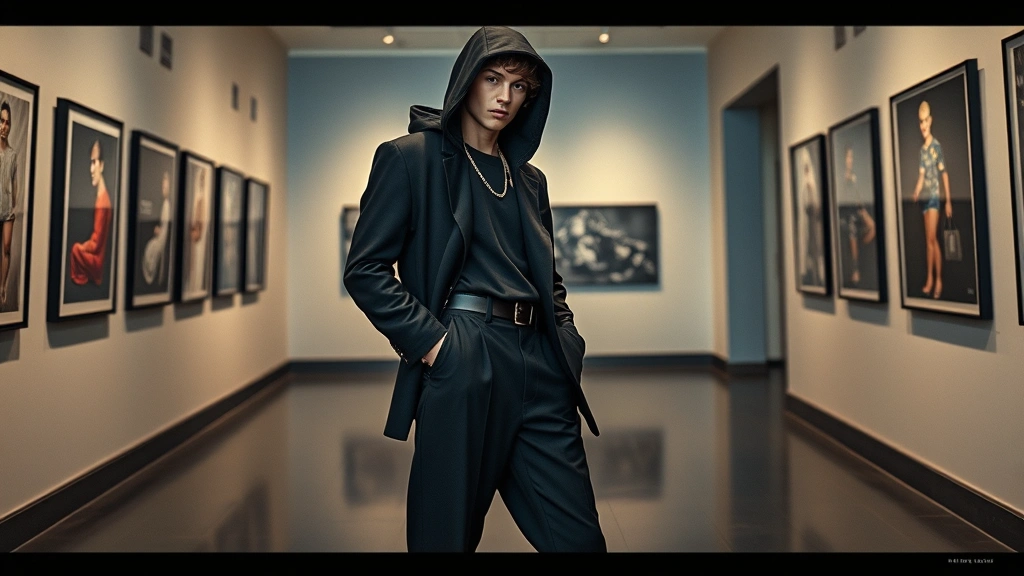
2013 marked a pivotal moment when streetwear transitioned from subcultural phenomenon to mainstream fashion influence. Luxury designers increasingly incorporated streetwear elements—hoodies, sneakers, athletic-inspired silhouettes—into high fashion collections, acknowledging that contemporary style drew inspiration from urban culture and youth movements. This integration reflected broader democratization of fashion, where inspiration flowed multidirectionally between street style and runway presentations. Designers recognized that authenticity and cultural relevance mattered increasingly to younger consumers, making streetwear integration essential for maintaining contemporary credibility.
The streetwear movement of 2013 challenged traditional fashion hierarchies that positioned luxury as inherently superior to casual wear. Designers like Kanye West and Virgil Abloh began establishing brands that married luxury sensibilities with streetwear aesthetics, proving that high-end fashion and street culture could coexist productively. This integration influenced how consumers approached personal style, encouraging mixing of casual and formal elements within single outfits. The Style Loom Daily Blog regularly documented these evolving trends, helping audiences understand how streetwear was reshaping fashion narratives.
Sneaker culture particularly benefited from 2013’s streetwear integration into luxury fashion. Athletic brands partnered with luxury designers, creating collaborative collections that attracted both sneaker enthusiasts and high fashion consumers. This crossover demonstrated that fashion’s future involved breaking down categorical boundaries and recognizing that style emerged from diverse sources and communities. The streetwear movement ultimately proved that fashion’s vitality depended on remaining connected to contemporary culture and acknowledging inspiration from unexpected sources.
Designer Collaboration and Creative Expression
2013 witnessed unprecedented designer collaboration, with established fashion houses partnering with emerging talents, artists, and creative visionaries to generate fresh perspectives and innovative designs. These collaborations proved mutually beneficial—emerging designers gained access to luxury production facilities and distribution networks, while established houses accessed contemporary sensibilities and cultural relevance. The collaboration trend reflected fashion’s recognition that innovation required diverse perspectives and that creative energy flowed from unexpected partnerships. These collaborations often produced collections that transcended typical seasonal offerings, becoming cultural moments worthy of media attention and consumer excitement.
The collaborative spirit of 2013 extended beyond traditional designer partnerships to include artists, musicians, and cultural figures who brought external perspectives into fashion design processes. These collaborations often resulted in limited-edition collections that became immediately collectible, establishing new frameworks for fashion production and distribution. The trend demonstrated that fashion’s future involved breaking down professional boundaries and recognizing that creativity existed across diverse disciplines. Consumers increasingly valued the stories behind collaborative collections, appreciating how diverse creative perspectives combined to produce innovative designs.
Designer collaboration in 2013 also reflected fashion’s increasing recognition of youth culture and emerging talent. Established designers mentored younger creatives, creating apprenticeship models that ensured fashion traditions survived while remaining contemporary. These partnerships often produced the most exciting and innovative collections of the year, demonstrating that fashion’s vitality depended on intergenerational dialogue and knowledge transfer. The collaborative approach established precedents that would influence fashion education and professional development for years to come.
FAQ
What were the most iconic 2013 fashion trends?
The most iconic 2013 trends included minimalist sophistication, bold maximalist design, structural innovation, sustainable fashion practices, and streetwear integration into luxury collections. These trends collectively represented a moment when fashion embraced diverse aesthetic approaches while maintaining commitment to quality craftsmanship and cultural relevance. The year demonstrated that fashion could simultaneously celebrate restraint and exuberance, proving that multiple aesthetic philosophies could coexist productively.
How did 2013 fashion influence contemporary style?
2013 fashion established foundational principles that continue influencing contemporary design. The emphasis on quality over quantity, sustainable production practices, and diverse aesthetic approaches created frameworks that designers still reference. The year’s exploration of streetwear integration, vintage reinterpretation, and structural innovation established that fashion’s future involved breaking traditional boundaries and acknowledging inspiration from diverse cultural sources. Understanding 2013 trends provides insight into how modern fashion evolved from this pivotal year.
Which designers were most influential in 2013?
Key influential designers included Alexander McCartney, Stella McCartney, Marc Jacobs, Christopher Kane, Jil Sander, and emerging talents who challenged conventional design approaches. These designers collectively demonstrated that fashion’s vitality depended on maintaining diverse creative perspectives and willingness to take risks. Their work established precedents that influenced how subsequent generations approached design innovation and cultural expression through fashion.
How did sustainability influence 2013 fashion design?
Sustainability became increasingly central to 2013 fashion discourse, with designers committing to ethical production, transparent supply chains, and environmental responsibility. This movement reflected evolving consumer consciousness and demonstrated that sustainability and luxury could align productively. The trend established frameworks for ethical fashion production that continue influencing industry standards, proving that environmental and labor considerations enhance rather than compromise design innovation.
Why did vintage influence dominate 2013 fashion?
Vintage references reflected fashion’s cyclical nature and designers’ desire to honor craftsmanship and historical significance. The 90s particularly influenced 2013 collections, with designers reinterpreting minimalist aesthetics and grunge sensibilities through contemporary lenses. Vintage influence allowed designers to celebrate fashion heritage while creating modern relevance, demonstrating that historical reference and contemporary innovation could coexist productively within single collections.
How did streetwear change luxury fashion in 2013?
Streetwear integration challenged traditional fashion hierarchies by proving that casual aesthetics could achieve luxury status. Designers incorporated hoodies, sneakers, and athletic-inspired silhouettes into high fashion collections, acknowledging that contemporary style drew inspiration from urban culture. This integration democratized fashion and established that authenticity and cultural relevance mattered increasingly to consumers, particularly younger audiences seeking meaningful connections between personal style and broader cultural movements.