Reviving 2000s Fashion: Men’s Guide by Experts
The 2000s represent one of the most distinctive and daring decades in men’s fashion history. From oversized silhouettes to bold graphics and experimental styling, this era shaped how men approach personal style today. Whether you’re nostalgic for the Y2K aesthetic or discovering it for the first time, understanding the nuances of 2000s men’s fashion allows you to curate a wardrobe that feels both retro-inspired and contemporary. Experts across the fashion industry are witnessing a resurgence of early 2000s elements, proving that great style truly is cyclical.
This comprehensive guide explores the key pieces, styling techniques, and cultural influences that defined men’s fashion during this transformative decade. We’ll break down how to authentically incorporate 2000s elements into your modern wardrobe without appearing costume-like or dated. Whether you’re interested in the streetwear movement, hip-hop influenced aesthetics, or the preppy revival of that era, you’ll find expert insights and actionable styling advice throughout this guide.
Iconic Silhouettes and Fits
The 2000s introduced radical departures from the tailored silhouettes of previous decades. Men’s fashion during this period embraced both extremes: incredibly baggy and oversized cuts alongside surprisingly fitted and slim designs, often within the same outfit. Understanding these foundational silhouettes is essential for anyone looking to authentically find their personal style with 2000s influences.
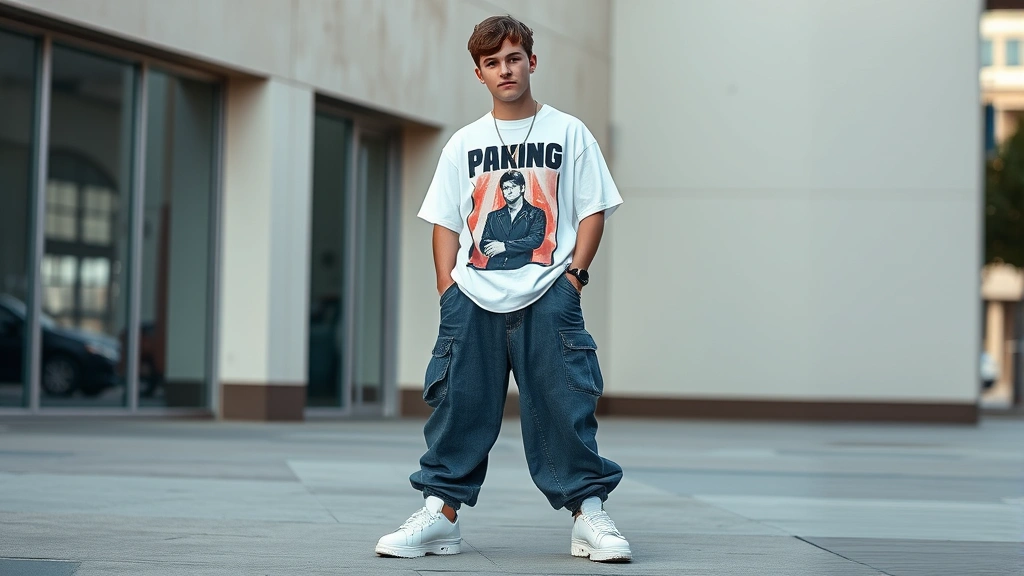
Baggy jeans were undoubtedly the most iconic silhouette of the era. These weren’t just loose—they were intentionally oversized, often sitting well below the waist with substantial fabric pooling around the ankles. Brands like JNCO, Fubu, and later Ecko created jeans with exaggerated proportions that became status symbols in hip-hop culture. The waistband often measured several inches larger than the wearer’s actual size, creating a distinctive silhouette that dominated from roughly 2000 to 2005.
Conversely, the mid-to-late 2000s saw the emergence of skinny jeans and slim-fit everything. Inspired by British mod culture and indie rock aesthetics, this trend represented a complete 180-degree turn from the baggy era. Bands and fashion-forward celebrities began sporting incredibly tight denim, which gradually became mainstream by 2008-2009. This oscillation between extremes exemplifies the experimental nature of 2000s men’s fashion.
Cargo pants and cargo shorts represented another defining silhouette. With multiple oversized pockets, reinforced stitching, and a distinctly utilitarian aesthetic, cargo wear became a staple across various subcultures. Whether worn by skateboarders, gamers, or casual fashion enthusiasts, cargo pants offered both functionality and that unmistakable 2000s vibe. The key to this silhouette was the volume—pockets needed to be substantial and visible, and the overall fit required generous room through the thigh and leg.
Track pants and athletic wear also dominated casual wear during this decade. Adidas, Nike, and Puma released increasingly stylized versions of classic track suits, which transitioned from pure sportswear to legitimate streetwear. The contrast stripe down the leg became iconic, and wearing matching track jackets and pants was considered peak fashion in many circles.
Key Pieces Every Man Should Know
Building a 2000s-inspired wardrobe requires understanding the essential pieces that defined the era. Rather than collecting everything from that decade, experts recommend selectively incorporating key items that align with your personal aesthetic and lifestyle. Explore different types of fashion styles to determine which 2000s elements resonate most with you.
Oversized Band T-Shirts: Graphic tees with band logos, movie references, or bold designs were fundamental to 2000s style. The key difference from modern band tees is the fit—2000s versions were significantly larger, often extending well past the hips. Vintage band merchandise from bands like The Strokes, Green Day, and The White Stripes became highly sought-after pieces that conveyed cultural knowledge and music taste.
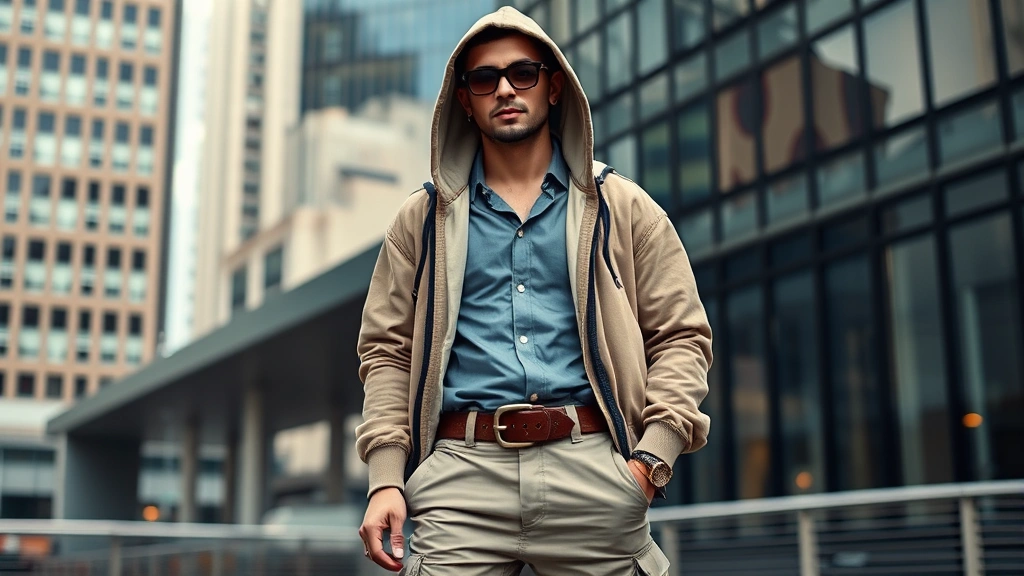
Hoodies and Zip-Up Sweatshirts: These weren’t simple basics in the 2000s. Hoodies came in bold colors, featured large graphics or embroidered logos, and often included unexpected details like contrasting drawstrings or unusual pocket placements. Brands like Bape, Supreme, and Stüssy elevated the humble hoodie to statement piece status. The oversized fit was standard, creating that relaxed, effortless appearance that defined casual 2000s style.
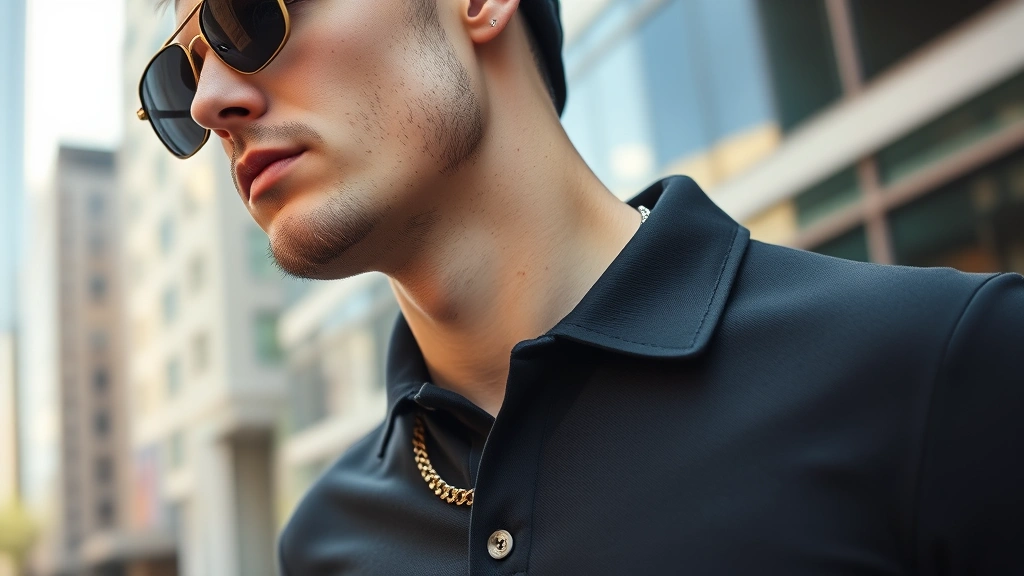
Popped Collar Polos: The preppy revival of the 2000s brought the popped collar polo to mainstream acceptance. Ralph Lauren and Tommy Hilfiger polos became status symbols, often worn in coordinated outfits with specific color combinations. The deliberately popped collar wasn’t accidental—it was an intentional style choice that communicated awareness of fashion trends and social positioning.
Windbreakers and Shell Jackets: Lightweight, often brightly colored windbreakers became essential layering pieces. These jackets featured nylon construction, minimal insulation, and distinctive color blocking. They were perfect for the skate and streetwear scenes, providing protection from elements without adding bulk. The noisier and more eye-catching the material, the better—reflective elements were especially prized.
Baggy Denim: As mentioned in the silhouette section, baggy jeans deserve their own discussion as key pieces. Investing in quality vintage or reproduction baggy denim is crucial for anyone serious about 2000s styling. Look for authentic brands like Ecko, Pelle Pelle, or vintage Levi’s in oversized cuts rather than modern reproductions that often miss the mark on proportions.
Fitted Button-Ups: While baggy silhouettes dominated casual wear, fitted button-up shirts represented the dressier end of 2000s men’s fashion. These often featured bold patterns, unusual colors, or interesting collar shapes. Wearing a fitted shirt under an oversized tee or hoodie created interesting visual contrast that was distinctly 2000s.
” alt=”Man wearing vintage 2000s fashion including oversized band tee, cargo shorts, and chunky sneakers in urban setting” style=”width: 100%; height: auto; border-radius: 8px;”>
Colors and Patterns That Defined the Era
The 2000s approached color with either maximalist enthusiasm or minimalist restraint—rarely settling for middle ground. Understanding the color palette of this era is essential for creating cohesive 2000s-inspired outfits that feel authentic rather than costume-like.
Neon and bright colors dominated early 2000s fashion. Lime green, hot pink, electric blue, and shocking orange appeared across all garment types. These weren’t subtle accent colors—they were bold statements. Neon was applied to hoodies, cargo pants, sneakers, and accessories, often in combination with other bright hues. This reflected the optimistic, tech-forward mindset of the early millennium.
Metallics and holographic materials represented another color trend unique to this decade. Silver, gold, and chrome-like finishes appeared on jackets, shirts, and accessories. These materials caught light dramatically and conveyed a futuristic sensibility. The more reflective and eye-catching the material, the more it aligned with 2000s aesthetics.
Neutral tones like black, gray, and white served as grounding colors in 2000s outfits. However, even these basics were approached with personality. Black clothing often featured large graphic prints or embroidered designs. Monochromatic outfits in a single color were considered sophisticated and fashion-forward, particularly in the mid-to-late 2000s.
Patterns were equally distinctive. Plaid and checkered designs appeared on shirts, pants, and even shoes. Camouflage patterns, though historically military-inspired, became purely aesthetic choices in 2000s fashion. Animal prints, particularly leopard and zebra, crossed from traditionally feminine applications to mainstream men’s fashion. Large, bold graphic prints dominated t-shirts and hoodies, often featuring distressed or puffed printing techniques that created textured surfaces.
Color blocking—combining contrasting colors in distinct sections—became increasingly popular as the decade progressed. This technique appeared in jackets, track suits, and even jeans, creating visual interest through strategic color placement rather than patterns or prints.
Accessories and Details
Accessories were never afterthoughts in 2000s men’s fashion. Instead, they were carefully curated elements that often made or broke an outfit. The right accessories conveyed knowledge of current trends, cultural awareness, and personal style sophistication.
Chunky Sneakers: Oversized athletic shoes with exaggerated soles dominated footwear. Brands like Phat Farm, Timberland boots, and early Crocs represented different segments of 2000s sneaker culture. These weren’t sleek or minimalist—they were intentionally bulky, with prominent branding and distinctive design elements. The chunkier the sole and the more visible the branding, the more authentically 2000s the shoe felt.
Chains and Pendants: Gold and silver chains worn over clothing or visible beneath unbuttoned shirts became essential accessories. These ranged from delicate chains to substantial statement pieces. Pendant necklaces, often featuring religious symbols, brand logos, or custom designs, added personality to outfits. Layering multiple chains created visual interest and demonstrated fashion awareness.
Sunglasses: 2000s sunglasses were bold and often oversized. Wraparound styles, rectangular frames, and tinted lenses in unusual colors dominated. Wearing sunglasses indoors or at night wasn’t considered impractical—it was a style statement. The more distinctive and eye-catching the frames, the better they aligned with 2000s sensibilities.
Belts and Buckles: Large, decorative belt buckles became prominent accessories. Whether featuring brand logos, decorative patterns, or unusual shapes, buckles weren’t subtle. Wearing a visibly large buckle demonstrated fashion confidence and awareness of trends. Chains as belts also emerged as an edgy alternative to traditional options.
Hats and Headwear: Trucker hats, fitted baseball caps, and oversized snapbacks represented different segments of 2000s hat culture. Visors worn at unusual angles, bucket hats, and even cowboy hats appeared in certain subcultures. Headwear wasn’t just functional—it was a crucial styling element that completed outfits.
Arm Warmers and Wristbands: Inspired by 1980s aerobics culture but reinterpreted through a 2000s lens, arm warmers and athletic wristbands became surprisingly popular. These were often worn with otherwise dressy outfits, creating intentional style juxtaposition that characterized much of 2000s fashion.
Modern Styling Techniques
The challenge of incorporating 2000s fashion today involves balancing nostalgia with contemporary sensibilities. Fashion experts recommend strategic integration rather than complete head-to-toe recreation of period outfits. Understanding fashion history timeline helps contextualize 2000s trends within broader style evolution.
The Hybrid Approach: Combine one distinctly 2000s piece with contemporary basics. Pair oversized cargo shorts with a fitted modern t-shirt and minimalist sneakers. Wear a vintage band tee under a modern tailored blazer. This approach allows you to incorporate 2000s elements without appearing costume-like. The key is ensuring that the overall silhouette and proportions feel intentional rather than accidental.
Selective Exaggeration: Rather than adopting all 2000s proportions simultaneously, focus on exaggerating specific elements. If you’re wearing slim-fit jeans, add an oversized hoodie. If wearing fitted clothing, incorporate one statement accessory that screams 2000s. This creates visual interest while maintaining overall wearability and contemporary relevance.
Color Coordination: Modern styling of 2000s pieces requires more intentional color coordination than the original era allowed. Rather than combining multiple bright colors chaotically, use a limited palette with one or two statement colors. This creates sophisticated restraint while maintaining the boldness that characterized 2000s fashion.
Layering Strategy: 2000s fashion excelled at layering. Build outfits by combining multiple pieces in unexpected ways. A fitted button-up under a baggy t-shirt, topped with a windbreaker, creates visual complexity and depth. Modern layering differs from 2000s approaches by being more intentional about proportion and silhouette rather than simply piling on garments.
Proportion Play: Create intentional contrast between fitted and loose pieces. Tight pants with an oversized shirt, or slim-fit jacket over baggy jeans, creates visual tension that feels contemporary rather than dated. The key is ensuring that contrasts feel deliberate rather than accidental or poorly coordinated.
Quality Over Quantity: Rather than collecting numerous 2000s pieces, invest in quality items that authentically represent the era. Vintage pieces from original 2000s brands carry more credibility than modern reproductions, though well-executed contemporary takes on 2000s styles can work if they capture the spirit rather than simply copying silhouettes.
” alt=”Fashion-forward man styled with vintage 2000s elements including fitted polo shirt, designer sunglasses, and statement chain necklace in modern urban context” style=”width: 100%; height: auto; border-radius: 8px;”>
Celebrity Influence and Inspiration
Celebrity culture profoundly shaped 2000s men’s fashion, with specific icons establishing trends that filtered down to mainstream audiences. Understanding these influences helps contextualize why certain pieces became essential during this era.
Hip-Hop Culture: Artists like Eminem, 50 Cent, and Nelly established the template for much of 2000s men’s fashion. Oversized clothing, visible branding, and bold accessories became associated with hip-hop style. The cultural weight of hip-hop fashion meant that adopting these elements was a statement of cultural awareness and musical taste. Visit Vogue for contemporary perspectives on how hip-hop continues influencing modern fashion.
Pop-Punk and Emo Scenes: Bands like Green Day, Blink-182, and My Chemical Romance influenced a different segment of 2000s men’s fashion. Skinny jeans, fitted shirts, and band merchandise became associated with this subculture. The visual aesthetic of pop-punk and emo provided an alternative to hip-hop influences, creating distinct style tribes within 2000s youth culture.
Skateboard Culture: Skateboarders and brands like Element, Vans, and DC Shoes created a distinct aesthetic emphasizing functionality and casual coolness. Oversized graphic tees, loose-fitting jeans, and utilitarian footwear defined skate style. This influence extended beyond actual skateboarders to anyone interested in casual, rebellious aesthetics.
Athletic and Sportswear Influence: Professional athletes and basketball culture influenced how men approached sportswear styling. Oversized jerseys, track suits, and athletic shoes became legitimate fashion choices rather than purely functional garments. The adoption of sportswear as casual fashion represented a significant shift in how men approached personal style.
Explore The Guardian Fashion section for contemporary analysis of how celebrity influence shapes modern trends, drawing parallels to 2000s influences.
FAQ
How can I incorporate 2000s fashion without looking like I’m wearing a costume?
The key is selective integration rather than complete period recreation. Choose one or two distinctly 2000s pieces and pair them with contemporary basics. Focus on capturing the spirit of the era—boldness, personality, and intentional style choices—rather than literally recreating outfits from 2005. Quality matters tremendously; vintage or well-made contemporary pieces convey authenticity far better than cheap reproductions.
What’s the difference between authentic 2000s fashion and modern reproductions?
Authentic 2000s pieces feature specific construction details, fabric qualities, and proportions that are difficult to replicate. Vintage brand pieces like original Ecko jeans or authentic Bape hoodies carry cultural weight and historical authenticity. Modern reproductions sometimes miss subtle details that made original pieces distinctive. However, contemporary designers who understand 2000s aesthetics can create pieces that capture the spirit effectively, even if they’re not vintage.
Can I mix 2000s fashion with other style aesthetics?
Absolutely. The most contemporary approach involves hybrid styling that combines 2000s elements with other aesthetic movements. Pair 2000s pieces with minimalist contemporary fashion, streetwear, or even business casual elements. This creates interesting visual tension and demonstrates sophisticated style awareness. The key is ensuring that combinations feel intentional rather than confused or poorly coordinated.
Where should I shop for authentic 2000s pieces?
Vintage retailers, online platforms specializing in vintage fashion, and thrift stores offer authentic 2000s pieces. Brands like Grailed, Vestiaire Collective, and local vintage shops carry original 2000s items. For contemporary takes on 2000s aesthetics, fashion-forward brands increasingly offer pieces inspired by this era. When shopping, prioritize quality, fit, and authenticity over quantity.
How do I style 2000s pieces for professional or formal settings?
This requires careful curation and substantial restraint. A fitted 2000s-inspired button-up under a contemporary blazer works in business casual environments. A subtle nod to 2000s aesthetics—perhaps through accessories like a statement chain worn under a dress shirt—maintains professionalism while expressing personal style. The key is ensuring that 2000s elements feel sophisticated rather than juvenile or overly casual.
What’s the relationship between 2000s fashion and contemporary trends?
Current fashion increasingly references 2000s aesthetics, suggesting that this era’s innovations are being recognized as genuinely valuable rather than simply dated. Oversized silhouettes, bold graphics, and visible branding—all 2000s hallmarks—appear regularly on contemporary runways. Understanding 90s fashion and how it evolved into 2000s styles helps contextualize current trend cycles and recognize emerging patterns in fashion evolution.
For deeper historical context, explore Vogue’s coverage of iconic 2000s fashion moments, which documents how this era shaped contemporary style.
Are there specific body types or ages that 2000s fashion suits best?
2000s fashion’s diversity means something exists for virtually every body type and age group. The key is selecting pieces and proportions that align with your personal silhouette and style preferences. Younger individuals might embrace more experimental combinations, while older men might prefer subtle nods to the era integrated into otherwise contemporary wardrobes. The beauty of 2000s fashion revival is its inclusivity and adaptability to diverse personal styles.
Check StyleLoom Daily Blog for more contemporary style guides and fashion advice relevant to incorporating vintage aesthetics into modern wardrobes. Additionally, explore Business of Fashion for industry perspectives on trend cycles and how historical fashion influences current markets.
The revival of 2000s men’s fashion represents more than nostalgic indulgence—it reflects genuine recognition of this era’s innovative approach to personal style. By understanding the key pieces, silhouettes, and cultural influences that defined 2000s fashion, you can authentically incorporate elements into your contemporary wardrobe. Whether you’re drawn to hip-hop influences, skate culture aesthetics, or pop-punk vibes, this decade offers diverse inspiration for creating distinctive, personality-driven style. The most successful modern approach involves strategic selection, quality investment, and intentional styling that honors 2000s boldness while maintaining contemporary relevance.