Reviving 1980s Men’s Fashion: Expert Insights
The 1980s remain one of the most audacious and transformative decades in fashion history, particularly for men’s style. This era championed bold colors, exaggerated silhouettes, and unapologetic self-expression that continues to influence contemporary menswear today. From power suits with shoulder pads that commanded boardrooms to casual streetwear that pushed boundaries, 1980s mens fashion represented a cultural revolution where fashion became a statement of individuality and ambition. The decade’s aesthetic has experienced a remarkable resurgence in recent years, with modern designers and fashion enthusiasts mining this era for inspiration and authenticity.
What makes the 1980s particularly fascinating is how the decade’s fashion reflected broader cultural shifts—the rise of MTV, the emergence of hip-hop culture, the yuppie movement, and the digital revolution all left indelible marks on men’s clothing. The era rejected the minimalism of the previous decade and embraced maximalism with open arms. Whether you’re looking to incorporate retro elements into your wardrobe or understand the historical context of modern fashion trends, exploring 1980s men’s fashion offers valuable insights into how style evolves and cycles through culture. This comprehensive guide provides expert perspectives on reviving this iconic era while maintaining contemporary relevance.
The Power Suit Revolution
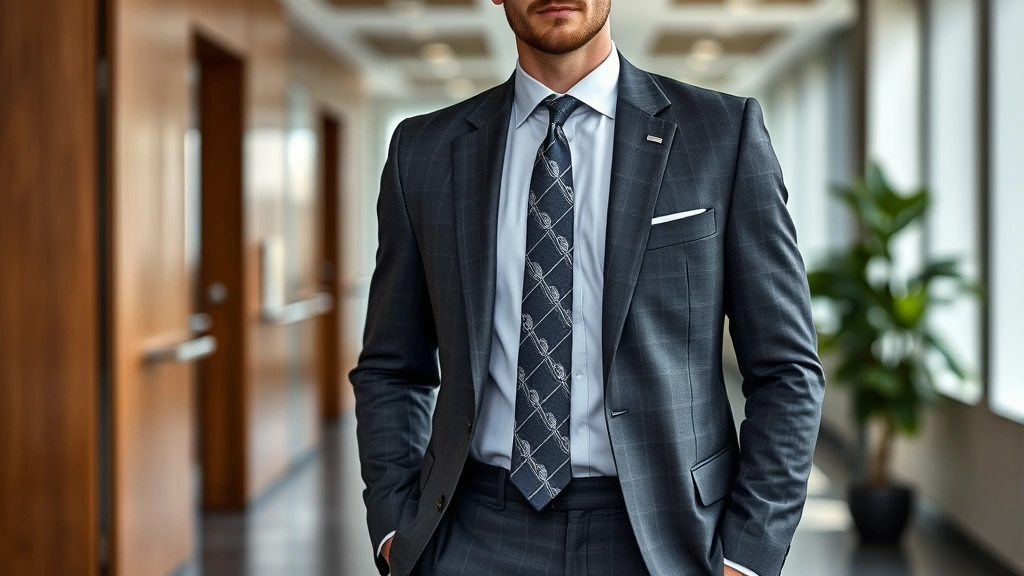
The power suit epitomized 1980s men’s fashion and became synonymous with success, ambition, and corporate dominance. These weren’t ordinary suits—they featured dramatically exaggerated shoulder pads that created an imposing silhouette, conveying authority and presence in any professional environment. The shoulders extended well beyond the natural shoulder line, often by several inches, creating a distinctive triangular shape that became instantly recognizable. Paired with bold ties, often in neon or geometric patterns, and sometimes worn with multiple layers including vests and suspenders, the power suit represented the pinnacle of masculine power dressing.
Expert fashion historians note that the power suit emerged from the broader context of women entering corporate spaces—the sharp, structured silhouette was initially adopted by professional women before influencing men’s fashion. The styling philosophy was simple: bigger, bolder, and more commanding. Double-breasted blazers dominated, often in charcoal gray, navy, or black, though more adventurous professionals experimented with pastels and even patterned fabrics. The fit was intentionally loose and oversized compared to modern tailoring standards, reflecting the decade’s general aesthetic preference for volume and presence. Understanding the complete fashion history timeline helps contextualize why this particular silhouette became so dominant during this specific era.
Contemporary designers have reinterpreted the power suit for modern sensibilities, often maintaining the exaggerated shoulders while refining the overall fit. The resurgence of this silhouette in recent seasons demonstrates how timeless the core concept remains. Fashion experts from Vogue have highlighted how contemporary brands are successfully reviving power dressing while making it wearable for today’s more relaxed professional environments. The key to wearing a modern interpretation of the 1980s power suit is balancing the bold shoulders with more contemporary proportions in the body and length.
Casual Streetwear and Athletic Wear
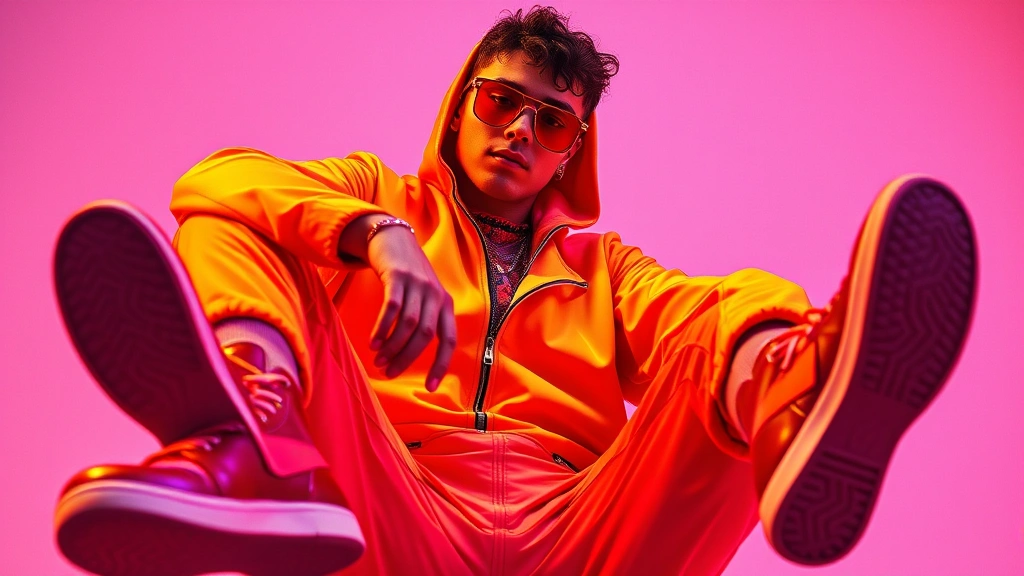
Beyond boardrooms, 1980s mens fashion revolutionized casual dressing through the explosion of athletic wear and streetwear culture. This wasn’t simply gym clothing—it was a lifestyle statement that reflected the decade’s obsession with fitness, health consciousness, and conspicuous consumption. Tracksuits in neon colors and metallic finishes became everyday wear, not just athletic gear. Brands like Adidas, Puma, and emerging athletic companies transformed sportswear into fashion statements, with visible logos becoming status symbols. Leg warmers, headbands, and athletic shoes designed for performance became fashion accessories worn in entirely non-athletic contexts.
The rise of hip-hop culture significantly influenced casual 1980s mens fashion, introducing oversized silhouettes, athletic wear, and bold accessories into mainstream streetwear. Baggy jeans, oversized t-shirts with graphic prints, and high-top sneakers became iconic elements of the era’s casual aesthetic. This represented a democratization of fashion—expensive designer pieces were mixed with accessible sportswear, and personal style expression trumped traditional fashion hierarchies. Brands began collaborating with musicians and cultural influencers, creating a feedback loop between entertainment and fashion that continues today.
Windbreakers and shell jackets in bright colors and metallic finishes were ubiquitous, often featuring bold color blocking and geometric patterns. These practical pieces became style statements, with individuals collecting multiple versions in different color combinations. Denim received the 1980s treatment as well—acid wash finishes, stone washing, and distressing became popular techniques that gave denim a distinctive worn-in appearance. The casual wear of the era emphasized comfort and self-expression while rejecting the formality that had characterized previous decades’ everyday clothing.
When finding your personal style, understanding how different decades approached casual wear provides valuable perspective on mixing comfort with fashion-forward thinking. The 1980s approach of combining athletic wear with everyday fashion remains relevant today, as contemporary streetwear culture continues to blur the lines between performance wear and street fashion.
Color Palettes and Bold Patterns
If the 1970s were defined by earth tones and the 1990s by minimalism, the 1980s exploded in a symphony of bold, often clashing colors. Neon became the color of the decade—electric pink, lime green, cobalt blue, and hot orange appeared on everything from suits to casual wear. These weren’t subtle accents but dominant color choices that demanded attention. The color psychology behind this aesthetic reflected the era’s optimism, energy, and rejection of restraint. Fashion experts attribute this shift partly to technological advances in dye production, which made achieving these vibrant hues more accessible and affordable than ever before.
Pastel colors represented another significant trend, offering a softer alternative to neon but maintaining the decade’s commitment to visibility. Miami Vice, the iconic television series, popularized pastel suits in pink, teal, and lavender, influencing menswear across all social strata. These colors were often combined in unexpected ways—a pastel pink shirt with a neon green tie, for instance—creating intentional visual tension that became aesthetically desirable rather than considered poor taste.
Patterns were equally bold, featuring geometric designs, abstract prints, and loud florals that would be considered clashing by traditional fashion standards. Color blocking—the deliberate juxtaposition of contrasting solid colors—became a design principle across all garment types. Stripes, chevrons, and Memphis design-inspired irregular shapes dominated print fabrics. The guiding principle seemed to be that more visual stimulation equaled better style. This approach to color and pattern represented a complete departure from previous decades’ conservative palettes and continues to inspire contemporary designers seeking to make bold visual statements.
Modern interpretations of 1980s mens fashion often tone down the neon intensity while maintaining the color-forward philosophy. Fashion professionals recommend selecting one bold color as a statement piece while balancing it with more neutral tones to create contemporary-looking outfits with retro inspiration. The StyleLoom Daily Blog regularly explores how to incorporate bold colors into modern wardrobes without appearing costume-like.
” alt=”1980s inspired fashion”>
Accessories and Details
Accessories in 1980s mens fashion were not afterthoughts but integral components of the overall aesthetic. Jewelry became increasingly prominent, with men wearing multiple chains, rings, and bracelets as status symbols and style statements. Gold chains of varying thicknesses, often worn in multiples, became iconic 80s accessories. Watches were oversized and often featured bold colors or metallic finishes. Rings, particularly statement rings with large stones or geometric designs, were worn on multiple fingers simultaneously. This represented a significant shift in masculine fashion norms, as previous decades had generally restricted men to minimal jewelry.
Belts served both practical and aesthetic functions, often featuring large, ornate buckles in gold or silver. Designer logos became increasingly visible and desirable, with belt buckles often showcasing brand names prominently. Sunglasses evolved into fashion statements rather than purely functional items, with oversized frames, colored lenses, and distinctive styles becoming essential accessories. The wraparound sunglasses popularized by athletes and celebrities became ubiquitous street style staples.
Hats experienced a resurgence in 1980s mens fashion, with baseball caps, trucker hats, and fedoras all appearing in various contexts. Caps often featured embroidered logos or bold graphic designs. Scarves, when worn, were typically oversized and brightly colored. Socks became visible style statements rather than invisible basics, with patterns, bright colors, and intentional clashing with other garments becoming the norm. Shoes ranged from high-top sneakers with multiple color combinations to leather dress shoes with distinctive designs and metallic accents.
The philosophy behind 1980s accessory styling was maximalism—more was better, and every accessory opportunity was an occasion for style expression. Contemporary styling that draws inspiration from this era typically scales back the quantity while maintaining the boldness and intentionality of accessory choices. Fashion designers featured in Business of Fashion frequently discuss how the 1980s approach to accessories continues to influence modern luxury and streetwear brands.
Subcultures and Style Movements
The 1980s wasn’t a monolithic fashion moment but rather a decade of distinct subcultures, each with its own aesthetic approach. The New Romantic movement, originating in Britain, embraced androgyny, theatrical styling, and romantic influences, with men wearing makeup, ruffles, and elaborate costumes that challenged traditional gender norms in fashion. This movement represented a radical reimagining of masculinity through style. Meanwhile, the thriving hip-hop scene developed its own distinctive aesthetic that prioritized oversized silhouettes, bold logos, and athletic wear as status symbols and cultural markers.
Punk and post-punk aesthetics continued from the 1970s but evolved significantly during the 1980s, with bands and their followers adopting increasingly theatrical and provocative styling choices. Leather jackets, often adorned with studs and pins, remained central to punk identity. The goth subculture emerged and flourished during the 1980s, introducing dark colors, dramatic silhouettes, and romantic-gothic influences into mainstream consciousness. These subcultures coexisted with the mainstream corporate aesthetic, creating a rich tapestry of competing and complementary style philosophies.
The preppy aesthetic also evolved during the 1980s, maintaining its emphasis on heritage brands and classic styling while incorporating some of the decade’s bolder color choices. Polo shirts, khakis, and boat shoes remained preppy staples, but they appeared in unexpected color combinations and were often worn with more theatrical accessories than traditional prep style would suggest. Understanding these distinct subcultures within 1980s mens fashion provides insight into how fashion operates as a form of identity and community expression. When exploring the 90s fashion trends that followed, you’ll see how many of these subcultures evolved or disappeared, influencing the subsequent decade’s aesthetic.
Modern fashion continues to reference these various 1980s subcultures, with designers drawing inspiration from punk aesthetics, new romantic theatricality, and hip-hop streetwear. The key to successfully reviving these styles is understanding their original cultural context and intentionality rather than simply copying surface-level elements.
Modern Styling Tips for 80s Inspiration
Incorporating 1980s mens fashion into contemporary wardrobing requires a nuanced approach that respects the original aesthetic while adapting it for modern sensibilities. The first principle is intentionality—select specific elements that resonate with your personal style rather than adopting the entire aesthetic wholesale. A single oversized blazer with exaggerated shoulders can anchor a contemporary outfit when paired with modern jeans and current-season sneakers. This creates visual interest and personality without appearing costume-like or dated.
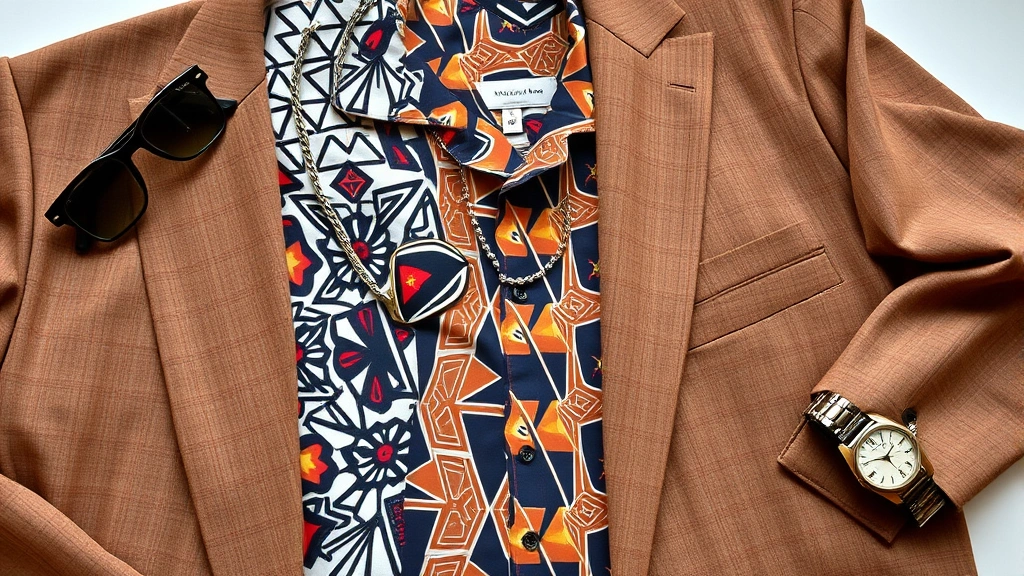
Color serves as an accessible entry point for 1980s inspiration. Rather than adopting full neon outfits, consider introducing a single bold-colored piece—perhaps a statement jacket or graphic t-shirt—and balance it with contemporary neutral pieces. This approach maintains the decade’s color-forward philosophy while keeping the overall look wearable and modern. Patterns can similarly be introduced strategically, with a patterned shirt worn under a solid blazer or paired with solid pants creating visual interest without overwhelming the silhouette.
Accessories offer another avenue for 1980s-inspired styling. A single statement chain or oversized watch can evoke the era without requiring a complete accessory overhaul. Bold sunglasses or a vintage-inspired belt buckle can add personality to otherwise contemporary outfits. The key is balancing retro elements with modern pieces to create a cohesive, intentional look rather than a costume.
Silhouette plays a crucial role in successful 1980s-inspired styling. While completely adopting oversized, shoulder-padded silhouettes may not suit modern aesthetics, strategic oversizing can work effectively. A slightly oversized blazer, for instance, maintains contemporary relevance while evoking the era. Cropped pants, another 1980s element, have experienced a resurgence in contemporary menswear and can be styled with vintage-inspired shoes for an intentionally retro look.
When exploring fashion design schools and professional fashion education, students often study the 1980s as a crucial case study in how cultural forces shape aesthetic preferences. This era demonstrates how economic optimism, technological advancement, and cultural movements create distinctive style moments. Understanding these connections helps contemporary stylists and designers create more intentional and meaningful work.
Layering represents a particularly effective technique for incorporating 1980s elements into modern outfits. The era embraced visible layering—t-shirts worn under oversized shirts, vests over shirts, multiple necklaces—creating dimensional and visually interesting silhouettes. Contemporary layering can adopt this philosophy while maintaining modern proportions, creating depth and personality in outfits. Experimenting with unexpected color combinations, a hallmark of 1980s styling, can make contemporary outfits feel fresher and more interesting than traditional matching color schemes.
Fashion professionals increasingly recognize that successful retro styling requires understanding the original era’s context and ethos rather than simply copying specific pieces. The 1980s represented a moment of bold self-expression, optimism, and rejection of conservative constraints. Modern styling inspired by this era should capture that spirit of intentional, unapologetic self-expression rather than merely recreating surface-level aesthetics. This approach ensures that 1980s-inspired pieces feel contemporary and personal rather than nostalgic or costume-like.
” alt=”1980s menswear styling guide”>
FAQ
How can I wear 1980s fashion without looking like I’m wearing a costume?
The key is strategic incorporation rather than complete adoption. Mix one or two 1980s-inspired pieces with contemporary items, maintain modern proportions where possible, and focus on the era’s philosophy of intentional self-expression rather than copying specific looks. Quality matters—invest in well-made pieces rather than cheap costume-like reproductions.
Are power suits coming back in style?
Yes, power suits have experienced a significant resurgence in contemporary fashion. Modern versions typically maintain the exaggerated shoulder element while refining the overall fit and proportions for contemporary aesthetics. They work particularly well in creative industries and fashion-forward professional environments.
What colors are most wearable from the 1980s palette today?
Pastels and jewel tones are more immediately wearable than full neon, though strategic neon accents can work effectively. Navy, burgundy, teal, and coral are colors that maintain the era’s boldness while feeling contemporary. Consider using bold colors in accessories or smaller garments rather than full outfits.
Can I wear vintage 1980s pieces in modern outfits?
Absolutely. Authentic vintage pieces often have better quality and character than contemporary reproductions. The key is balancing vintage items with modern pieces and ensuring the vintage element feels intentional rather than accidental. A vintage 1980s blazer paired with modern jeans and contemporary sneakers creates an interesting, intentional look.
What’s the difference between 1980s and 1990s men’s fashion?
The 1980s embraced maximalism, bold colors, and exaggerated silhouettes, while the 1990s moved toward minimalism, neutral colors, and streamlined shapes. The contrast between these decades represents a pendulum swing in fashion philosophy, demonstrating how aesthetic preferences evolve cyclically.
Where can I find authentic 1980s menswear pieces today?
Vintage shops, online marketplaces specializing in vintage fashion, and contemporary brands reissuing 1980s-inspired designs all offer options. Thrift stores occasionally contain authentic pieces at accessible prices. Contemporary brands like those featured in GQ Magazine increasingly offer 1980s-inspired collections that combine authenticity with modern sensibilities.
How do fashion historians view 1980s men’s fashion?
Fashion historians generally recognize the 1980s as a transformative decade that challenged previous norms around masculine presentation and self-expression. The era’s willingness to embrace bold aesthetics and reject minimalism represents a significant moment in fashion evolution. Scholars see it as a crucial bridge between 1970s experimentation and 1990s minimalism.