Reviving 1960s Men’s Fashion: Expert Insights
The 1960s represented a seismic shift in men’s fashion, transforming menswear from conservative tailoring into a playground of bold colors, experimental silhouettes, and youthful rebellion. This decade witnessed the birth of the mod movement, the rise of counterculture style, and the emergence of designers who dared to challenge centuries of sartorial tradition. Today, contemporary menswear continues to draw inspiration from this revolutionary era, with vintage pieces and 1960s-influenced designs dominating runways and street style across the globe.
Understanding the nuances of 1960s men’s fashion provides invaluable context for modern style enthusiasts seeking to incorporate vintage elements into their wardrobes. From the tailored suits of early-decade formal wear to the psychedelic prints and relaxed fits that defined the late sixties, this period offers a rich tapestry of inspiration for anyone looking to elevate their personal aesthetic. Whether you’re drawn to the sharp lines of British mod culture or the bohemian ease of American hippie fashion, the 1960s provides endless possibilities for style exploration and creative expression.
The Early 1960s: Tailored Sophistication Meets Youth Culture
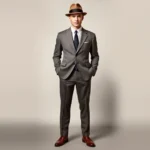
The early 1960s maintained strong connections to the refined traditions of the previous decade while simultaneously embracing the optimism and energy of a new generation. Men’s fashion during this period was characterized by clean lines, impeccable tailoring, and a color palette dominated by navy, charcoal, and classic grays. The silhouette remained relatively fitted and structured, with narrow lapels and trim proportions that emphasized a youthful, elegant aesthetic.
During this transformative era, the foundations laid in previous decades were both honored and challenged. Ivy League style heavily influenced mainstream menswear, introducing preppy elements that would remain influential throughout the decade. Button-down Oxford shirts, chinos, and loafers became staples of everyday dress for young men, representing a departure from the more formal requirements of their fathers’ generation.
The early sixties also saw the emergence of the “peacock revolution” beginning to stir. While still relatively restrained compared to what would come later, designers and manufacturers began experimenting with slightly bolder colors and more adventurous patterns. Narrow ties, often featuring subtle geometric prints or solid jewel tones, replaced the wider neckties of the fifties. This period represents the bridge between traditional menswear formality and the more expressive fashion consciousness that would dominate the latter half of the decade.
Television and cinema played crucial roles in shaping early 1960s menswear aesthetics. Spy films introduced sleek, sophisticated styling that appealed to men seeking a more modern, cosmopolitan look. The influence of actors and cultural icons established new standards for what constituted acceptable and desirable men’s fashion, gradually expanding the boundaries of acceptable self-expression through clothing.
The Mod Movement: Sharp Silhouettes and Bold Statements
Emerging from London in the mid-1960s, the mod movement represented one of the most influential youth subcultures in fashion history. Mod style emphasized sharp tailoring, geometric patterns, and a deliberate rejection of the bohemian aesthetics that characterized other youth movements of the era. Mods favored slim-fitting suits with narrow lapels, often featuring bold checks, houndstooth, or Op-Art patterns that immediately distinguished them from mainstream fashion.
The mod aesthetic embraced color in ways that conservative menswear had rarely permitted. Bright primary colors, electric blues, vibrant oranges, and hot pinks appeared in both suiting and casual wear. Chelsea boots, parkas, and Vespa scooters became cultural symbols of mod identity, with each element carefully curated to project an image of youthful sophistication and deliberate style consciousness. This movement demonstrated that men’s fashion could be playful, experimental, and deeply personal without sacrificing elegance or structure.
Mod tailoring maintained the fundamental rules of proper suiting while subverting them through proportion and proportion alone. Jackets featured shorter lengths and tighter fits than traditional tailoring permitted, while trousers sat higher on the waist with a straighter, more tapered cut. This silhouette required impeccable tailoring and created an unmistakable visual identity that remains instantly recognizable today. The movement proved that menswear could express individuality and rebellion while maintaining formal structure and tailoring excellence.
Understanding contemporary fashion style principles becomes easier when studying the mod movement’s systematic approach to aesthetic cohesion. Every element, from suit construction to shoe selection to accessory choice, worked in concert to create a unified visual statement. This holistic approach to personal style remains highly relevant for modern men seeking to develop distinctive fashion identities.
Late 1960s Evolution: Psychedelia and Counterculture
As the 1960s progressed, particularly following 1965, men’s fashion underwent a dramatic transformation that reflected broader cultural upheaval and generational rebellion. The latter half of the decade saw the emergence of hippie fashion, psychedelic influences, and a fundamental questioning of traditional masculinity expressed through clothing choices. Silhouettes loosened, colors became more experimental, and pattern mixing reached unprecedented levels of boldness.
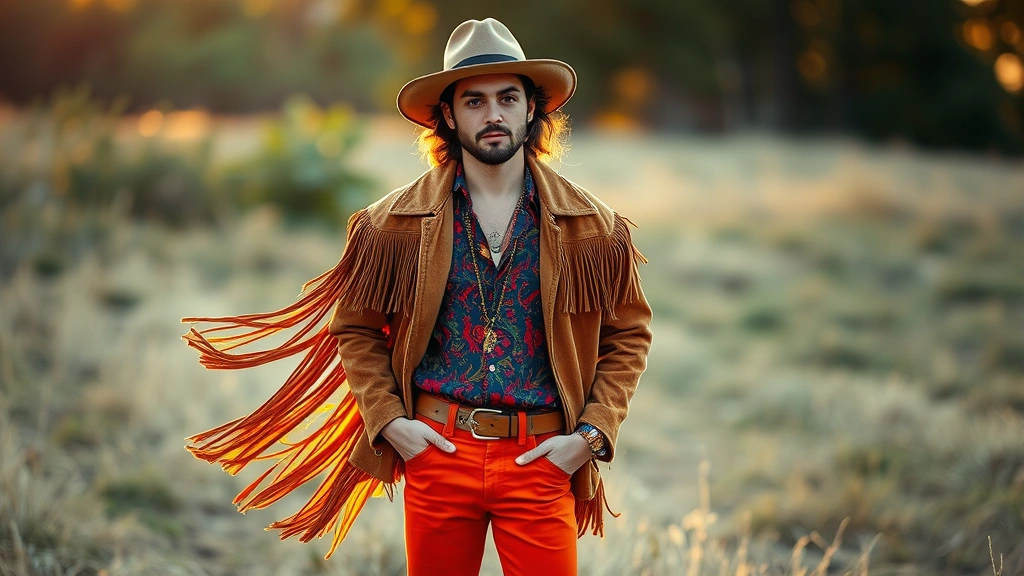
Psychedelic prints featuring swirling patterns, vibrant color combinations, and surreal imagery appeared on shirts, jackets, and even suits. Paisley, a pattern that had existed in menswear for centuries, experienced a revival and reinterpretation through a distinctly modern lens. Flower prints, previously considered exclusively feminine, appeared prominently in men’s fashion, challenging long-held assumptions about gender-coded design elements. This shift represented a fundamental reconsideration of what men’s clothing could express and communicate.
The counterculture movement introduced bohemian elements that directly contradicted the tailored precision of earlier decade styles. Fringe, bell-bottoms, tie-dye, and deliberately worn or distressed fabrics became markers of cultural rebellion and spiritual seeking. Long hair, worn with headbands and fedoras, became inseparable from the fashion aesthetic of this period. Denim, previously working-class attire, gained cultural cachet and became a canvas for artistic expression and political statement.
This evolution reflected deeper changes in how society understood masculinity and self-expression. The late sixties suggested that men could be vulnerable, artistic, and experimental in their fashion choices without compromising their identity or social status. This democratization of style, the permission granted to men to express themselves more freely through clothing, fundamentally altered the trajectory of menswear forever.
Key Pieces That Define the Era
Certain garments became so synonymous with 1960s menswear that they remain instantly recognizable and highly desirable among vintage enthusiasts and contemporary designers. Understanding these foundational pieces provides essential context for anyone seeking to incorporate 1960s influences into modern wardrobes.
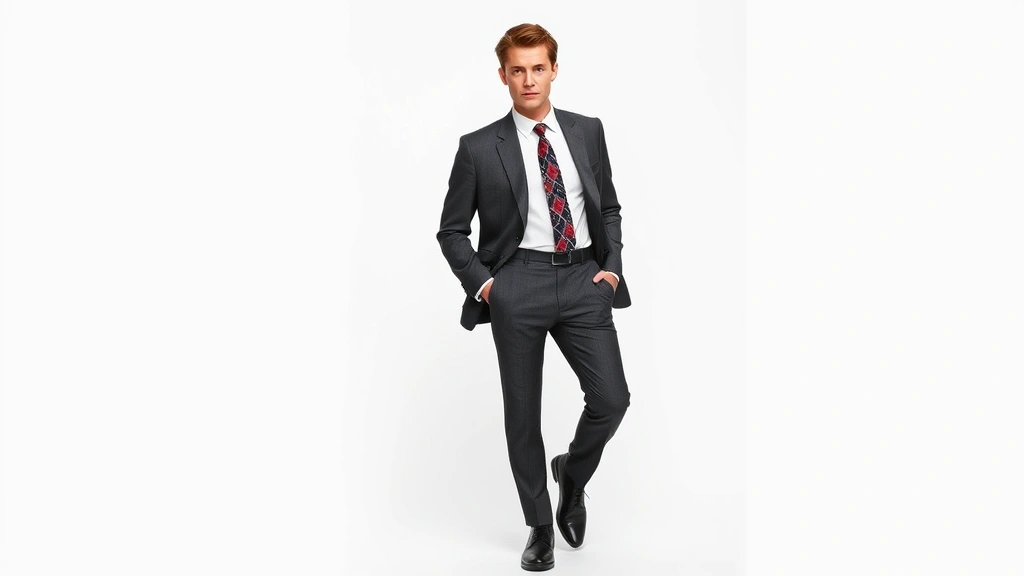
The Slim-Fit Suit: Perhaps the most iconic silhouette of the 1960s, the slim-fit suit featured narrow lapels, shorter jacket lengths, and tapered trousers that created a sleek, youthful profile. These suits often featured bold colors and striking patterns, from subtle checks to eye-catching geometric designs. The slim-fit suit remains deeply influential in contemporary tailoring, with most modern suits reflecting the proportions established during this transformative decade.
Nehru Jackets: Inspired by Indian fashion traditions, Nehru jackets featured a distinctive stand-up collar and a looser, more relaxed silhouette than traditional Western tailoring. These jackets represented menswear’s openness to global influences and non-Western design traditions, introducing an element of cosmopolitan sophistication to everyday wardrobes.
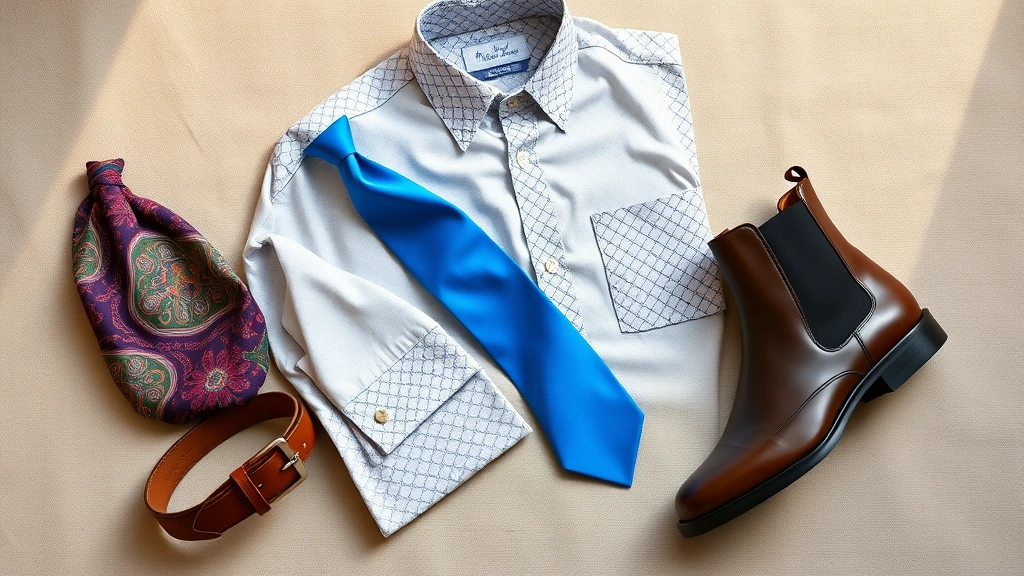
Chelsea Boots: These ankle-height boots with elastic side panels became quintessentially associated with mod culture and 1960s fashion generally. Originally developed in Victorian England, Chelsea boots experienced a major revival during this period and remain perpetually fashionable today. The boot’s sleek profile and practical elegance made it suitable for both formal and casual occasions.
Turtleneck Sweaters: Offering an alternative to traditional collared shirts, turtlenecks provided warmth and a distinctly modern aesthetic. These sweaters often appeared in bold colors and could be worn under jackets for layered sophistication or as standalone statement pieces.
Patterned Dress Shirts: Moving beyond traditional white and pale blue, 1960s dress shirts embraced bold colors and striking patterns. Stripes, checks, and geometric prints allowed men to express personality and style consciousness through their formal wear.
Color Palettes and Patterns of the Decade
The 1960s represented a revolutionary expansion of acceptable color in menswear. Early in the decade, jewel tones—emerald green, sapphire blue, ruby red—began appearing in ties, shirts, and accessories. These colors signaled sophistication and modernity while remaining within the bounds of traditional masculine presentation.
As the decade progressed, color boundaries expanded dramatically. Bright, saturated hues dominated late-sixties fashion, with orange, lime green, hot pink, and electric blue appearing in suits, shirts, and casual wear. This chromatic boldness reflected broader cultural optimism and youth-driven challenges to established conventions.
Pattern mixing, relatively restrained in earlier decades, became increasingly adventurous. Geometric prints, often featuring bold contrasting colors, created visual impact and demonstrated fashion confidence. Paisley, florals, and abstract designs challenged traditional notions of masculine pattern appropriateness. The decade demonstrated that pattern sophistication wasn’t about restraint but about intentional, confident selection and combination.
Neutral colors—navy, gray, charcoal, black—remained foundational to 1960s menswear, particularly in tailored pieces. However, these neutrals often featured subtle patterns or textures that prevented them from appearing drab or overly conservative. The interplay between bold statement pieces and grounded neutral foundations created a balanced aesthetic that remains highly relevant for contemporary style.
Accessories and Details That Made the Difference
In 1960s menswear, accessories carried tremendous importance in completing looks and expressing individual style. These details often distinguished carefully curated outfits from merely acceptable ensembles.
Ties and Neckwear: Narrow ties in bold colors and striking patterns became signature elements of sixties style. Kipper ties, featuring exaggerated widths and oversized patterns, emerged later in the decade. Ascots and cravats offered alternatives to traditional neckties, introducing bohemian flair to formal occasions.
Belts: Wide belts with prominent buckles became statement accessories, often featuring bold designs or unconventional materials. These accessories drew attention to the waistline and created visual interest in otherwise simple outfits.
Footwear: Beyond Chelsea boots, the decade saw popularity of pointed-toe shoes, loafers in unexpected colors, and sandals worn with socks—a combination that now seems distinctly retro but represented contemporary modernity at the time. Shoes became increasingly decorative and less purely functional.
Hats: Fedoras, flat caps, and wide-brimmed hats remained common accessories throughout the decade, though their prevalence declined as the sixties progressed. Headbands, berets, and eventually no hat at all became more fashionable, reflecting broader shifts in style sensibilities.
Jewelry: Men began wearing more visible jewelry, including rings, bracelets, and chains. This represented a departure from earlier masculine conventions that viewed jewelry as excessive or inappropriate for men. Astrological symbols and spiritual motifs appeared in jewelry design, reflecting counterculture interests.
How to Incorporate 1960s Elements Into Modern Wardrobes
Contemporary menswear enthusiasts can successfully integrate 1960s influences into modern wardrobes through thoughtful curation and understanding of how vintage elements interact with current fashion sensibilities. The key lies in selecting pieces that resonate with personal style while maintaining contemporary relevance.
Start with Tailoring: The slim-fit suit remains perpetually fashionable, and investing in quality tailored pieces with 1960s proportions provides a foundation for sixties-inspired outfits. Look for suits in unexpected colors or subtle patterns that reference the decade while maintaining modern wearability.
Embrace Pattern and Color: Finding your personal style involves gradually expanding comfort zones with color and pattern. Begin with accessories—ties, pocket squares, or socks—in bold hues or geometric designs. As confidence grows, incorporate patterned shirts or jackets into regular rotation.
Select Signature Pieces: Chelsea boots, turtleneck sweaters, or Nehru-inspired jackets can serve as contemporary staples with clear 1960s lineage. These pieces work within modern contexts while maintaining historical authenticity and visual interest.
Layer Thoughtfully: The 1960s emphasized layering as both practical and aesthetic strategy. Combining fitted shirts with sweaters, jackets, and accessories creates depth and visual sophistication that elevates everyday outfits.
Balance Bold with Neutral: Pairing statement pieces with classic neutral foundations prevents outfits from appearing costume-like or overly themed. A bold patterned shirt looks contemporary when paired with simple dark trousers and minimal accessories.
Quality and Authenticity: Vintage pieces offer authenticity and quality that modern reproductions sometimes struggle to match. Exploring vintage retailers and specialty shops can yield genuine sixties pieces that integrate beautifully into contemporary wardrobes.
Iconic Designers and Brands of the Era
Several designers and brands shaped 1960s menswear and continue influencing contemporary fashion. Understanding their contributions provides context for the decade’s most significant stylistic developments.
Mary Quant: While primarily known for women’s fashion, Quant’s innovative approach to design influenced broader 1960s aesthetics. Her philosophy that fashion should be accessible, youthful, and experimental shaped how menswear evolved during this period.
John Stephen: This London designer became synonymous with mod fashion and Carnaby Street style. His slim-fitting suits and bold color choices defined early-to-mid-sixties menswear and established him as a key figure in the mod movement.
Biba: Barbara Hulanicki’s Biba brand, while rooted in women’s fashion, influenced broader 1960s aesthetics through its bohemian sensibility and embrace of vintage references. The brand’s approach to color and pattern affected how menswear designers approached similar elements.
André Courrèges: This French designer brought futuristic, geometric sensibilities to 1960s fashion. His influence extended to menswear through his emphasis on clean lines, innovative proportions, and unexpected color combinations.
Pierre Cardin: Cardin’s space-age aesthetic and innovative tailoring made him one of the most influential designers of the 1960s. His approach to menswear emphasized geometric forms, unusual fabrics, and forward-thinking silhouettes.
Exploring different fashion styles reveals how 1960s design principles continue influencing contemporary fashion across multiple aesthetics and designer perspectives.
For deeper historical context, resources like Vogue’s menswear history coverage provide expert analysis and visual documentation of the era. The Metropolitan Museum’s fashion collection includes extensive 1960s pieces that offer authentic examples of period styling. The Guardian’s fashion section regularly features articles examining vintage influences on contemporary design. For those interested in mod culture specifically, the British Museum’s collections include cultural artifacts that contextualize the movement. Fashion scholars and historians frequently reference the Fashion Institute of Technology for research on twentieth-century menswear developments.
FAQ
What are the most recognizable 1960s menswear silhouettes?
The slim-fit suit with narrow lapels and tapered trousers represents the decade’s most iconic silhouette. Other distinctive shapes include Nehru jackets, Chelsea boots, and the gradually loosening fits that characterized late-sixties bohemian fashion. Early-decade styles maintained relatively structured tailoring, while late-sixties pieces embraced looser, more relaxed proportions.
How can I authenticate vintage 1960s menswear pieces?
Examine construction details, fabric content labels, and manufacturing tags to verify authenticity. Genuine 1960s pieces typically feature specific construction techniques and label styles consistent with the period. Consulting with vintage specialists or fashion historians can help confirm authenticity of particularly valuable pieces. Look for period-appropriate seam finishes, button styles, and fabric weights that distinguish authentic vintage from modern reproductions.
Are 1960s fashion trends still wearable in contemporary contexts?
Absolutely. Many 1960s elements remain perpetually fashionable, particularly slim-fit tailoring, Chelsea boots, and quality knitwear. The key to wearing vintage-inspired pieces in contemporary settings involves balancing statement elements with modern basics and avoiding costume-like over-theming. Strategic integration of sixties influences into mostly modern wardrobes creates sophisticated, historically-informed style.
What’s the difference between early and late 1960s menswear?
Early-sixties fashion maintained stronger connections to 1950s formality and conservatism, featuring clean lines, traditional tailoring, and relatively restrained color palettes. Late-sixties menswear embraced experimentation, bold colors, psychedelic patterns, and deliberately loose or unconventional silhouettes. The transition reflects broader cultural shifts from conformity toward individualism and self-expression.
Where can I find authentic 1960s menswear pieces today?
Specialized vintage retailers, estate sales, and online platforms dedicated to vintage fashion offer authentic 1960s pieces. Quality vintage shops employ knowledgeable staff who can verify authenticity and provide styling guidance. Building relationships with trusted vintage dealers increases access to rare, high-quality pieces. Auction houses specializing in fashion also regularly feature significant 1960s menswear items.
How do I style a 1960s-inspired outfit for modern occasions?
Begin with a quality tailored piece—perhaps a slim-fit suit in an unexpected color or pattern—and ground it with contemporary basics. Add modern accessories and footwear to prevent the outfit from appearing costume-like. Combine one or two significant sixties-inspired elements with mostly contemporary pieces for balanced, wearable style that feels current while referencing the era’s aesthetic innovations.
The 1960s fundamentally transformed menswear by democratizing fashion expression and challenging long-established conventions about masculine presentation. By understanding the era’s key silhouettes, color palettes, and design innovations, contemporary men can thoughtfully incorporate vintage influences into modern wardrobes. Whether drawn to the sharp tailoring of mod culture or the bohemian experimentation of late-sixties counterculture, the decade offers endless inspiration for developing distinctive personal style that honors fashion history while remaining thoroughly contemporary.