1960s Male Fashion: Vintage Style Guide
The 1960s revolutionized men’s fashion in ways that still influence contemporary style today. This iconic decade broke free from the conservative tailoring of previous generations, introducing bold patterns, vibrant colors, and daring silhouettes that challenged traditional masculinity. From the mod movement in London to the counterculture hippie aesthetic emerging later in the decade, 1960s male fashion became a powerful form of self-expression and social rebellion. Whether you’re a vintage enthusiast, fashion historian, or simply seeking inspiration for your wardrobe, understanding this transformative era offers timeless insights into how clothing can reflect cultural shifts and personal identity.
What makes 1960s menswear particularly fascinating is its diversity. The decade wasn’t defined by a single aesthetic but rather by multiple competing styles that coexisted and influenced one another. The sharp, tailored silhouettes of early-60s preppy fashion gradually gave way to the experimental designs of the mid-decade, eventually culminating in the relaxed, bohemian styles of the late 1960s. This evolution mirrors the broader social and political transformations happening worldwide, making fashion history inseparable from cultural history. By exploring these vintage styles, we discover not just how men dressed, but why those choices mattered so deeply during such a transformative time.
Early 1960s: The Preppy Era
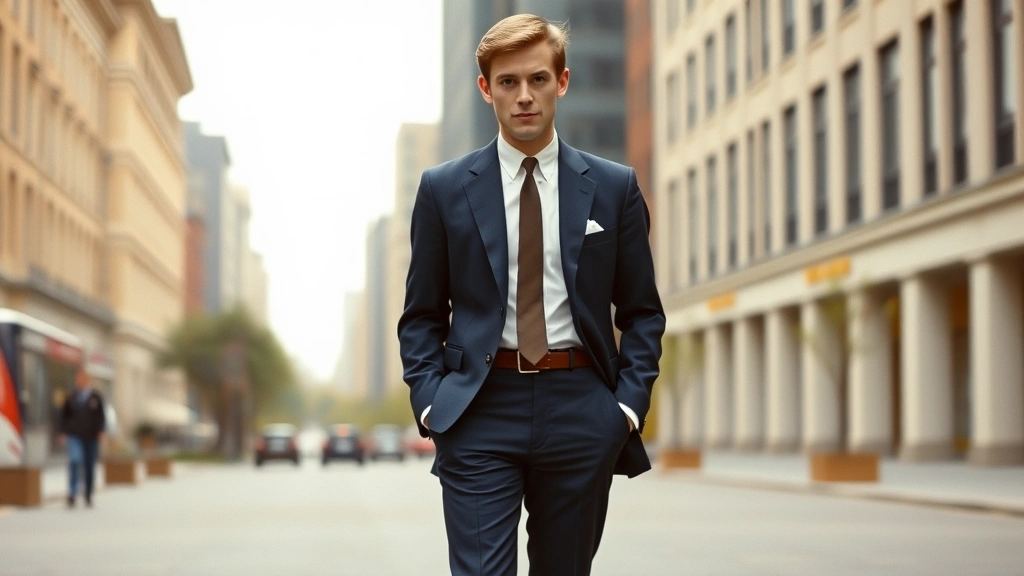
The early 1960s maintained strong connections to 1950s conservatism, but with a refined, youthful twist. Preppy fashion dominated this period, drawing inspiration from Ivy League aesthetics and country club culture. Men wore sharply tailored suits with narrow lapels, often in neutral tones like navy, charcoal gray, and black. The silhouette emphasized clean lines and a slim fit that represented sophistication and social status. This wasn’t the oversized, comfortable menswear of today; every garment was constructed to create a precise, almost architectural shape on the body.
Dress shirts during this era featured button-down collars, a detail borrowed directly from Oxford University polo players. The collar stayed in place during active wear, making it both functional and stylish. White dress shirts were the foundation of any respectable wardrobe, though pale blue and subtle stripes gained popularity as the decade progressed. Thin ties, often knit or made from fine silk, hung straight and narrow from the neck, creating an elegant vertical line. The three-piece suit, complete with matching vest and watch chain, represented the pinnacle of formal early-60s menswear.
Casual wear during this period still maintained structure and formality by modern standards. Men wore polo shirts in solid colors, typically tucked into flat-front trousers with a sharp crease. Cardigans and crew-neck sweaters layered over collared shirts created polished, preppy looks perfect for weekend activities. Madras plaid patterns and argyle designs appeared on sweaters and socks, introducing subtle color without sacrificing propriety. This early-60s aesthetic emphasized that even casual clothing should appear intentional, well-tailored, and refined—a philosophy that contrasts sharply with contemporary casual wear norms.
The influence of the Kennedy administration cannot be overstated in shaping early 1960s male fashion. President John F. Kennedy, known for his impeccable style and youthful appearance, became a fashion icon for men everywhere. His preference for slim suits, narrow ties, and clean-shaven sophistication set the standard for aspiring American gentlemen. Young men studied photographs of Kennedy’s wardrobe choices, attempting to replicate his polished aesthetic. This top-down fashion influence from political leaders demonstrates how fashion history intertwines with major cultural moments and leadership.
The Mod Movement
By the mid-1960s, a youth-driven revolution was brewing in London that would fundamentally challenge men’s fashion conventions. The mod movement emerged from working-class London neighborhoods, representing a deliberate rejection of their parents’ conservative aesthetics. Mods—short for modernists—embraced cutting-edge fashion, contemporary music, and a youthful attitude that celebrated individuality and style experimentation. This movement represented the first time in modern history that young men’s fashion dictated trends to the broader market, rather than fashion trickling down from established elites.
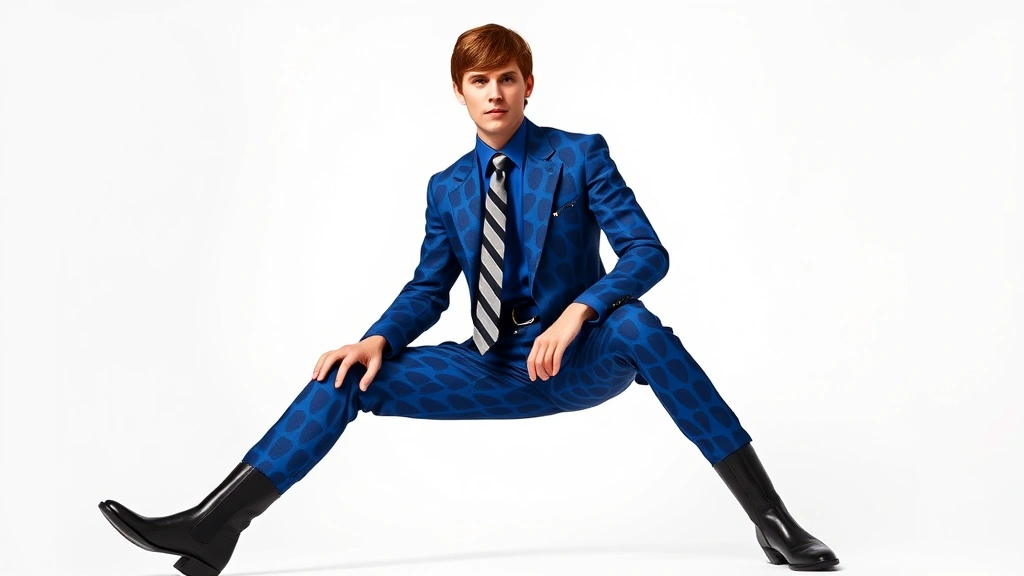
Mod suits represented a dramatic departure from early-60s tailoring. These jackets featured shorter, boxy cuts with high button stances and pronounced vents. The silhouette was deliberately sharp and geometric, almost sculptural in appearance. Colors expanded beyond traditional neutrals to include bold hues like electric blue, mustard yellow, and even hot pink. Patterns became central to mod identity: houndstooth checks, windowpane plaids, and geometric designs covered jackets and trousers. Skinny ties in contrasting colors created striking visual statements, often paired with coordinating pocket squares and lapel pins.
The mod aesthetic celebrated youth culture and urban sophistication in equal measure. Parkas became iconic mod outerwear, originally chosen for practical reasons but transformed into fashion statements through customization. Mods covered their parkas with metal badges, patches, and pins representing favorite bands and cultural affiliations. Target logos, another mod symbol, appeared on clothing and accessories as badges of style allegiance. This DIY approach to fashion—customizing purchased items to express individuality—foreshadowed contemporary fashion culture’s emphasis on personal styling and creative adaptation.
Chelsea boots, with their distinctive elastic side panels and chunky heels, became the definitive mod footwear. These boots offered both style and practicality, comfortable enough for extended wear while maintaining a distinctly fashionable appearance. Turtlenecks in bold colors became mod staples, worn under jackets or as standalone pieces. The mod movement proved that personal style could be bold, experimental, and deliberately provocative without sacrificing sophistication. Bands like The Who and The Small Faces became visual ambassadors for mod fashion, their stage appearances influencing thousands of young men seeking to emulate their distinctive aesthetic.
Psychedelic and Hippie Fashion
As the 1960s progressed toward the late years, a counterculture movement emerged that represented the complete antithesis of early-decade conservatism. The hippie movement, rooted in San Francisco and spreading internationally, rejected material values, social conventions, and the structured fashion of previous generations. Hippie fashion embraced natural fibers, earth tones, and deliberately relaxed silhouettes that celebrated comfort and authenticity over tailoring and presentation.
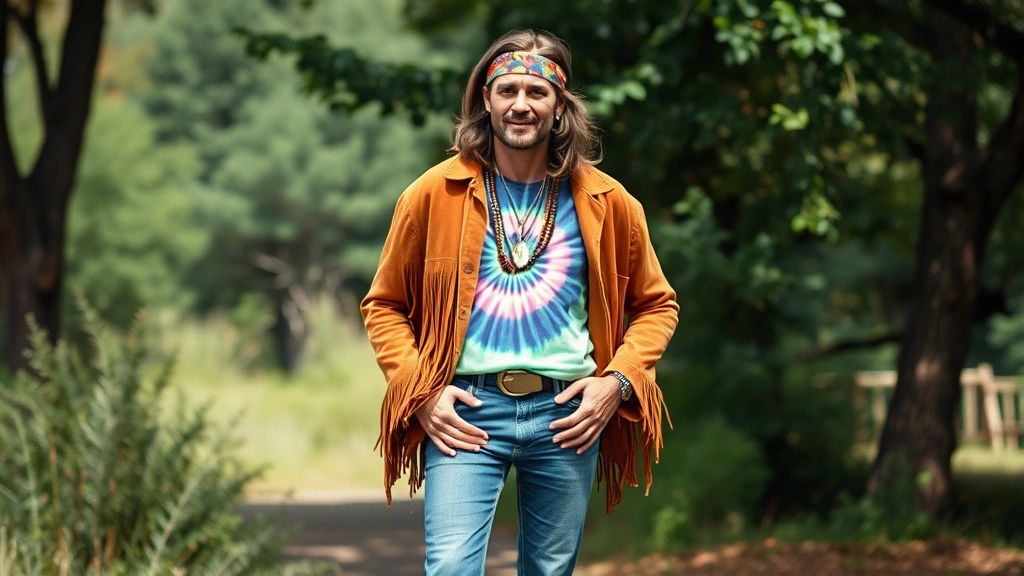
Tie-dye became the signature pattern of late-60s counterculture fashion. This ancient dyeing technique, rediscovered and popularized by hippies, created unique, swirling patterns that symbolized individuality and cosmic consciousness. Each tie-dyed garment was literally one-of-a-kind, a concept that aligned perfectly with hippie philosophy rejecting mass production and conformity. Bell-bottom jeans, with their dramatically flared legs, replaced the slim silhouettes of earlier years. These jeans, often embellished with embroidery, patches, and fringe, became canvases for creative self-expression.
Fringe appeared everywhere in late-60s menswear: on jackets, vests, and accessories. Suede and leather, treated as natural, earthy materials, became preferred fabrics. Long hair became a deliberate fashion and political statement, rejecting masculine grooming standards that had prevailed for generations. Headbands, often made from colorful fabric or leather, held back long locks while adding bohemian flair. Beads and jewelry, previously considered feminine or inappropriate for men, became acceptable and even desirable accessories within counterculture circles.
The psychedelic aesthetic introduced vibrant color combinations and surreal patterns that seemed to celebrate altered consciousness and spiritual exploration. Paisley designs, inspired by Indian textiles, covered shirts and jackets. Bright purples, oranges, and electric greens created visual intensity that contrasted sharply with the muted palettes of earlier decades. Vintage military jackets, often dyed or embellished, became treasured counterculture pieces, appropriating military symbolism while rejecting militarism itself. This era proved that fashion could be genuinely countercultural, using clothing to communicate values, beliefs, and rebellion against establishment norms.
Essential 1960s Menswear Pieces
Understanding the key garments that defined 1960s male fashion helps contemporary men incorporate vintage elements into modern wardrobes. The slim-fit suit remains the foundational piece of 1960s menswear, whether in early-decade conservative styles or mid-decade mod interpretations. These suits, characterized by narrow lapels and tapered trousers, create a sleek silhouette that remains relevant today. Modern tailors continue referencing 1960s proportions when creating slim-fit options, proving the enduring appeal of this silhouette.
The button-down Oxford shirt represents perhaps the most versatile 1960s menswear staple. Originally designed for function, this shirt style transcended its practical origins to become a wardrobe essential worn in both formal and casual contexts. The structure provided by the buttoned collar appealed to men across the fashion spectrum—from preppy to mod to early hippie. Learning how to style button down shirts opens endless possibilities for incorporating 1960s elements into contemporary outfits.
The knit polo shirt offered a more casual alternative to button-downs while maintaining the polished appearance expected during the early and mid-1960s. These shirts, typically worn tucked in, came in solid colors or subtle patterns. The collar and button placket provided structure while the knit fabric allowed some movement and comfort. Polo shirts bridged the gap between formal and casual wear, making them practical for various social situations.
Cardigans and crew-neck sweaters provided layering options that added visual interest and warmth. Argyle patterns, cable knits, and solid colors all appeared regularly in 1960s menswear. These sweaters, often worn over collared shirts, created the quintessential preppy silhouette that dominated early-decade fashion. The combination of a crew-neck sweater, collared shirt, and flat-front trousers created an effortlessly sophisticated look that remains appealing today.
Turtlenecks gained prominence as the decade progressed, particularly within mod and counterculture circles. These high-necked sweaters, worn alone or under jackets, created a sleek vertical line and suggested European sophistication. Turtlenecks appeared in every color imaginable, from traditional blacks and grays to vibrant mod hues and psychedelic patterns. The turtleneck’s versatility—equally at home in formal or casual contexts—contributed to its popularity across different fashion subcultures.
Trousers and jeans evolved dramatically throughout the 1960s. Early-decade flat-front trousers featured sharp creases and slim cuts. Mid-decade mod trousers became slightly boxier while maintaining clean lines. By the late 1960s, bell-bottom jeans dominated, their dramatic flare representing rebellion against structured tailoring. The evolution of trouser silhouettes reflects broader cultural shifts from conformity to individualism.
The leather jacket, while not exclusively 1960s, gained new significance during this decade. Worn by mods, early rockers, and later counterculture figures, the leather jacket became a symbol of youth rebellion and cool detachment. Whether paired with mod suits or hippie bell-bottoms, the leather jacket added edge and attitude to any outfit.
Accessories and Footwear
Accessories played crucial roles in defining 1960s male fashion across different aesthetic categories. Ties underwent dramatic transformations throughout the decade. Early-60s ties were narrow, often knit, and typically solid-colored or featuring subtle patterns. Mod ties became bolder, wider, and more colorful, celebrating visual impact. Later in the decade, ties became less relevant within counterculture circles, though some men continued wearing them in professional contexts. The transition from narrow to wide ties and eventually the near-abandonment of ties within certain social groups demonstrates how fashion reflects generational attitudes toward formality and convention.
Pocket squares and lapel pins added finishing touches to formal 1960s menswear. These small accessories, often coordinating with ties or shirts, demonstrated attention to detail and sartorial sophistication. Mod fashion celebrated statement pins and badges that communicated cultural allegiances and personal identity. Later counterculture fashion abandoned these formal accessories entirely, embracing a deliberately undone aesthetic.
Footwear proved equally important in establishing 1960s style identity. The Chelsea boot, with its elastic side panels and chunky heel, became iconic mod footwear. These boots offered both comfort and style, suitable for extended wear while maintaining visual impact. The Chelsea boot’s influence persists today, with contemporary designers regularly referencing this 1960s silhouette.
Loafers, particularly penny loafers, remained popular preppy options throughout the decade. These slip-on shoes, often worn with or without socks, created a polished casual look appropriate for various social situations. The loafer’s enduring popularity across decades testifies to its classic appeal and versatility.
Desert boots, featuring crepe rubber soles and suede uppers, became popular during the 1960s. These comfortable, casual boots worked equally well with preppy outfits, mod styles, or early hippie aesthetics. The desert boot’s practicality and style made it a transitional piece that appealed across fashion subcultures.
Sneakers, particularly canvas styles like Converse Chuck Taylors, gained prominence within counterculture circles. These casual, affordable shoes represented rejection of formal footwear conventions. Worn with jeans and t-shirts, sneakers became the uniform of youth rebellion and casual authenticity.
Hats remained relevant accessories throughout the 1960s, though their significance diminished as the decade progressed. Flat caps, worn by mod men, added a distinctly British flavor to outfits. Berets appeared in some mod and bohemian contexts. By the late 1960s, long hair made hats less common, though headbands and bandanas provided alternative head coverings that aligned with counterculture aesthetics.
Styling Tips for Modern Wear
Incorporating 1960s menswear elements into contemporary wardrobes requires understanding which pieces remain timeless and how to adapt vintage styles for modern contexts. The slim-fit suit, fundamental to 1960s fashion, remains relevant today. Contemporary men can embrace narrow lapels, tapered trousers, and structured silhouettes while updating fabrics and fits to modern standards. Pairing a slim suit with a modern haircut and contemporary accessories creates a look that feels both vintage-inspired and current.
Button-down Oxford shirts offer perhaps the easiest entry point for incorporating 1960s style. These versatile pieces work in professional settings, casual contexts, and everything between. Wearing them tucked in with tailored trousers creates a polished 1960s aesthetic, while leaving them untucked and rolling the sleeves offers a more relaxed approach. Layering an Oxford shirt under a modern sweater or jacket references the preppy styling of early-60s fashion.
The Chelsea boot, iconic mod footwear, translates seamlessly into contemporary style. Modern versions of this classic boot work with skinny jeans, tailored trousers, or even shorts. The Chelsea boot’s versatility makes it an excellent investment piece that bridges vintage and modern aesthetics.
Turtlenecks, popular throughout the 1960s, remain contemporary staples. Wearing a turtleneck under a blazer or jacket creates an effortlessly sophisticated look. Modern versions in updated colors and fabrics offer fresh interpretations of this 1960s essential.
For those seeking to embrace counterculture aesthetics, vintage-inspired tie-dye, bell-bottom jeans, and bohemian accessories create an authentic late-60s vibe. However, mixing these pieces with modern basics—contemporary t-shirts, modern haircuts, and updated accessories—prevents the look from feeling like a costume. The key to successfully wearing 1960s-inspired fashion today involves selective incorporation rather than complete period recreation.
Understanding types of fashion styles helps men identify which 1960s aesthetic aligns with their personal preferences and lifestyle. Someone drawn to structured, tailored clothing might embrace the preppy or mod aesthetics, while those preferring relaxed, individualistic style might gravitate toward hippie-inspired elements. Authentic personal style emerges from genuine attraction to aesthetic principles rather than forced adherence to historical periods.
Visiting StyleLoom Daily Blog provides ongoing inspiration for incorporating vintage elements into contemporary wardrobes. Fashion blogging communities celebrate creative reinterpretation of historical styles, offering practical guidance for modern men seeking to add vintage flair to their everyday outfits.
Quality matters significantly when incorporating 1960s menswear into modern wardrobes. Vintage pieces, if authentic, often feature superior construction compared to contemporary fast fashion. Investing in well-made slim suits, quality Oxford shirts, and durable boots ensures that 1960s-inspired pieces remain relevant and wearable for years. Modern reproductions of vintage styles, created by contemporary designers, offer accessible alternatives to hunting for authentic vintage pieces.
Color and proportion require careful consideration when mixing vintage and modern elements. A slim-fit vintage-inspired suit pairs well with contemporary accessories and modern hairstyles. However, attempting to recreate entire looks from photographs risks appearing costume-like rather than stylish. The most successful contemporary vintage styling involves using historical pieces as inspiration while remaining grounded in modern fashion sensibilities.
FAQ
What were the main fashion trends for men in the 1960s?
The 1960s featured diverse menswear trends reflecting cultural shifts. Early-decade preppy fashion emphasized slim suits, button-down shirts, and conservative styling. The mod movement introduced bold colors, geometric patterns, and experimental tailoring. Late-decade counterculture fashion embraced tie-dye, bell-bottoms, and deliberately relaxed aesthetics. These trends coexisted throughout the decade, offering men multiple style options depending on social circles and personal preferences.
How can I incorporate 1960s style into my modern wardrobe?
Start with foundational pieces like slim-fit suits, button-down Oxford shirts, and Chelsea boots—all of which remain contemporary staples. Layer vintage-inspired pieces with modern basics to avoid appearing costume-like. Experiment with colors and patterns from different 1960s aesthetics to identify which resonates with your personal style. Quality matters significantly; invest in well-made pieces rather than fast-fashion reproductions.
What shoes were popular for men in the 1960s?
Chelsea boots became iconic mod footwear, while loafers remained popular preppy options. Desert boots offered comfortable versatility across style subcultures. Sneakers, particularly canvas styles, gained prominence within counterculture circles. Dress shoes in sleek silhouettes complemented formal 1960s menswear. Each footwear style communicated specific fashion allegiances and social positioning.
Were there significant differences between British and American 1960s menswear?
Absolutely. The mod movement, primarily British, embraced bold colors, geometric patterns, and experimental tailoring. American menswear, particularly early in the decade, maintained stronger connections to conservative preppy aesthetics. However, by the late 1960s, American counterculture fashion drew inspiration from global influences, creating hybrid styles that transcended geographic boundaries. British fashion innovation significantly influenced American youth culture throughout the decade.
How did the hippie movement change men’s fashion?
The hippie movement represented a deliberate rejection of structured, formal menswear. Tie-dye, bell-bottoms, fringe, and deliberately relaxed silhouettes replaced tailored suits and crisp styling. Long hair became acceptable, challenging grooming standards. Natural fibers and earthy tones replaced synthetic materials and bold mod colors. The movement emphasized authenticity and individualism over conformity and convention, fundamentally shifting attitudes toward male appearance and self-expression through clothing.
Are 1960s fashion trends coming back?
Elements of 1960s fashion continuously influence contemporary design. Slim-fit silhouettes, Chelsea boots, and button-down shirts remain relevant. Designers regularly reference mod aesthetics, psychedelic patterns, and vintage tailoring. However, contemporary fashion interprets rather than directly copies 1960s styles, creating modern pieces inspired by historical precedent. Understanding fashion history helps men identify timeless elements worth incorporating into their personal style.
Where can I find authentic vintage 1960s menswear?
Vintage clothing shops, online marketplaces specializing in vintage fashion, and estate sales offer authentic 1960s pieces. Thrift stores occasionally contain vintage gems, though finding specific items requires patience and regular shopping. Contemporary designers also create reproductions inspired by 1960s styles, offering accessible alternatives to hunting for authentic vintage pieces. When purchasing vintage, examine construction quality and condition carefully to ensure pieces remain wearable and durable.