1960s Women’s Fashion: A Vintage Guide
The 1960s stands as one of the most transformative and exhilarating decades in fashion history, a period when women’s clothing became a powerful vehicle for social revolution and cultural change. From the elegant sophistication of early-decade silhouettes to the bold, youth-driven aesthetics of the late sixties, this era redefined femininity, challenged traditional norms, and introduced silhouettes that continue to inspire designers today. The decade witnessed an unprecedented collision between haute couture traditions and street-style rebellion, creating a dynamic fashion landscape that reflected women’s evolving roles in society.
What makes 1960s women’s fashion particularly compelling is its duality—the coexistence of refined elegance and daring experimentation. Fashion designers like Mary Quant, André Courrèges, and Yves Saint Laurent pushed boundaries while established houses maintained their prestige. This era gave us the miniskirt, the shift dress, go-go boots, and psychedelic prints that became symbols of liberation and youth culture. Whether you’re a fashion historian, vintage enthusiast, or simply curious about how this decade shaped modern style, understanding 1960s women’s fashion reveals much about the social movements, technological advances, and cultural attitudes of the time.
Early 60s Elegance: The Refined Beginning
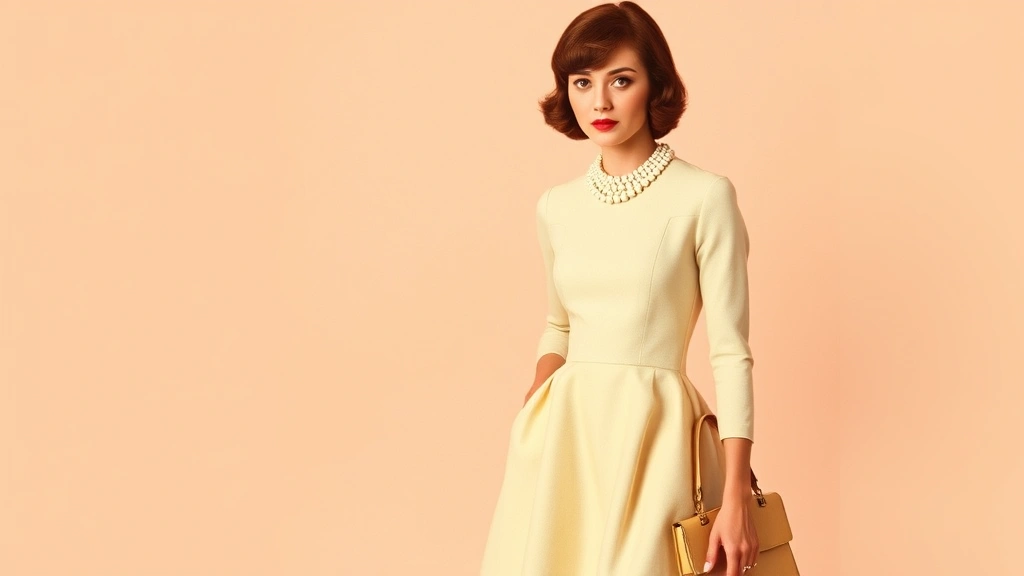
The early 1960s inherited much from the previous decade’s aesthetic sensibilities, maintaining an emphasis on polished, ladylike elegance that harked back to 1950s femininity. However, this wasn’t mere repetition—designers were subtly refining proportions, introducing lighter fabrics, and experimenting with new construction techniques. The silhouette remained structured and defined, with cinched waists and full skirts that celebrated the hourglass figure. Hemlines hovered just below the knee, and garments were crafted with meticulous attention to detail and quality construction.
Jacqueline Kennedy emerged as the era’s most influential style icon during the early sixties, epitomizing a refined, conservative elegance that resonated with the aspirational middle class. Her famous pink Chanel suit, worn on the day of President Kennedy’s assassination in 1963, became an indelible image in fashion history. The early 60s aesthetic emphasized clean lines, sophisticated color palettes of pastels and jewel tones, and an overall sense of composed grace. Designers like Oleg Cassini created custom pieces for the First Lady that established a template for American luxury fashion—understated, impeccably tailored, and timelessly elegant.
This period also saw the rise of the A-line dress, a silhouette that offered a fresh departure from the rigid structures of the 1950s while maintaining femininity. The A-line’s gentle flare from the waist created an elongated, youthful proportion that proved endlessly versatile, appearing in day dresses, evening wear, and everything in between. Paired with a simple blouse or worn as a complete dress, the A-line became the foundational silhouette of early-60s fashion, bridging the gap between classic femininity and the experimental spirit that would define the decade’s latter half.
The Mod Movement and Youth Revolution
By the mid-1960s, a seismic shift occurred in the fashion world as youth culture claimed unprecedented influence over style. The Mod movement, originating in London among working-class youth, fundamentally challenged fashion’s traditional hierarchies. Where haute couture had dictated trends from Paris and Milan, suddenly London’s streets and boutiques became arbiters of style. Young designers like Vogue-featured Mary Quant revolutionized women’s fashion by creating clothes specifically designed for young women, rejecting the notion that fashion should age women or conform them to traditional ideals of womanhood.
The miniskirt, perhaps the decade’s most iconic and controversial garment, emerged from this youth-driven revolution. Rising steadily from just below the knee in the early 60s to dramatically short lengths by 1966-1967, the miniskirt represented a radical rejection of previous generations’ modesty codes. It symbolized female independence, sexual liberation, and a refusal to be constrained by outdated conventions. Paired with go-go boots and bold geometric patterns, the miniskirt created an entirely new silhouette that emphasized legs and youth rather than the curves and maternal softness that previous fashion had celebrated.
Alongside the miniskirt came the shift dress—a straight, simple, often sleeveless garment that hung from the shoulders with minimal structure. This represented a dramatic departure from the fitted, corseted aesthetics of previous eras. The shift dress’s simplicity was deceptive; its success depended on perfect proportions, quality fabrics, and often bold prints or textures that provided visual interest. This silhouette democratized fashion by being relatively simple to construct and affordable to produce, allowing mass-market retailers to offer trendy pieces that previously would have been available only through expensive couture houses.
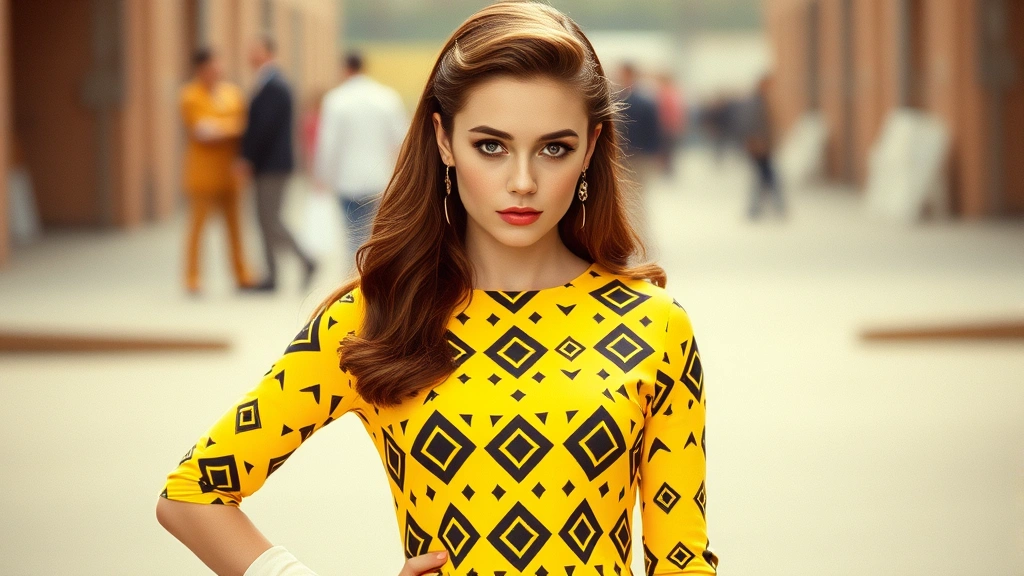
The Mod aesthetic embraced bold geometric prints, particularly Op Art patterns that created optical illusions through contrasting colors and precise lines. Concentric circles, checkerboards, and abstract designs in high-contrast color combinations became signatures of mid-60s fashion. These weren’t subtle patterns meant to flatter the wearer; they were bold statements that drew attention and celebrated youth culture’s embrace of visual experimentation and playful irreverence toward traditional fashion rules.
Key Silhouettes and Cuts
Understanding the silhouettes of the 1960s is essential to grasping how radically fashion transformed across this single decade. The evolution from fitted, structured garments to loose, simple shapes reflects broader cultural shifts toward youth empowerment and liberation. Let’s explore the defining silhouettes that characterized different phases of the era:
- The A-Line Dress: Maintaining popularity throughout the decade, this silhouette offered flattering proportions with a gentle flare from waist to hem, appearing in countless variations from casual day dresses to formal evening wear.
- The Shift Dress: A revolutionary straight-hanging silhouette that required minimal tailoring and emphasized simplicity, often paired with bold prints or textures that provided visual interest.
- The Miniskirt: Rising progressively throughout the mid-to-late 60s, this garment became the decade’s most iconic and controversial silhouette, fundamentally changing how women’s legs were displayed in fashion.
- Mod Coat: Often featuring geometric prints, bold colors, and simple, straight-cut construction, these coats paired perfectly with miniskirts and shift dresses to create the quintessential Mod look.
- Empire Waist Dress: Popular particularly in the late 60s, this silhouette raised the waistline just below the bust, creating a youthful, elongated proportion that became associated with hippie and bohemian aesthetics.
- Trapeze Dress: Similar to the A-line but with even more dramatic flare, this silhouette offered an extremely youthful, playful proportion that became popular for both day and evening wear.
The progression of these silhouettes from structured to loose reflects a fundamental shift in how fashion conceived of women’s bodies. Early-60s silhouettes celebrated curves and maturity; by decade’s end, fashion idealized youth, androgyny, and a rejection of traditional femininity. This wasn’t merely an aesthetic change—it represented a profound cultural shift in how women viewed themselves and their place in society.
Colors, Patterns, and Fabrics
The color palette of 1960s women’s fashion evolved dramatically across the decade, mirroring broader cultural transformations. The early 60s favored sophisticated, muted tones: soft pastels, jewel tones like emerald and sapphire, and classic neutrals that conveyed elegance and refinement. Blacks, whites, and creams provided timeless foundations, while pale pinks, soft blues, and mint greens created a gentle, feminine aesthetic that still dominated early-decade fashion.
By the mid-60s, the color palette had shifted dramatically toward bolder, more vibrant hues. Bright yellows, electric blues, hot pinks, and lime greens reflected youth culture’s rejection of subtle sophistication in favor of bold visual statements. These weren’t colors meant to blend or flatter in traditional ways; they were colors meant to be noticed, to stand out, to declare the wearer’s allegiance to a new generation with different values and aesthetics.
Fabrics underwent equally significant transformations. The early 60s continued the 1950s preference for structured materials like cotton, wool, and silk that held their shape and maintained crisp lines. However, as the decade progressed, synthetic fabrics became increasingly prevalent. Polyester, nylon, and other man-made materials offered practical advantages—easy care, durability, and the ability to hold bright colors and bold prints without fading. While some fashion purists criticized synthetics, these materials democratized fashion by making trendy pieces affordable and accessible to working-class women who couldn’t afford expensive natural fibers.
Patterns evolved from subtle florals and delicate prints in the early 60s to explosive geometric designs by mid-decade. Op Art patterns, inspired by the optical illusion artworks gaining popularity in the contemporary art world, created dynamic visual effects that seemed almost to move on the fabric. Bold stripes, checkerboards, and abstract geometric shapes became signatures of Mod fashion. By the late 60s, paisley patterns, floral prints inspired by Indian textiles, and tie-dye effects reflected the influence of counterculture and hippie aesthetics that emerged toward decade’s end.
Textures also played an important role in 1960s fashion. Smooth, sleek fabrics created the clean lines essential to Mod silhouettes, while textured materials like velvet, corduroy, and faux fur added richness and visual interest. Lace, often in unexpected ways, appeared on Mod dresses and evening wear, creating interesting contrasts between delicate femininity and bold modern design.
Accessories and Footwear
Accessories in the 1960s were far from afterthoughts; they were essential elements that completed and defined the overall aesthetic. Early-60s accessories maintained a refined elegance: pearl necklaces and earrings, delicate brooches, and structured handbags in leather or patent materials conveyed sophistication and polish. Gloves, particularly long kid-leather gloves for evening wear, remained fashionable accessories that added a touch of formality and elegance.
The Mod movement revolutionized accessory styling, embracing bold, youthful pieces that complemented the era’s experimental silhouettes. Large, geometric brooches became statement pieces rather than subtle accents. Chunky beaded necklaces and long strands of pearls worn multiple times around the neck created a casual, playful aesthetic that contrasted with the refined jewelry of earlier eras. Oversized sunglasses, particularly the cat-eye style popularized by celebrities, became iconic accessories that conveyed mystery and cool detachment.
Bags evolved from structured handbags to more relaxed, often oversized totes and shoulder bags that accommodated the practical needs of young, active women. Patent leather remained popular, often in bright colors or bold patterns that coordinated with outfit ensembles. By the late 60s, fringed bags and bohemian-inspired accessories reflected the influence of hippie culture on mainstream fashion.
Footwear underwent perhaps the most dramatic transformation of any accessory category. The decade’s beginning saw continued reliance on classic pumps and kitten heels that had dominated the 1950s. However, the introduction of the go-go boot—a calf-length boot often in white patent leather, PVC, or bold colors—became the iconic footwear of the Mod era. Go-go boots, typically featuring a low heel and often a zipper up the back, perfectly complemented miniskirts and shift dresses by emphasizing youthful proportions and creating a sleek, modern silhouette.
As the 60s progressed, boots remained central to women’s fashion in numerous iterations: thigh-high boots, suede boots, boots in every color imaginable. Beyond boots, women embraced flats and ballet-inspired shoes that conveyed youth and athleticism. Sandals and strappy flat shoes became popular, particularly in the late 60s when hippie influences introduced bohemian sensibilities. Platform shoes, which would become iconic in the 1970s, began appearing in the late 60s, offering height and visual drama while maintaining the casual aesthetic that youth culture demanded.
Iconic Figures and Style Icons
The 1960s produced some of fashion history’s most influential and memorable style icons, women whose personal fashion choices inspired millions and defined the era’s aesthetic possibilities. Understanding these figures provides crucial context for comprehending how 1960s women’s fashion actually functioned in the real world, beyond designer runways and magazine editorials.
Jacqueline Kennedy, as mentioned earlier, dominated early-60s fashion with her refined, elegant aesthetic. Her preference for Chanel suits, simple shift dresses, and coordinated accessories created a template for sophisticated American style that influenced fashion across all economic classes. Though her style remained relatively conservative compared to the decade’s later trends, her influence on silhouettes, color choices, and the importance of impeccable tailoring cannot be overstated.
Twiggy, the British model who rose to prominence in the mid-60s, became the living embodiment of the Mod aesthetic and youth culture’s fashion revolution. Her extremely slender, almost androgynous figure, combined with her youthful face and bold eye makeup, represented a complete rejection of previous beauty ideals. Twiggy wore miniskirts, shift dresses, and bold geometric prints with an attitude that conveyed confidence and modernity. Her influence extended far beyond high fashion; she represented the possibility that youth, unconventionality, and anti-establishment values could coexist with fashion prominence and commercial success.
Audrey Hepburn, while somewhat older than the Mod generation, remained influential throughout the 60s with her sophisticated, minimalist style. Her collaborations with designer Givenchy produced elegant pieces that appealed to women seeking refinement without excessive ornamentation. Her influence represented the continuing viability of classic elegance even as youth culture increasingly dominated fashion discourse.
Mary Quant, though primarily known as a designer rather than a wearer, functioned as a style icon through her public persona and fashion choices. Her embrace of the miniskirt and Mod aesthetic, combined with her youthful energy and willingness to challenge fashion conventions, made her an icon of the youth revolution. She represented the possibility that women could be fashion creators and arbiters rather than merely consumers of designs created by male designers.
Brigitte Bardot and Jean Shrimpton represented variations on the youthful, sensual ideal that dominated 60s fashion. Bardot’s French sophistication combined with overt sexuality created a different model of femininity than the wholesome youth represented by Twiggy, while Shrimpton’s elegant beauty and modeling prominence made her a crucial figure in popularizing miniskirts and Mod fashion internationally.
These iconic figures didn’t simply wear fashion; they embodied attitudes, values, and possibilities that made certain styles meaningful and desirable. Their influence demonstrates how fashion functions as more than mere clothing—it serves as a vehicle for expressing identity, values, and generational affiliation.
Hair and Makeup Trends
Hair and makeup in the 1960s evolved as dramatically as silhouettes and colors, with styles that reflected and reinforced the era’s broader aesthetic and cultural values. Early-60s hair remained relatively controlled and structured, with women maintaining carefully set waves, often achieved through chemical permanents that created long-lasting curls. The bouffant—a voluminous, teased style—remained popular, particularly among older women and those seeking to maintain 1950s aesthetics. Hair was typically worn shoulder-length or shorter, styled with meticulous attention to creating fullness and shape through teasing and setting.
The mid-60s brought significant changes to hair aesthetics, with the introduction of the bob cut and shorter, straighter styles that complemented Mod fashion. The geometric precision of Mod design extended to hair, with blunt-cut bobs and sleek, straight styles becoming fashionable. Hair was often worn with bangs, particularly the thick, straight bangs popularized by Twiggy and other Mod icons. This represented a dramatic shift from the carefully controlled waves of earlier eras; the new aesthetic valued simplicity, geometric precision, and a youthful, almost tomboyish quality that contrasted sharply with the feminine elaborateness of 1950s hairstyles.
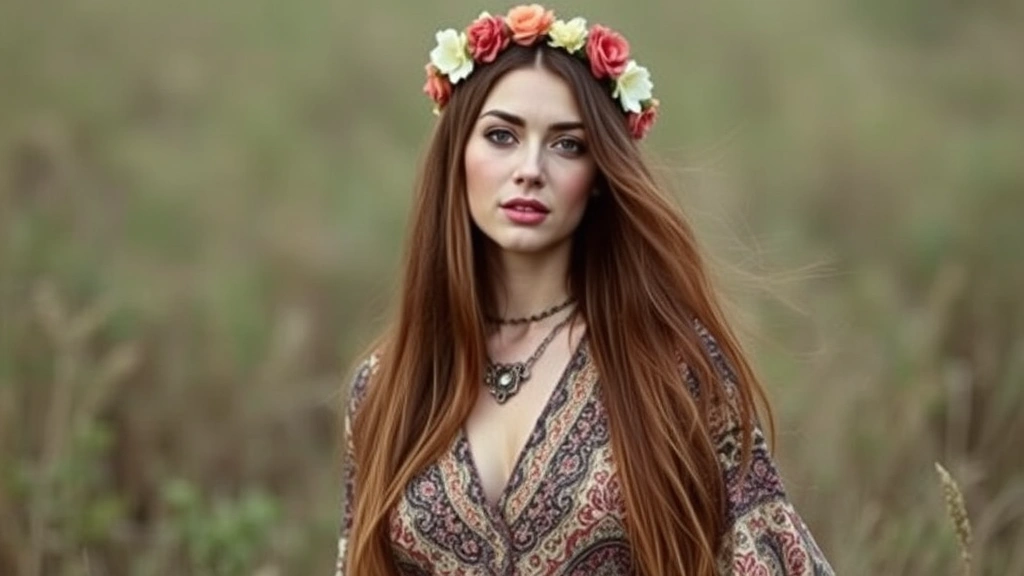
By the late 60s, as hippie and counterculture influences gained prominence, hair became longer and often left in its natural state, sometimes enhanced with waves or curls but without the rigid control of earlier decades. Long, straight hair, often with a center part, became the hippie aesthetic’s signature look, representing a rejection of the artificial styling and beauty standards that previous generations had embraced. Headbands, flowers, and other bohemian accessories adorned hair, reflecting the era’s embrace of natural beauty and rejection of conventional grooming standards.
Makeup evolved equally dramatically across the decade. Early-60s makeup maintained 1950s sensibilities: defined eyebrows (often plucked into thin arches), neutral or warm-toned eyeshadow, heavy eyeliner, and emphasis on the eyes as the face’s focal point. Lipstick colors ranged from pale pinks to deeper reds, always applied with precision and maintained throughout the day.
The Mod revolution transformed makeup aesthetics, introducing the iconic heavy eye makeup that became synonymous with 1960s fashion. Thick black eyeliner, often applied in dramatic cat-eye wings that extended beyond the eye’s natural shape, created a bold, graphic quality that complemented geometric prints and simple silhouettes. Eyeshadow became more colorful and dramatic, with pale blues, silvers, and whites creating a striking contrast with the heavy black liner. False eyelashes, worn in multiple layers for maximum drama, became essential to achieving the Mod look. Eyebrows were often plucked into thin, high arches that emphasized eye makeup and created an expression of perpetual surprise or intensity.
Interestingly, while eye makeup became increasingly dramatic, lip color often became more muted during the Mod era. Pale, almost nude lipsticks or soft pinks created a contrast with the heavy eye makeup, allowing the eyes to dominate facial aesthetics. This represented a significant shift from previous eras when lips and eyes competed for attention; in the 1960s, particularly the Mod period, eyes became unquestionably the focal point of facial makeup.
Foundation and base makeup remained important throughout the 60s, with women seeking the pale, porcelain complexion that conveyed youth and elegance. Powder was applied liberally to set makeup and create a matte finish that prevented shine. Blush, when applied, was often quite subtle, with women relying on the contrast between pale skin and dramatic eye makeup to create visual interest and definition.
FAQ
What was the most iconic garment of 1960s women’s fashion?
The miniskirt stands as the most iconic and revolutionary garment of the 1960s. Rising progressively from just below the knee to dramatically short lengths by the mid-to-late 60s, the miniskirt symbolized youth culture’s rebellion against traditional fashion conventions and represented a radical shift in how women’s bodies were displayed and celebrated in fashion. Its emergence reflected broader cultural changes regarding female sexuality, independence, and the rejection of previous generations’ modesty standards.
How did 1960s fashion reflect social and cultural changes?
1960s fashion served as a barometer for profound social transformations. The early decade’s refined elegance reflected continued adherence to traditional gender roles and class hierarchies. However, the mid-60s youth revolution, with its embrace of Mod fashion and miniskirts, directly corresponded with the women’s liberation movement, increased educational and professional opportunities for women, and changing attitudes toward sexuality and independence. By the late 60s, hippie fashion reflected counterculture values emphasizing natural beauty, environmental consciousness, and rejection of materialistic consumerism. Fashion didn’t merely reflect these changes; it actively participated in them, making visible and tangible the values and identities that different groups embraced.
How can I incorporate 1960s fashion into modern style?
Modern fashion enthusiasts can draw from multiple 1960s aesthetic traditions depending on personal style preferences. The early-60s refined elegance translates beautifully into contemporary minimalist fashion; invest in well-tailored pieces in neutral colors with clean lines and impeccable construction. For Mod-inspired style, embrace bold geometric prints, simple silhouettes, and statement accessories. A miniskirt paired with a simple blouse and go-go boots creates an instantly recognizable 60s-inspired look. Late-60s bohemian aesthetics translate into flowing silhouettes, natural fabrics, earthy colors, and vintage-inspired accessories. The key to successfully incorporating 60s elements into modern style is understanding the underlying aesthetic principles—whether refined elegance, bold youth rebellion, or natural bohemianism—and adapting them to contemporary contexts and personal preferences.
Why did fashion change so dramatically during the 1960s?
The 1960s witnessed unprecedented fashion transformation due to converging cultural, economic, and technological factors. The post-war economic boom created increased consumer spending and a growing middle class with purchasing power. The emergence of youth culture as a distinct demographic with its own values, music, and aesthetics challenged traditional fashion hierarchies where older, wealthier consumers dictated trends. Technological advances in synthetic fabric production made fashionable clothing more affordable and accessible to working-class women. The women’s liberation movement challenged traditional gender roles and beauty standards, making fashion that emphasized youth, independence, and sexuality culturally meaningful. Additionally, the rise of London’s street fashion and youth-oriented designers like Mary Quant demonstrated that fashion could originate from youth culture rather than being imposed from elite design houses. These factors combined to create an environment where radical fashion change didn’t merely seem possible—it seemed inevitable and necessary.
How did 1960s women’s fashion compare to other decades?
The 1960s represents a unique historical moment when fashion underwent more dramatic transformation in a single decade than in most other periods. Comparing it to the 1930s fashion trends that emphasized elegance during economic hardship, or exploring how decades fashion evolved across multiple eras, reveals the 60s as genuinely revolutionary. While the 1950s had emphasized femininity and maternal domesticity, and the 1970s would later emphasize disco glamour and bohemian excess, the 1960s uniquely balanced refinement with rebellion, allowing multiple aesthetic traditions to coexist and influence one another. The decade’s fashion evolution compressed changes that might have occurred over multiple decades in other historical periods, making it genuinely transformative in fashion history.
What role did designers play in 1960s fashion?
Designers in the 1960s occupied a more complex position than in previous eras. Traditional haute couture houses like Chanel, Dior, and Givenchy continued creating elegant, refined pieces for wealthy clients, but their influence on broader fashion trends diminished as youth culture and street fashion gained prominence. Designers like Mary Quant, André Courrèges, and Paco Rabanne embraced youth culture and experimented with new silhouettes and materials, directly challenging traditional design hierarchies. The rise of ready-to-wear fashion, made possible by technological advances and mass production capabilities, meant that fashion increasingly originated from commercial retailers and street fashion rather than exclusively from elite design houses. This democratization of fashion design authority represented a fundamental shift in how fashion functioned culturally and commercially.
For more insights into fashion history, explore our comprehensive guide to types of fashion and discover how different style movements have shaped contemporary aesthetics. Additionally, understanding 1930s male fashion provides interesting comparative context for how gender influenced fashion evolution across decades.
For authoritative perspectives on 1960s fashion history, consult Vogue’s comprehensive coverage of iconic 60s moments, explore The Guardian’s fashion analysis, visit the Metropolitan Museum of Art’s fashion collections, and discover FIT’s Fashion History timeline for scholarly resources on this transformative decade.