50s Fashion Trends: Vintage Enthusiast’s Guide to 1950s Women’s Fashion
The 1950s represent a golden era of fashion history, a time when elegance, femininity, and meticulous tailoring defined women’s style. After the austerity of the 1940s, the post-war decade exploded with vibrant colors, bold silhouettes, and an optimistic approach to dressing. From the iconic full skirts that dominated dance floors to the sophisticated day wear that graced office spaces, 1950s women’s fashion established aesthetic principles that continue to influence contemporary style. This comprehensive guide explores the defining characteristics, key garments, and cultural icons that shaped this transformative period.
Understanding 1950s fashion requires acknowledging the social context of the era. Women were encouraged to embrace their femininity through carefully constructed silhouettes that emphasized curves and created hourglass figures. The New Look, introduced by Christian Dior in 1947, revolutionized fashion and dominated the 1950s aesthetic. Synthetic fabrics, improved manufacturing techniques, and post-war prosperity made fashionable clothing more accessible to average women than ever before. Whether you’re a vintage enthusiast seeking authentic pieces or simply curious about fashion history, this era offers endless inspiration and practical styling wisdom.
Iconic Silhouettes and Construction
The defining characteristic of 1950s women’s fashion was undoubtedly the silhouette. The decade favored dramatic curves achieved through careful construction, corsetry, and structural undergarments. The most recognizable shape featured a cinched waist, full bust, and voluminous skirts that extended to mid-calf or knee length. This hourglass figure represented the feminine ideal, celebrated through fashion magazines, Hollywood films, and advertising campaigns.
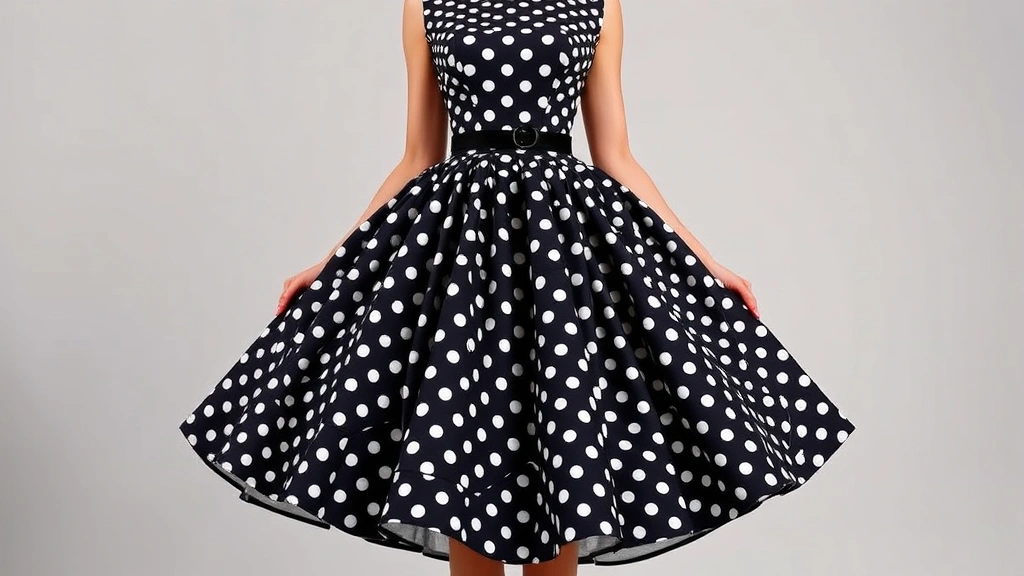
The full skirt became synonymous with 1950s style, often featuring petticoats and crinolines that created impressive volume. Circle skirts, gathered skirts, and pleated designs allowed women to create dramatic movement and silhouette. Many skirts incorporated structural elements like boning at the waistband to maintain definition. The waistline itself became a focal point, often sitting at the natural waist with measurements that emphasized the contrast between fitted bodices and full skirts. This construction required quality tailoring and attention to fit, making well-made vintage pieces valuable investment pieces for contemporary wardrobes.
Beyond casual wear, formal gowns showcased even more elaborate construction. Ball gowns featured multiple layers of tulle, silk, and netting to create architectural shapes that seemed to defy gravity. Bodices were often boned extensively, and skirts extended into dramatic trains. Even everyday dresses incorporated structured elements like darts, seaming, and strategic ruching that shaped fabric to flatter the female form. Understanding this construction helps vintage enthusiasts identify authentic 1950s pieces and appreciate the craftsmanship involved in creating these garments.
The fit and construction of 1950s fashion also reflected manufacturing capabilities of the era. Before mass production became completely standardized, many garments were constructed with quality fabrics and detailed finishing. Seams were often french seamed or bound, hems were hand-finished, and closures included quality zippers, buttons, and hooks-and-eyes. These construction details not only made garments more durable but also contributed to the polished appearance that defined the decade’s aesthetic.
Signature Pieces Every Era Defines
Certain garments became absolutely essential to 1950s women’s fashion, pieces that no well-dressed woman would be without. The poodle skirt emerged as a playful, youthful option, typically featuring a felt appliqué of a poodle or other decorative motif. Though often associated with teenage culture and sock hops, poodle skirts represented a more casual, rebellious side of 1950s fashion. These skirts typically featured a full, gathered silhouette and were often worn with saddle shoes or white socks.
The pencil skirt offered an alternative silhouette for more sophisticated occasions. Fitted closely through the hips and thighs, pencil skirts created a sleek, elegant line. Often paired with fitted blouses or sweaters, the pencil skirt represented a more mature, professional approach to 1950s fashion. Many pencil skirts featured a back vent or slit that allowed for walking ease while maintaining a form-fitting appearance. This style remains popular in contemporary fashion, proving the enduring appeal of 1950s silhouettes.
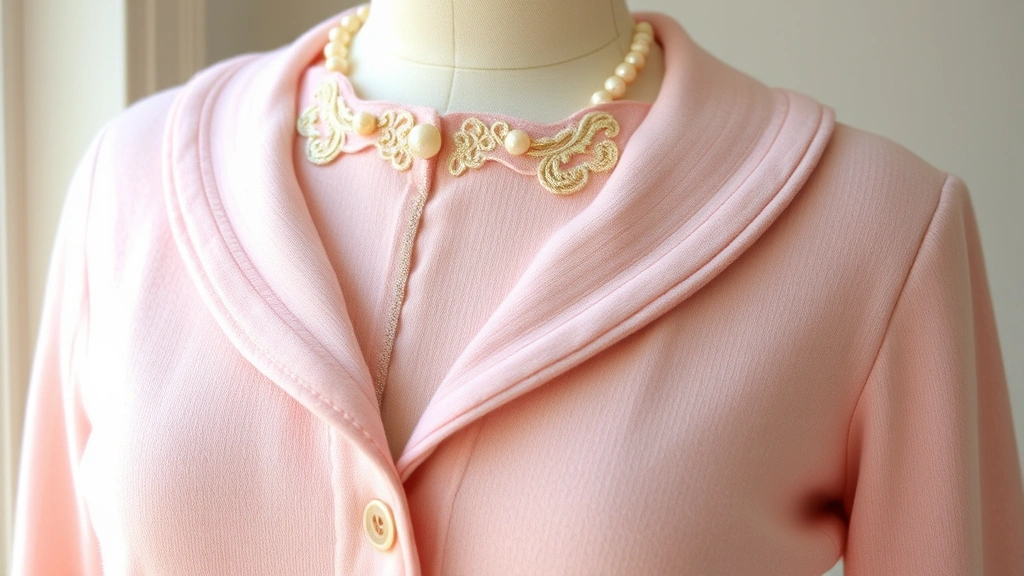
The twin set became iconic during this period, consisting of a matching cardigan and short-sleeved or sleeveless shell. Twin sets were typically made from cashmere or cotton and featured delicate details like pearl buttons or embroidered necklines. These sets represented refinement and were worn by women across various social classes, from college students to suburban housewives to Hollywood starlets. The twin set perfectly embodied the 1950s emphasis on ladylike elegance combined with practical versatility.
Shirtwaist dresses represented another quintessential 1950s silhouette, featuring a fitted bodice, defined waistline, and full skirt. These dresses often incorporated shirt-front details like button-down fronts and collars, creating a tailored appearance. Shirtwaist dresses were available in numerous fabrics and patterns, making them suitable for various occasions from casual daytime wear to more formal gatherings. The style offered practicality while maintaining the feminine silhouette that defined the era.
When exploring fashion history timeline resources, you’ll notice how 1950s pieces have influenced subsequent decades. The structured silhouettes and attention to fit established principles that continue to guide contemporary fashion design.
Colors, Patterns, and Fabrics
The 1950s palette was notably vibrant and optimistic. Pastels dominated the decade, with soft pinks, baby blues, mint greens, and pale yellows appearing in countless garments. These colors represented femininity and optimism, reflecting the post-war mood of renewal and hope. Jewel tones like emerald green, sapphire blue, and ruby red provided dramatic alternatives for evening wear and special occasions. Black remained a staple for sophisticated occasions and elegant basics, while white appeared frequently in casual and summer pieces.
Patterns played a significant role in 1950s fashion, with polka dots becoming particularly iconic. Small, evenly-spaced dots appeared on everything from casual day dresses to formal gowns. Gingham checks, particularly in red and white combinations, evoked a playful, wholesome aesthetic. Floral prints flourished throughout the decade, ranging from delicate, scattered designs to bold, dramatic botanical patterns. Abstract geometric patterns, influenced by modernist design movements, also appeared in more fashion-forward pieces.
Fabric choices reflected both manufacturing innovations and practical considerations. Cotton was widely used for everyday garments, offering comfort and easy care. Wool provided structure and durability for tailored pieces and outerwear. Silk and satin appeared in formal wear, creating luxurious drape and lustrous finishes. The introduction of synthetic fabrics like nylon, rayon, and early polyesters revolutionized fashion production, making certain effects more accessible and affordable. Taffeta became especially popular for creating crispy, structured skirts with impressive volume.
Velvet gained popularity for evening wear and special occasion pieces, offering rich texture and sophisticated appearance. Lace appeared as overlays, trim, and complete garment constructions, adding delicate femininity. Organza, tulle, and net provided structure for full skirts and created the dramatic silhouettes associated with formal wear. The combination of these fabrics—often layered and mixed within single garments—created the textural richness that characterized 1950s fashion.
Understanding fabric choices helps contemporary enthusiasts identify authentic vintage pieces and appreciate how fabric selection contributed to the silhouettes and effects that defined the era. Quality fabrics allowed garments to hold their shape and maintain their appearance through repeated wearing and cleaning, contributing to the longevity of well-made vintage pieces.
Accessories and Beauty Standards
Accessories were absolutely essential to completing 1950s fashion looks. The era emphasized the importance of coordinated accessories that matched or complemented the outfit’s color palette and formality level. Shoes played a crucial role, with styles ranging from practical flats to dramatic heels. The kitten heel, a modest heel of one to two inches, became particularly popular as it offered elegance without the extreme height of stilettos. Saddle shoes, featuring contrasting color panels, represented a more casual, youthful aesthetic.
Handbags were statement pieces, often featuring structured frames, decorative hardware, and quality materials. Box bags, frame bags with rigid construction, and boxy shapes dominated the decade. These bags were designed to complement rather than distract from the outfit, typically in solid colors or subtle patterns. Gloves, often kid leather or cotton, were worn for most occasions outside the home, representing propriety and refinement. Long gloves appeared for evening wear, extending past the wrist for dramatic effect.
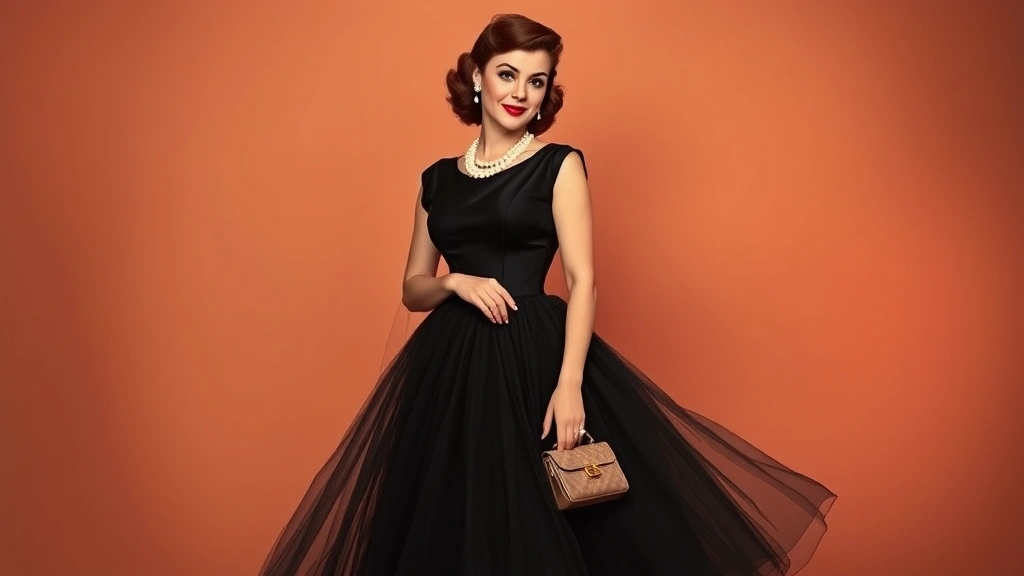
Jewelry reflected the era’s love of sparkle and femininity. Pearls dominated, appearing in necklaces, bracelets, earrings, and brooches. The classic pearl necklace, often worn in multiple strands, became a staple of refined dressing. Costume jewelry flourished, offering affordable options for fashion-conscious women. Brooches served both decorative and practical purposes, often featuring elaborate designs with rhinestones, enamel, and precious metals. Clip earrings were standard, as pierced ears were not yet widely fashionable.
Hair and makeup standards complemented the overall aesthetic. The iconic 1950s hairstyle featured soft waves, often achieved through pin curls or professional setting. Hair was typically worn shorter than in previous decades, with popular styles including the pageboy bob, victory rolls, and elaborate updos. Makeup emphasized eyes and lips, with winged eyeliner, heavily applied mascara, and bold lip colors in reds, pinks, and corals. The beauty standard emphasized an almost doll-like appearance, with perfectly coiffed hair, flawless skin, and coordinated makeup.
Hosiery was another essential element, with nylon stockings becoming increasingly popular. These stockings often featured seams running up the back, a detail that required careful application and maintenance. Stockings were held up with garter belts worn beneath skirts, and the visible seam became a sign of careful grooming and attention to detail. The nude or beige tones of stockings created the appearance of long, elongated legs, contributing to the overall silhouette.
Cultural Icons and Influencers
Hollywood played an enormous role in popularizing 1950s fashion trends. Actresses like Audrey Hepburn epitomized elegance and sophistication, with her roles in films like “Breakfast at Tiffany’s” and “Roman Holiday” establishing aesthetic standards that women aspired to emulate. Her collaboration with designer Givenchy created iconic looks that remain influential today. Grace Kelly’s refined, understated elegance represented old-money sophistication, while her transition to royalty elevated fashion consciousness globally.
Marilyn Monroe represented a different aspect of 1950s femininity, embodying glamour and sensuality. Her famous white halter dress from “The Seven Year Itch” became one of cinema’s most iconic fashion moments. Monroe’s curvy figure and bold styling challenged traditional notions of propriety while celebrating female sexuality through fashion. Her influence extended to everyday women who attempted to replicate her platinum blonde hair, red lips, and figure-hugging silhouettes.
Elizabeth Taylor brought dramatic glamour to 1950s fashion, often wearing elaborate gowns and bold jewelry. Her role in “Giant” and other films showcased luxurious fabrics, rich colors, and statement accessories. Taylor’s willingness to wear dramatic makeup, bold colors, and elaborate jewelry influenced fashion-forward women who wanted to make bold statements through dress.
Beyond Hollywood, fashion designers played crucial roles in establishing trends. Vogue magazine served as the authoritative voice in fashion, featuring editorial spreads that dictated what was fashionable and desirable. Designers like Christian Dior, with his revolutionary New Look silhouette, shaped the decade’s aesthetic. Coco Chanel continued her influence with refined, wearable designs, while emerging designers pushed boundaries and experimented with new silhouettes.
The rise of teenage fashion represented a significant cultural shift. Young women began developing distinct fashion preferences separate from their mothers, creating the rebellious aesthetic associated with rock and roll culture. Poodle skirts, saddle shoes, and leather jackets represented youthful rebellion, offering an alternative to the conservative styles favored by older generations. This generational divide in fashion taste reflected broader social changes occurring throughout the decade.
Understanding these cultural influences helps contemporary enthusiasts appreciate why certain pieces and styles became iconic. Fashion doesn’t exist in a vacuum; it reflects and responds to cultural moments, social values, and influential figures. The 1950s fashion landscape was shaped by post-war optimism, technological advancement, and the emergence of youth culture as a distinct market segment.
Styling 50s Fashion for Modern Wardrobes
Incorporating 1950s fashion into contemporary wardrobes requires thoughtful curation and styling. The key is selecting pieces that align with current aesthetics while celebrating the vintage era’s defining characteristics. Full skirts remain popular in modern fashion, though contemporary versions often feature slightly shorter hemlines or modified silhouettes that feel current rather than costume-like.
One approach involves mixing vintage pieces with contemporary basics. A 1950s full skirt paired with a simple white t-shirt and modern sneakers creates an interesting juxtaposition that feels fresh and intentional rather than overly nostalgic. Adding contemporary accessories like minimalist jewelry, structured handbags, or bold sunglasses updates the look while honoring the vintage piece’s integrity.
For those interested in finding personal style through vintage pieces, 1950s fashion offers numerous options. The era’s emphasis on fit and silhouette means that well-chosen vintage pieces can be incredibly flattering when properly fitted. A tailored 1950s dress, adjusted to fit contemporary proportions, creates a polished, sophisticated appearance that works for various occasions.
Creating a cohesive 1950s-inspired look requires understanding the era’s aesthetic principles rather than simply collecting random vintage pieces. Focus on the silhouette—fitted bodices, defined waistlines, and voluminous skirts—and seek pieces that exemplify these characteristics. Coordinate colors thoughtfully, choosing palettes that feel intentional rather than random. Pair vintage pieces with contemporary elements that feel authentic to your personal style.
Professional settings can incorporate 1950s elements through tailored pencil skirts, fitted cardigans, and structured dresses. These pieces offer sophistication and polish while remaining appropriate for workplace environments. Evening wear benefits from the era’s emphasis on drama and glamour; a 1950s-inspired gown or dress creates an unforgettable impression at formal occasions.
Casual styling might incorporate poodle skirts, full-skirted dresses, or saddle shoes in playful, intentional ways. Pairing vintage pieces with modern accessories and contemporary styling prevents the look from feeling like a costume. The goal is celebrating the era’s design principles while maintaining a contemporary sensibility that feels authentic to current fashion.
When exploring fashion blogs and resources, you’ll find countless inspiration for incorporating vintage pieces into modern wardrobes. Contemporary fashion bloggers and stylists frequently reference 1950s aesthetics, demonstrating how to balance vintage and modern elements effectively.
Shopping Guide for Vintage Pieces
Finding authentic 1950s fashion requires knowledge about where to shop and what to look for. Vintage boutiques specialize in authentic pieces from specific eras, with knowledgeable staff who can provide information about garment construction, provenance, and condition. These shops typically price items based on authenticity, rarity, and condition, making them ideal for serious collectors willing to invest in quality pieces.
Online marketplaces like Etsy, Vestiaire Collective, and specialized vintage fashion sites offer extensive selections from sellers worldwide. These platforms allow you to search by specific criteria—era, size, color, garment type—making it easier to find particular pieces. However, purchasing online requires careful attention to descriptions, measurements, and seller reviews to ensure authenticity and condition.
Estate sales and auctions occasionally feature 1950s fashion pieces, particularly from private collections. These venues offer opportunities to find rare, high-quality items, though you must inspect pieces carefully and understand return policies before purchasing. Auction houses specializing in fashion often provide detailed condition reports and provenance information.
When shopping for vintage 1950s pieces, examine construction carefully. Authentic pieces feature quality seaming, finished hems, and appropriate closures for the era. Check for original labels, which help date garments and verify authenticity. Examine fabrics for signs of wear, damage, or deterioration. Stains, tears, or weakened seams should be factored into pricing and your decision to purchase.
Size considerations are crucial when shopping for vintage fashion. 1950s sizing differs significantly from contemporary standards, with garments typically running smaller than modern equivalents. Always check measurements rather than relying on labeled sizes. Seek pieces that fit well in the shoulders and bust, as these areas are difficult to alter. Waistbands and hem lengths are more easily adjusted, making these less critical fit factors.
Budget considerations should guide your collecting. Rare designer pieces and exceptional examples command higher prices, while everyday garments and common styles are more affordable. Starting with lower-priced pieces allows you to learn about construction, fabrics, and fit before investing in premium items. Building a collection gradually lets you develop expertise and refine your collecting focus.
For those interested in fashion design and historical study, investing in quality vintage pieces offers educational value beyond mere fashion. Studying construction techniques, fabric choices, and design details from original pieces provides insights that books and photographs cannot convey.
Consider care and storage when acquiring vintage pieces. Proper storage in cool, dry environments with appropriate hangers and preservation materials helps maintain garment condition. Many vintage enthusiasts invest in professional cleaning and minor repairs to restore pieces while maintaining their vintage character. Understanding fabric-specific care requirements ensures your collection remains wearable and beautiful for years to come.
Authentication becomes increasingly important as vintage 1950s fashion gains popularity. Familiarize yourself with period-appropriate details, construction methods, and label styles. Learn to recognize reproductions and inspired-by designs that mimic vintage aesthetics without being authentically vintage. This knowledge protects your investment and ensures you’re purchasing genuine pieces.
FAQ
What are the most iconic 1950s women’s fashion pieces?
The most iconic pieces include full-skirted dresses, poodle skirts, pencil skirts, twin sets, shirtwaist dresses, and structured handbags. These items exemplify the era’s emphasis on femininity, defined silhouettes, and careful tailoring. Each piece can be styled in various ways, from casual to formal occasions.
How do I style 1950s fashion without looking like I’m wearing a costume?
Mix vintage pieces with contemporary basics and accessories. Pair a 1950s skirt with a modern top and current shoes. Use contemporary jewelry and handbags to update the look. The key is intentional styling that balances vintage elements with modern sensibility, creating cohesive outfits that feel authentic rather than theatrical.
What fabrics were commonly used in 1950s fashion?
Common fabrics included cotton for everyday wear, wool for structured pieces, silk and satin for formal wear, and synthetic materials like nylon, rayon, and early polyesters. Taffeta, velvet, lace, and tulle appeared frequently in special occasion pieces. Understanding fabric choices helps identify authentic vintage pieces and appreciate construction techniques.
Where can I find authentic 1950s fashion pieces?
Vintage boutiques, specialized online platforms like Etsy, estate sales, auctions, and antique markets are excellent sources. Examine construction carefully, verify labels and provenance, and check measurements before purchasing. Building relationships with reputable dealers ensures access to quality pieces and reliable authentication.
How do I care for vintage 1950s garments?
Store pieces in cool, dry environments using appropriate hangers and preservation materials. Hand wash delicate items or use gentle dry cleaning methods. Address stains and minor damage promptly to prevent deterioration. Research fabric-specific care requirements and consider professional restoration for valuable pieces. Proper care maintains garment condition and wearability.
What’s the difference between authentic 1950s fashion and reproductions?
Authentic pieces feature construction methods, fabrics, and details appropriate to the era, with original labels and appropriate wear patterns. Reproductions mimic vintage aesthetics using contemporary construction and materials. Educating yourself about period-appropriate details, label styles, and construction techniques helps distinguish genuine pieces from inspired-by designs.
Can I wear 1950s fashion to professional settings?
Absolutely. Tailored pencil skirts, fitted cardigans, structured dresses, and sophisticated silhouettes work beautifully in professional environments. Choose pieces in neutral colors and refined fabrics that communicate competence and polish. Pair vintage pieces with contemporary accessories for a modern professional aesthetic.
How do sizing and fit work with vintage 1950s pieces?
1950s sizing differs significantly from contemporary standards, typically running smaller. Always check measurements rather than labeled sizes. Fit is most critical in shoulders and bust, which are difficult to alter. Seek pieces that fit well in these areas, accepting that waistbands and hems can be adjusted more easily.
What role did Hollywood play in popularizing 1950s fashion?
Hollywood was instrumental in establishing fashion trends. Actresses like Audrey Hepburn, Marilyn Monroe, and Elizabeth Taylor influenced what women wore through their film roles and public appearances. Fashion magazines featured these actresses, and women emulated their styles. This relationship between cinema and fashion shaped the decade’s aesthetic significantly.
Are 1950s fashion pieces good investments?
Quality vintage pieces, particularly from notable designers or featuring exceptional construction, can appreciate in value. Rare garments, pieces in excellent condition, and items with fashion significance tend to hold or increase value. However, vintage fashion should be purchased primarily for enjoyment; financial return is a secondary consideration. Proper care and storage help maintain investment value.