1950s Men’s Fashion: Vintage Style Guide
The 1950s represents one of the most iconic and aspirational decades in men’s fashion history. This era witnessed a remarkable transformation in masculine style, where tailored silhouettes, bold colors, and rebellious youth culture collided to create an enduring aesthetic that continues to influence contemporary design. From the polished sophistication of business attire to the leather-jacketed cool of James Dean, 1950s men’s fashion embodied a unique blend of post-war optimism, emerging consumerism, and youthful defiance that still captivates style enthusiasts today.
Understanding 1950s menswear is essential for anyone seeking to find their personal style or incorporate vintage elements into a modern wardrobe. The decade’s fashion codes were remarkably distinct, with clear demarcations between formal wear, casual attire, and the revolutionary casual-wear movement that would reshape men’s fashion forever. Whether you’re interested in recreating authentic vintage looks or simply drawing inspiration from this transformative period, this comprehensive guide explores every facet of 1950s men’s fashion.
The Silhouette: Structure and Tailoring
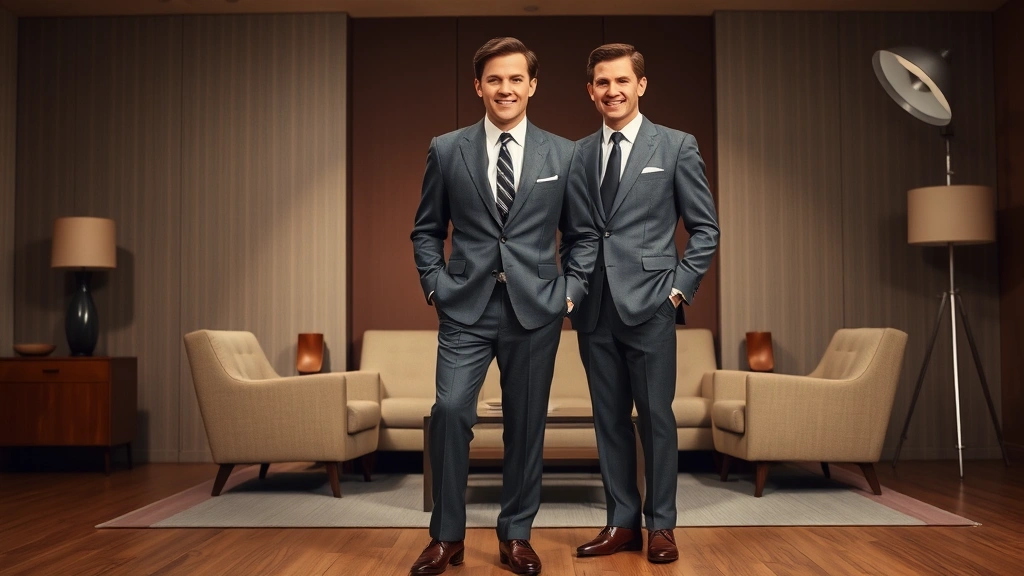
The foundation of 1950s men’s fashion rested upon impeccable tailoring and structured silhouettes that emphasized broad shoulders, a defined waistline, and a streamlined leg. This era celebrated masculine proportion through architectural construction rather than excessive fabric. Suits featured high button stances, with jackets typically buttoned at the middle or higher, creating an elongated torso that conveyed authority and sophistication. The shoulders were naturally broad but not exaggerated, representing a departure from the more pronounced shoulders of the 1940s while maintaining masculine definition.
Jackets during this period typically featured a slight nip at the waist, creating a structured silhouette that flattered the male form without appearing fitted or feminine. Lapels were of moderate width, neither too narrow nor too wide, and often featured notch or peak styles depending on the formality of the occasion. The chest was typically unpadded or minimally padded, allowing the natural frame to provide structure. Trousers were characteristically high-waisted, sitting at the natural waist rather than below the hip as in contemporary menswear, with a gentle taper that created a refined line through the leg. This StyleLoom Daily Blog explores how these proportions remain relevant to modern style.
The construction methods of 1950s tailoring emphasized quality and durability. Full canvassing in jacket fronts, hand-stitched lapels, and carefully balanced seams were standard in quality menswear. This commitment to craftsmanship created garments that not only looked exceptional but also maintained their structure through years of wear. The investment in proper tailoring reflected the post-war prosperity and the cultural emphasis on respectability and professional presentation.
Iconic Suits and Formal Wear
The business suit was the cornerstone of 1950s men’s fashion, representing professionalism, ambition, and social status. Two-piece suits dominated corporate America, with three-piece suits reserved for more formal occasions or conservative industries. Navy, charcoal gray, and medium gray were the foundational colors, though the 1950s also introduced bolder hues like burgundy, forest green, and even powder blue for more adventurous dressers. Single-breasted jackets with two or three buttons were standard, though double-breasted styles maintained presence in certain regions and industries.
Formal evening wear during the 1950s maintained many traditional conventions while incorporating subtle modernizations. Tuxedos featured notch lapels or shawl collars, typically in black or midnight blue, with satin or grosgrain trim on the lapels and trouser seams. White dress shirts with pleated fronts or subtle pique details were paired with bow ties in black, white, or coordinating colors. The formality of black-tie events was taken seriously, with strict adherence to dress codes that would seem rigid by contemporary standards but represented the aspirational nature of mid-century style.
Day suits for professional and social occasions came in various weights and weaves appropriate to seasonal changes. Summer suits were crafted from lightweight wool, cotton, or linen blends, often in lighter shades like tan, cream, or pale gray. Winter suits employed heavier woolens, sometimes with subtle patterns like herringbone or glen check. Sport coats offered versatility, allowing men to mix and match with different trousers for a broader range of outfit combinations. This Fashion Style Guide discusses how layering and versatility remain essential to timeless menswear.
Casual Wear and Everyday Style
The 1950s witnessed a revolutionary shift in casual menswear, as post-war prosperity enabled men to maintain multiple wardrobes for different contexts. Casual wear became increasingly important as weekend culture and leisure activities gained prominence. The Hawaiian shirt emerged as a symbol of relaxed sophistication, featuring bold prints, vibrant colors, and boxy, untucked silhouettes that represented a departure from formal tailoring. These shirts were often worn with linen trousers or cotton khakis, creating an effortlessly cool aesthetic that influenced contemporary resort wear.
Bowling shirts and gabardine jackets became iconic symbols of casual 1950s style, often featuring contrasting panels, embroidered details, or two-tone constructions. These garments represented the era’s fascination with Americana and emerging youth culture. Worn with flat-front trousers and simple leather shoes, they created a look that was both approachable and distinctly stylish. The popularity of these pieces reflected the growth of recreational activities and the cultural shift toward valuing leisure time.
T-shirts and plain cotton knits became staples of casual wear, though they were typically worn as layering pieces under open shirts rather than as standalone garments as they are today. The simple white t-shirt gained iconic status through cultural references and represented an understated masculinity that contrasted with more elaborate formal wear. Cardigans and lightweight sweaters provided additional layering options, often featuring simple geometric patterns or solid colors that complemented the era’s aesthetic sensibilities.
The Rebel Look: James Dean and Youth Culture
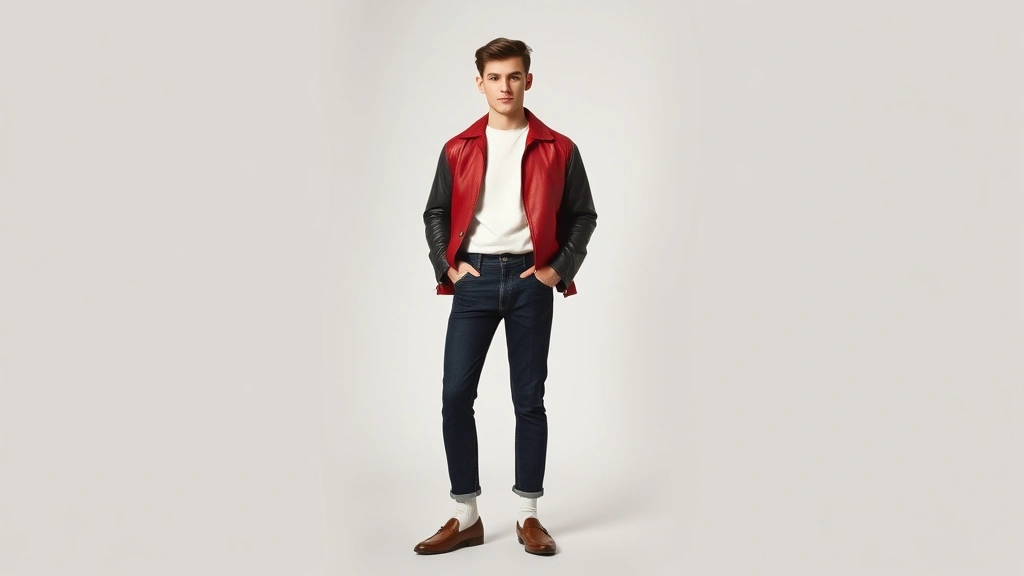
The emergence of youth culture as a distinct demographic force fundamentally altered 1950s menswear, with film and music creating new style icons that challenged established fashion conventions. James Dean’s iconic portrayal in “Rebel Without a Cause” introduced a casual rebellion that resonated with young men seeking to express individuality within a conformist society. The red jacket, white t-shirt, and jeans combination became emblematic of youthful defiance, though this look represented just one facet of the broader youth style movement.
Denim jeans, previously associated with workwear and considered inappropriate for polite society, became fashionable through their association with youth culture and film. The raw, unwashed denim look represented authenticity and rebellion, though wearing jeans to school or social events often resulted in disciplinary action. Young men rolled the cuffs, wore them with white socks and penny loafers, or paired them with leather jackets and motorcycle boots for a more dangerous aesthetic. This transformation of jeans from utilitarian garment to fashion statement proved to be one of the most significant developments in twentieth-century menswear.
Leather jackets gained iconic status through similar cultural associations, particularly with motorcycle culture and film. The Perfecto-style jacket, with its asymmetrical zipper and wide lapels, became the quintessential rebellious garment. Worn with jeans, white t-shirts, and boots, the leather jacket created a look that was simultaneously threatening and seductive, appealing to young men seeking to express nonconformity. This aesthetic influenced countless subsequent fashion movements and remains a staple of contemporary menswear, demonstrating the lasting impact of 1950s youth culture on fashion.
Accessories and Details
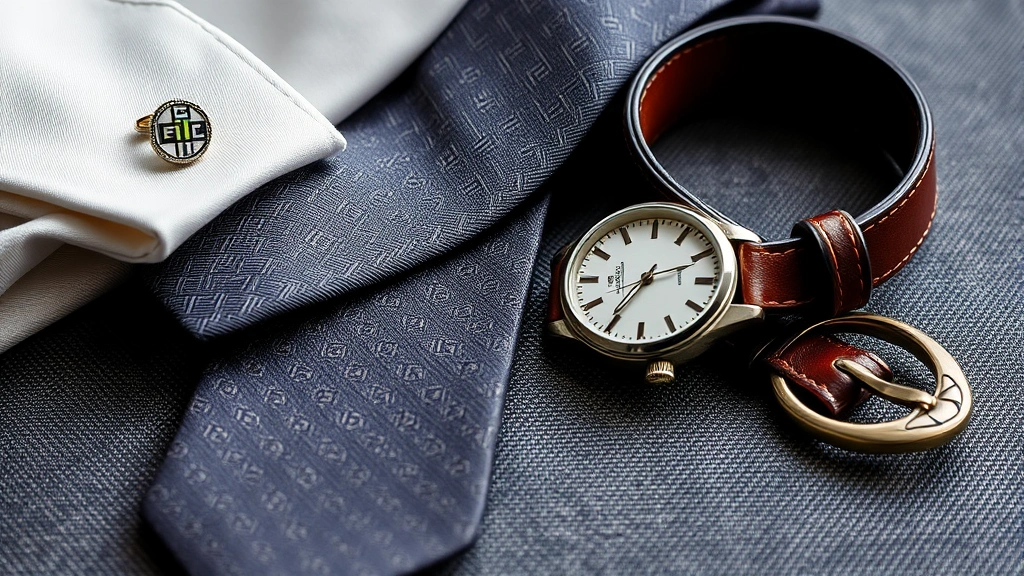
Accessories in 1950s menswear were never merely decorative; they served as essential components of a complete look and often indicated social status, profession, or personal taste. Ties were particularly important, with narrow widths (approximately 2.5 to 3 inches), pointed tips, and bold patterns or solid colors dominating the decade. Diagonal stripes, geometric patterns, and novelty prints featuring everything from cocktails to atomic symbols reflected the era’s optimistic modernism. Tie clips and bars kept ties in place, serving both functional and decorative purposes, often crafted from precious metals or featuring decorative designs.
Pocket squares became an art form during the 1950s, with men carefully folding them into their suit jacket breast pockets in specific ways that communicated style awareness. The classic “TV fold,” where the square was folded into a rectangular shape with a small point visible, remained popular, though more elaborate folds and color combinations allowed for personal expression. Cufflinks held particular significance, with men often receiving heirloom pieces or selecting designs that reflected their profession or interests. These small details accumulated to create a comprehensive aesthetic that communicated attention to grooming and style.
Hats remained essential to 1950s menswear, with fedoras, homburgs, and Stetson-style cowboy hats serving both practical and stylistic purposes. The fedora, with its grosgrain ribbon band, represented classic masculinity and professional respectability. Younger men and those seeking a more casual aesthetic might wear baseball caps or flat caps, though hats of some kind remained virtually universal for any public appearance. The decline of hat-wearing in subsequent decades represents one of the most significant shifts in menswear conventions.
Belts were typically wide leather constructions, often with substantial buckles that could feature decorative elements or personalization. These belts served functional purposes while contributing to the overall silhouette by helping to define the waistline. Suspenders, though less visible, remained common for holding up high-waisted trousers, particularly among older or more conservative dressers. The interplay between visible and hidden accessories created layers of sophistication that rewarded careful observation.
Colors and Patterns
The 1950s color palette for menswear balanced conservative neutrals with increasingly bold and experimental hues, reflecting the era’s cultural optimism and emerging consumer culture. Traditional business wear maintained its reliance on navy, charcoal, medium gray, and black, ensuring professional respectability. However, casual wear and youth fashion embraced brighter colors and more adventurous combinations that would have been unthinkable in earlier decades. Pastel shades like powder blue, mint green, and soft pink appeared in casual shirts and summer wear, representing a departure from the austere masculinity of previous eras.
Patterns in 1950s menswear ranged from subtle to bold, depending on the context and the wearer’s confidence. Herringbone, glen check, and subtle houndstooth patterns appeared in business suits, providing visual interest without disrupting professional propriety. Novelty prints and bold geometric patterns dominated casual wear and youth fashion, with atomic starbursts, boomerang shapes, and retro-futuristic designs reflecting the era’s fascination with technology and space exploration. Bowling shirts featured two-tone or three-tone color combinations with contrasting panels and embroidered details that created striking visual statements.
Plaid and tartan patterns appeared frequently in casual wear, particularly in shirts and lightweight jackets. The Hawaiian shirt’s bold tropical prints represented one of the most visually distinctive developments in 1950s menswear, celebrating the growing accessibility of leisure travel and the romantic appeal of exotic destinations. Stripes, both vertical and horizontal, appeared in various weights and color combinations, with thin stripes maintaining formality while bold stripes conveyed casual confidence. This exploration of color and pattern reflected the broader cultural shift toward individual expression within socially acceptable parameters.
Footwear Essentials
Shoes in 1950s menswear served crucial functions in completing outfits and communicating style awareness. Formal wear required traditional oxfords or derby shoes in black or dark brown leather, typically with a polished shine that demonstrated attention to grooming. The wingtip oxford, with its distinctive perforated cap toe and decorative stitching, offered slightly more visual interest while maintaining professional propriety. These shoes were crafted from quality leather and expected to be maintained through regular polishing and professional repair.
Loafers gained significant popularity during the 1950s, particularly among younger men and in casual contexts. The penny loafer, with its distinctive slot across the vamp, became iconic through its association with preppy style and Ivy League fashion. These shoes offered a middle ground between formal oxfords and purely casual sneakers, making them versatile enough for various social contexts. Slip-on construction and comfort made them practical choices for an increasingly casual society.
Casual shoes included canvas sneakers like Keds and Converse All-Stars, which appeared in white, black, and various colors. White socks paired with white sneakers became a standard casual look, particularly among younger men. Motorcycle boots and work boots represented the rebellious aesthetic, with their heavy construction and utilitarian appearance signaling a rejection of polished formality. Desert boots, with their crepe rubber soles and suede construction, offered comfort and a relaxed aesthetic that bridged formal and casual contexts.
Saddle shoes, with their distinctive two-tone leather construction, appeared frequently in youth fashion and casual contexts. These shoes, typically featuring white leather with brown or black leather panels, represented a playful approach to footwear that appealed to younger dressers. The decorative stitching and distinctive aesthetic made them memorable components of 1950s youth style, though they remained relatively niche compared to more conventional shoe styles.
Building Your 1950s Wardrobe
Incorporating 1950s menswear elements into a contemporary wardrobe requires careful consideration of context, proportion, and personal style preferences. Rather than attempting complete period recreation, most modern wearers benefit from selecting specific pieces that resonate with their aesthetic and lifestyle. Beginning with foundational pieces like well-tailored suits in classic colors provides versatility while establishing the silhouette and proportions that defined the era. A charcoal gray suit with a moderate button stance and slight waist suppression captures the essence of 1950s tailoring without appearing costume-like.
Incorporating vintage pieces requires attention to quality and condition. Authentic 1950s garments can be found through vintage retailers, estate sales, and online marketplaces, though prices for well-preserved pieces reflect their desirability. Understanding proper sizing is crucial, as vintage measurements differ significantly from contemporary standards. A 1950s size 40 suit may fit quite differently than a modern size 40, requiring careful measurement and professional tailoring to achieve proper fit.
Mixing vintage elements with contemporary pieces creates a balanced aesthetic that avoids costume appearance. Pairing a 1950s-inspired suit with modern shoes, contemporary eyewear, and current hairstyles anchors the look in the present while celebrating historical inspiration. This approach allows for creative expression while maintaining relevance to contemporary fashion contexts. Explore The Complete Fashion History Timeline to understand how 1950s style fits within broader fashion evolution.
Accessory selection provides opportunities for subtle nods to 1950s style without requiring complete wardrobe transformation. Vintage ties, pocket squares, and cufflinks from the era add authentic details that knowledgeable observers will recognize and appreciate. Modern reproductions of 1950s styles offer more affordable alternatives, with contemporary manufacturers creating pieces inspired by vintage originals using modern construction techniques and materials.
Understanding the context of 1950s menswear helps distinguish between authentic vintage style and mere costume. The decade’s fashion reflected specific social conditions, technological developments, and cultural values that informed design choices. Recreating authentic 1950s style requires understanding these contexts rather than simply assembling visually distinctive garments. This deeper knowledge enables more sophisticated and meaningful engagement with vintage style.
For those interested in comprehensive historical fashion knowledge, exploring 1950s Fashion and Poodle Skirts provides context for understanding how men’s fashion related to broader cultural movements. Similarly, examining 1940s Women’s Fashion helps understand how the preceding decade influenced 1950s style evolution across gender categories.
FAQ
What are the key characteristics of 1950s men’s fashion?
1950s men’s fashion emphasized structured tailoring, high-waisted trousers, broad shoulders, and defined waistlines. Key elements included well-fitted suits in neutral colors, bold casual wear, leather jackets, denim jeans, and careful attention to accessories. The decade witnessed a clear distinction between formal business wear and rebellious youth fashion, with both aesthetics becoming iconic.
How can I incorporate 1950s style into modern wardrobes?
Begin with foundational pieces like well-tailored suits in classic colors, then add 1950s-inspired elements through accessories, casual wear, or specific garments. Mixing vintage and contemporary pieces creates a balanced look that avoids appearing costume-like. Focus on silhouette and proportion rather than attempting complete period recreation.
Where can I find authentic 1950s menswear?
Authentic 1950s pieces are available through vintage retailers, estate sales, online marketplaces, and specialty vintage shops. Contemporary manufacturers also produce reproductions inspired by 1950s styles using modern construction techniques. Quality varies significantly, so careful inspection and understanding of sizing differences is essential.
What shoes were most popular in 1950s menswear?
Formal wear featured polished oxfords and wingtip shoes, while casual contexts included loafers, penny loafers, canvas sneakers, and motorcycle boots. Saddle shoes and desert boots offered alternatives that bridged formal and casual contexts. Footwear selection communicated social status and style awareness.
How did youth culture influence 1950s men’s fashion?
Youth culture introduced rebellious elements like leather jackets, denim jeans, and white t-shirts, challenging established fashion conventions. Film and music created new style icons whose aesthetic choices influenced millions of young men. This movement represented a fundamental shift in how fashion communicated identity and values.
What colors dominated 1950s menswear?
Business wear maintained traditional neutrals like navy, charcoal gray, and black, while casual wear embraced brighter colors including powder blue, mint green, and soft pink. Casual pieces featured bold patterns, novelty prints, and vibrant color combinations reflecting the era’s optimism and emerging consumer culture.