How to Nail 1950s Men’s Fashion? Expert Guide
The 1950s remains one of the most iconic decades for men’s fashion, representing a golden era of refined elegance, bold silhouettes, and timeless sophistication. Post-World War II prosperity brought a distinctive aesthetic that celebrated structure, precision tailoring, and a sense of polished masculinity. Whether you’re drawn to the sharp lines of classic suiting, the rebellious cool of greaser culture, or the preppy sophistication of Ivy League style, understanding how to authentically incorporate 1950s menswear into your modern wardrobe is an art form worth mastering.
This comprehensive guide explores the essential elements that defined 1950s men’s fashion, from fabric choices and color palettes to accessory styling and attitude. By learning the foundational principles of this transformative era, you’ll discover how to create authentic vintage-inspired looks that feel fresh and contemporary. The beauty of 1950s fashion lies in its versatility—whether you’re dressing for a formal occasion, casual weekend hangout, or themed event, there’s a 1950s aesthetic waiting to elevate your personal style.
Silhouettes and Cuts That Defined the Era
The 1950s silhouette for men was characterized by clean lines, structured shoulders, and a tailored fit that emphasized the torso while maintaining a masculine frame. Unlike the oversized trends of contemporary fashion, 1950s menswear celebrated precision construction where every seam, dart, and button placement served a purpose. The shoulders were naturally broad but not exaggerated, the waist was defined without appearing cinched, and trousers fell with a crisp crease that extended to impeccably polished shoes.
The most recognizable silhouette is the high-waisted trouser, typically sitting at or above the natural waist rather than the hip-hugging cuts we see today. These trousers featured a generous thigh through the seat with a gradual taper toward the ankle, creating an elegant elongated line. The front crease was sharp and pronounced, often achieved through meticulous pressing. Jacket lengths were slightly longer than modern standards, typically reaching the middle of the hand when arms are at rest, providing a balanced proportion with high-waisted trousers.
The drape suit emerged as a sophisticated alternative to more structured styles, featuring a more relaxed fit through the body while maintaining impeccable tailoring at the shoulders and collar. This style appealed to younger men and those seeking a slightly less formal appearance. The key distinction was the way fabric fell naturally from the shoulders, creating subtle folds and movement rather than a rigid silhouette. This innovation represented a bridge between traditional formal wear and the emerging casual aesthetic that would dominate later decades.
The Classic Suit: Core Foundation
No discussion of 1950s men’s fashion is complete without emphasizing the suit’s central role in masculine style. The suit wasn’t merely formal wear; it was the foundation of respectable dressing for virtually any occasion beyond casual weekend activities. Understanding suit construction from this era is crucial for anyone seeking to authentically embrace 1950s aesthetic.
The two-button suit dominated the 1950s landscape, featuring a higher button stance than contemporary suits. The top button sat approximately at the natural waist, with the second button positioned several inches below. This configuration created visual balance with high-waisted trousers and emphasized the chest and shoulders. Lapels were notched rather than peaked, maintaining a classic, approachable appearance that worked across various social contexts. The jacket body was constructed with a slight hourglass shape, achieved through careful pattern cutting and internal construction rather than aggressive tailoring.
Lapel width averaged 3 to 3.5 inches, providing substantial framing for the face and chest without appearing theatrical. The jacket featured a single vent in the center back, allowing for movement while maintaining a streamlined silhouette. Pockets were typically jetted rather than patch pockets, adding refinement and maintaining the suit’s clean lines. The collar sat close to the neck, and shirt collar points were positioned to align precisely with the jacket’s lapels—a detail that separated expertly tailored suits from lesser constructions.
Vests, or waistcoats, were essential components of formal 1950s dressing, particularly for business and evening occasions. The three-piece suit represented the height of sophisticated menswear, with the vest serving both functional and aesthetic purposes. Vests featured a V-neckline that created an elegant frame for the dress shirt and necktie, while internally constructed pockets provided practical storage without visible bulk. The vest’s length extended to approximately the natural waistline, never extending below the trouser waistband.
Fabric selection for 1950s suits emphasized natural fibers, with wool being the predominant choice. Worsted wool provided structure and a refined drape, while tweed offered texture and visual interest for more casual business suits. Weight and weave varied by season—lightweight wools for summer, heavier cloths for autumn and winter. Gabardine, a tightly woven worsted fabric, became increasingly popular for its durability and resistance to wrinkling, making it practical for working professionals.
Colors and Fabrics of the Fifties
The 1950s color palette for men’s fashion was distinctly conservative by modern standards, yet within this restraint existed subtle sophistication and occasional bold choices. Navy blue reigned as the most versatile and respected color, suitable for virtually any occasion from business meetings to formal events. Gray, in various shades from charcoal to light heather, provided equally essential options for professional and social contexts. These neutral foundations allowed accessories and shirt choices to provide visual interest without appearing loud or attention-seeking.
Earth tones and warm hues gained popularity as the decade progressed, with brown, tan, and olive appearing in business suits, particularly for less formal professional environments. Burgundy, forest green, and deep plum emerged in evening wear and special occasion suits, offering wealthy men opportunities for subtle color expression. Black remained strictly formal, reserved for tuxedos and the most formal evening occasions rather than business wear.
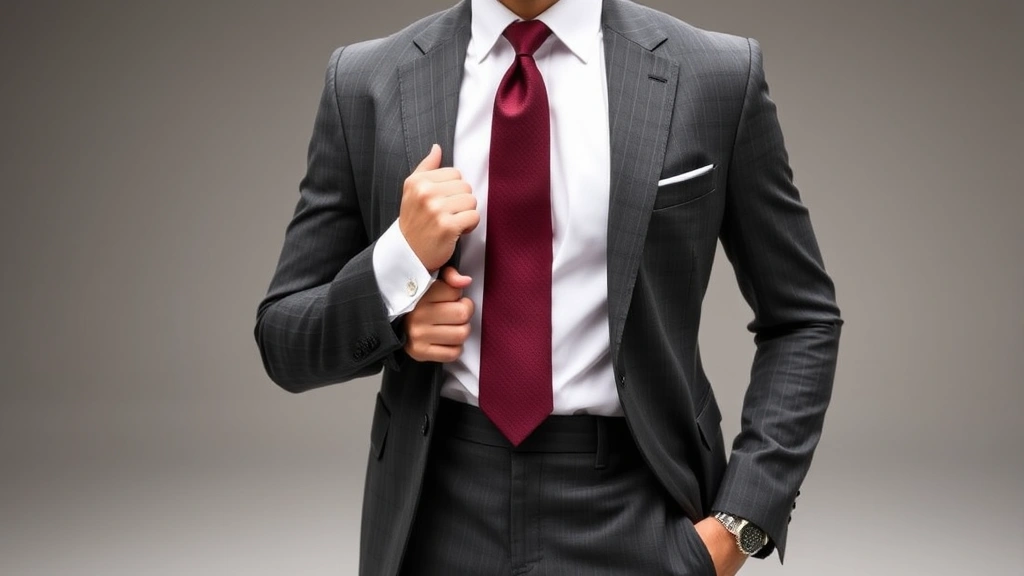
Patterns in 1950s menswear followed strict guidelines. Subtle glen checks, windowpane patterns, and pinstripes added visual texture without appearing ostentatious. The pinstripe, typically 1/8 inch in width with significant spacing between lines, created a refined vertical emphasis that elongated the silhouette. Glen checks combined multiple colors in small geometric patterns, offering visual interest while maintaining professional propriety. Herringbone weaves provided texture through construction rather than applied pattern, creating sophistication through subtlety.
Solid fabrics dominated professional and formal contexts, emphasizing the importance of quality construction and fit rather than surface decoration. When patterns appeared, they were integrated into the fabric through weaving techniques rather than applied prints. This approach reflected the era’s philosophy that true elegance emerged from fine materials and expert craftsmanship rather than obvious decorative elements. Learn more about fashion history and how different eras shaped contemporary style.
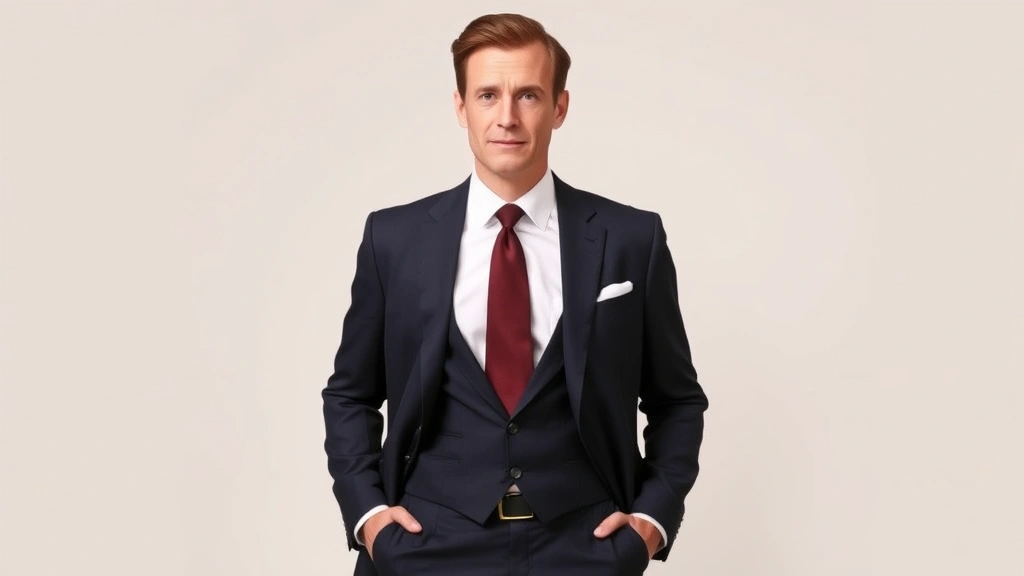
” alt=”Man in tailored 1950s navy suit with crisp white dress shirt, burgundy necktie, and polished oxford shoes standing against neutral background with confident posture.”>
Casual Wear and Everyday Style
Beyond formal suiting, 1950s men’s casual fashion encompassed distinctive styles that varied by social context and age group. The sport coat and trousers combination provided the bridge between formal and casual dressing, allowing men to appear polished without the formality of a full suit. Sport coats featured more texture than dress jackets, often constructed from tweeds, hopsack, or other structured fabrics that showed character through weave patterns.
Polo shirts and button-up casual shirts formed the foundation of weekend and leisure wear, with polo shirts gaining particular prominence through their association with golf and country club culture. These shirts featured ribbed knit collars and cuffs, typically in solid colors or subtle patterns. The fit was relatively close to the body, emphasizing the chest and shoulders without appearing tight. Short sleeves dominated warm weather, while long-sleeved versions provided versatility for cooler seasons.
The bowling shirt, or Cuban shirt, represented a more daring casual choice, featuring bold colors, contrasting panels, and camp-inspired styling. These rayon shirts featured exaggerated proportions and dramatic color combinations, often paired with solid trousers for a cohesive look. While not universally adopted, bowling shirts captured the era’s spirit of youthful rebellion and represented an accessible entry point for men seeking to express personality through fashion.
Denim represented working-class authenticity and youth culture, with jeans becoming increasingly popular among younger men despite remaining somewhat controversial in formal settings. Raw indigo denim featured a heavy weight and dark color that gradually faded with wear, creating personalized wear patterns. Worn with white t-shirts or casual button-ups, jeans offered practical durability and a rebellious aesthetic that appealed to teenagers and young adults. The association between jeans and movie icons like James Dean amplified their cultural significance beyond purely utilitarian origins.
Cardigans and sweaters provided layering options for transitional seasons and casual settings. V-neck cardigans in wool offered versatility, pairing well with dress shirts and ties for semi-formal contexts or worn over casual t-shirts for relaxed weekends. Crew-neck sweaters provided similar functionality with a slightly less formal appearance. These pieces were typically solid colors or featured subtle geometric patterns integrated into the knit construction.
Accessories and Grooming Essentials
Accessories in 1950s menswear served both functional and aesthetic purposes, with each piece carefully selected to complement the overall ensemble. The necktie was absolutely essential to professional and formal dressing, with width averaging 3 to 4 inches—significantly wider than contemporary neckties. Silk ties in solid colors, subtle patterns, and occasionally bold prints provided the primary opportunity for personality expression within conservative professional contexts. Diagonal stripes, geometric patterns, and abstract designs allowed men to signal taste and individuality while maintaining overall propriety.
Pocket squares represented a sophisticated detail that separated expertly dressed men from those merely wearing clothes. Silk squares, often in complementary colors to the necktie, were folded into a simple triangle and placed in the jacket’s breast pocket with approximately half an inch of fabric visible. The pocket square served no functional purpose, making it a pure expression of sartorial confidence and attention to detail. Matching the square to the tie was considered less sophisticated than selecting a complementary but distinct color or pattern.
Cufflinks held particular significance in 1950s formal dressing, representing wealth and attention to detail. These small jewelry pieces fastened the cuffs of dress shirts, available in gold, silver, enamel, and gemstone variations. More conservative designs featured simple geometric shapes, while elaborate versions incorporated family crests, initials, or decorative motifs. The selection and display of cufflinks communicated social status and personal taste to those knowledgeable about sartorial codes.
Watches occupied a central role in masculine accessory styling, with wrist watches replacing pocket watches as the standard timepiece. Classic designs from manufacturers like Rolex, Omega, and Hamilton featured clean faces with minimal decoration, leather straps, and metal cases in gold or silver. The watch served as jewelry, practical tool, and status symbol simultaneously, with certain models becoming cultural icons associated with specific professions or social circles.
Footwear demanded meticulous attention, with oxford shoes representing the formal standard and loafers providing slightly more casual alternatives. Oxfords featured closed lacing systems with a sleek profile, typically constructed from polished leather in black or brown. Loafers, inspired by boat shoes and Norwegian design, featured slip-on construction with decorative leather straps across the vamp. Both styles emphasized quality leather, expert craftsmanship, and rigorous maintenance through regular polishing.
Belts were functional necessities that nonetheless contributed to overall aesthetic. Leather belts in black or brown featured simple buckles, often in silver or gold metal. Decorative elements were minimal, allowing the belt to serve as a neutral connector between jacket and trousers. Quality leather and proper fit were essential, with the belt width typically matching trouser waistband proportions for visual harmony.
Hats represented a crucial element of complete 1950s masculine dressing, with fedoras and homburgs serving as the standard for formal and professional occasions. These felt hats featured structured crowns and brims, typically in charcoal, navy, or brown. The fedora’s more relaxed crown and angled brim contrasted with the homburg’s more formal structured appearance. Trilbies provided a slightly less formal option with a shorter brim, while porkpie hats offered distinctive styling for men seeking to signal particular affiliations or subcultures. Check out our guide on finding your personal style to understand how accessories contribute to overall identity.
Subcultures and Alternative Looks
While mainstream 1950s menswear emphasized conformity and conservative elegance, distinct subcultures developed their own distinctive aesthetics that challenged prevailing norms. The greaser aesthetic emerged from working-class youth culture, characterized by leather jackets, tight t-shirts, slicked-back hair, and an attitude of rebellion. This look drew inspiration from motorcycle culture and represented a deliberate rejection of mainstream fashion’s emphasis on structured suits and conservative styling. Leather jackets, often motorcycle-inspired with minimal ornamentation, became iconic symbols of youth rebellion and cultural dissent.
The Ivy League preppy aesthetic represented the opposite end of the spectrum, emphasizing heritage, tradition, and elite education. This style featured button-down collar shirts, cable-knit sweaters, khaki trousers, and loafers—a distinctly American interpretation of casual sophistication. Influenced by Ivy League universities and country club culture, this aesthetic emphasized quality natural fibers, classic cuts, and a studied nonchalance that suggested effortless elegance. The preppy look would profoundly influence men’s fashion for decades to come, establishing templates that remain relevant today.
The rockabilly aesthetic combined elements of country and rock and roll, featuring bold colors, distinctive patterns, and an energetic attitude. Rockabilly enthusiasts wore colorful shirts with abstract patterns, high-waisted trousers, and suede shoes with crepe soles. The look emphasized visual excitement and youthful exuberance, representing a fusion of American country traditions and emerging rock and roll culture. This subculture attracted musicians and performers seeking to differentiate themselves from mainstream fashion.
The mod aesthetic, though more prominent in the 1960s, began emerging in the mid-1950s among British youth. This style emphasized clean lines, bold colors, and graphic patterns, featuring tailored suits with shorter jackets and narrower trousers than traditional 1950s styling. Mods represented a modernist philosophy that rejected both greaser rebellion and preppy tradition, instead embracing contemporary design and forward-thinking aesthetics.
Integrating Vintage into Modern Wardrobes
Successfully incorporating 1950s menswear into contemporary fashion requires understanding which elements remain timeless and which require thoughtful adaptation for modern contexts. The well-tailored suit remains eternally relevant, though contemporary cuts feature slightly lower button stances and more relaxed proportions than authentic 1950s versions. Selecting 1950s-inspired suiting allows you to honor the era’s craftsmanship and elegance while maintaining contemporary wearability.
High-waisted trousers have returned to fashion prominence, making 1950s trouser styling increasingly accessible and appropriate. Pairing vintage-inspired high-waisted trousers with contemporary shirts and accessories creates anachronistic interest without appearing costumish. The key is balancing vintage elements with modern pieces—a 1950s suit jacket paired with contemporary casual wear, or vintage trousers styled with modern streetwear sensibilities.
Accessories provide accessible entry points for 1950s styling without requiring complete wardrobe overhauls. A silk pocket square, quality leather belt, or vintage-inspired fedora immediately signals sartorial awareness and connects your contemporary outfit to 1950s traditions. These pieces allow you to express appreciation for the era’s aesthetic while maintaining overall modern coherence.
Color blocking and pattern mixing, while more prominent in contemporary fashion than 1950s formality, can incorporate vintage inspiration through careful selection. A solid color 1950s-inspired suit paired with a bold patterned contemporary shirt creates visual interest while honoring both eras’ sensibilities. The key is ensuring that your reference to 1950s styling feels intentional rather than accidental or costume-like.
Footwear bridges vintage and contemporary aesthetics effectively, with oxford shoes and loafers remaining culturally relevant. Selecting quality leather versions in classic colors ensures that your shoes honor 1950s traditions while functioning within modern wardrobes. Polished leather and attention to shoe maintenance signal the same values of quality and care that defined 1950s masculine dressing.
Understanding how different fashion eras have evolved helps contextualize 1950s menswear within broader fashion history. Each decade builds upon previous traditions while introducing novel elements, creating a rich tapestry of stylistic evolution. By studying multiple eras, you develop deeper understanding of how fashion communicates values, aspirations, and cultural moments.
The grooming standards of the 1950s remain largely contemporary, with emphasis on clean lines, regular maintenance, and attention to detail. Slicked-back hair, while less universally adopted than during the 1950s, remains a valid styling choice that immediately evokes the era’s aesthetic. Regular barber visits, quality grooming products, and meticulous personal presentation honor the 1950s philosophy that masculine elegance required consistent attention and care.
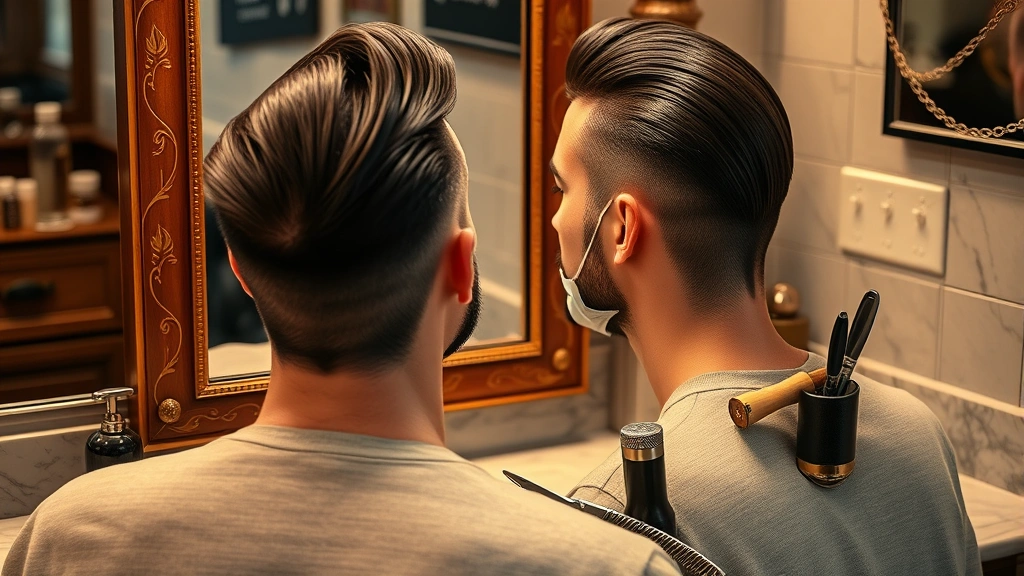
” alt=”Vintage-inspired grooming scene featuring slicked-back hair, close shave, leather-bound mirror, and classic barbershop tools arranged on marble countertop with warm lighting.”>
Developing your personal 1950s-inspired aesthetic requires understanding your own lifestyle and preferences while honoring the era’s core principles. If your professional context permits, incorporating vintage-inspired suiting establishes sartorial credibility and signals respect for craftsmanship traditions. If your lifestyle emphasizes casual dressing, selective accessory choices and careful fabric selection can evoke 1950s sensibilities without requiring formal attire. For those interested in deeper engagement with vintage fashion, explore fashion design education to understand construction principles that underpin vintage menswear.
The philosophy underlying 1950s menswear—that quality materials, expert construction, and careful maintenance demonstrate respect for oneself and others—transcends temporal boundaries. By adopting these principles while adapting specific elements to contemporary contexts, you create a personal style that honors tradition while remaining functionally relevant to modern life. This approach to fashion demonstrates maturity, thoughtfulness, and an understanding that true elegance emerges from substance rather than superficial trends.
FAQ
What are the essential pieces for a 1950s men’s wardrobe?
The foundation consists of well-tailored navy and gray suits, white dress shirts, quality leather oxfords, silk neckties, and a fedora for formal occasions. Add casual pieces like polo shirts, cardigans, and khaki trousers for everyday wear. Quality leather belts, pocket squares, and cufflinks complete the essentials. These pieces provide flexibility for various social contexts while maintaining 1950s aesthetic coherence.
How do I find authentic 1950s menswear today?
Vintage clothing retailers, specialized online platforms, and estate sales offer authentic 1950s pieces, though careful inspection for quality and condition is essential. Contemporary designers also produce 1950s-inspired menswear that captures the era’s spirit while featuring modern construction techniques. Consider mixing authentic vintage pieces with contemporary reproductions to balance historical accuracy with practical functionality.
Can I wear 1950s menswear in casual modern contexts?
Absolutely. Select specific elements—high-waisted trousers, classic button-up shirts, or vintage-inspired accessories—and pair them with contemporary casual pieces. This approach creates interesting anachronistic combinations that feel intentional rather than costume-like. The key is ensuring that your overall aesthetic reads as deliberate personal style rather than historical reenactment.
What’s the difference between 1950s and 1960s menswear?
1950s menswear emphasized structure, conservative colors, and formal tailoring as the baseline aesthetic. The 1960s introduced slimmer silhouettes, bold colors, and more casual foundations, with formality becoming optional rather than default. 1950s suits featured higher button stances and more generous proportions; 1960s suits became progressively narrower and more youthful in proportion.
How important is grooming to 1950s menswear?
Grooming is absolutely central to 1950s masculine aesthetics. The era emphasized clean, well-maintained appearance with slicked-back hair, regular barber visits, and meticulous personal hygiene. Quality grooming products, careful shaving, and attention to hair styling were considered non-negotiable elements of respectable dressing, not optional enhancements. Modern adoption of 1950s style requires similar commitment to grooming standards.
What fabrics are most authentic for 1950s menswear?
Wool remains the primary authentic fabric for 1950s suits and jackets, with worsted wool providing refined drape and structure. Tweed offers texture for business suits, while gabardine provides durability. For casual wear, cotton and linen appear in shirts and trousers. Silk was reserved for neckties and formal accessories. Synthetic fabrics were available but less prestigious; natural fibers remained the standard for quality menswear.
How can I style 1950s menswear for modern workplaces?
Contemporary workplaces generally accept 1950s-inspired suiting, particularly if your industry values formal presentation. Select well-tailored suits in neutral colors with contemporary proportions that reference 1950s traditions without appearing dated. Pair vintage-inspired elements with modern accessories and grooming to create coherence. Avoid complete historical reenactment; instead, use 1950s inspiration as one element within a broader contemporary aesthetic.