Why 1950s Dresses Are Timeless? Designer Insights
The 1950s represent a golden era of fashion that continues to captivate designers, stylists, and fashion enthusiasts worldwide. This decade gave us some of the most iconic silhouettes, fabrics, and design principles that remain relevant today. From the elegant hourglass shapes to the playful polka dots, 1950s fashion dresses embody a perfect balance of sophistication, femininity, and practicality that transcends generational boundaries. What makes these dresses truly timeless is their ability to make anyone feel confident, elegant, and effortlessly chic, regardless of the current fashion cycle.
The enduring appeal of 1950s dresses extends far beyond nostalgia. Modern designers continue to reference this era because it represents a moment when fashion prioritized both beauty and wearability. The construction techniques, fabric choices, and design philosophies from this period have influenced countless contemporary collections. Whether you’re exploring different fashion styles or seeking to understand your own aesthetic preferences, understanding the timeless nature of 1950s fashion provides invaluable insights into what makes clothing truly enduring.
The Iconic Silhouettes That Defined an Era
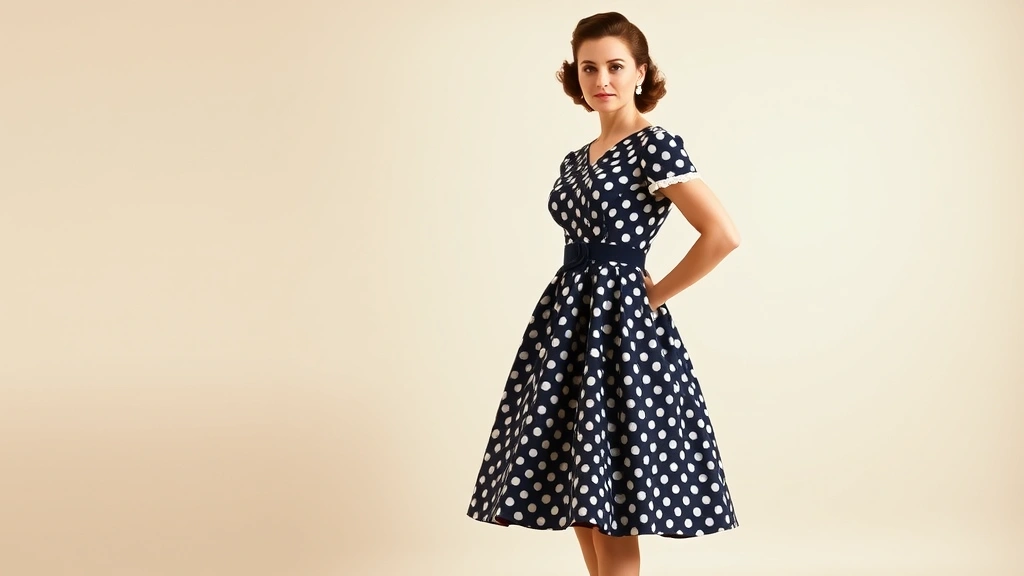
The 1950s introduced silhouettes that have become the gold standard for feminine elegance. The hourglass shape, achieved through carefully constructed bodices and full skirts, created a universally flattering aesthetic that works across different body types and personal style preferences. This decade rejected the streamlined, androgynous look of the 1940s, instead celebrating curves and femininity with architectural precision.
The most recognizable silhouettes include the full-skirted dress with a fitted bodice, often featuring boned corsetry that created an impressive waistline definition. These dresses typically fell to the knee or just below, creating a modest yet undeniably sexy profile. The popularity of poodle skirts, swing dresses, and wrap dresses demonstrated that the 1950s offered versatility within a cohesive aesthetic framework. What made these silhouettes revolutionary was their ability to be simultaneously practical for everyday wear and glamorous enough for evening occasions.
Designers like Christian Dior, whose “New Look” dominated the early 1950s, understood that the silhouette itself was a form of art. The emphasis on the waist, the volume of the skirt, and the overall proportions created an instantly recognizable aesthetic. This architectural approach to dressmaking remains influential today, with contemporary designers constantly referencing these foundational shapes. When you find your personal style, you’ll likely discover that 1950s silhouettes offer a template for creating a cohesive, elegant wardrobe.
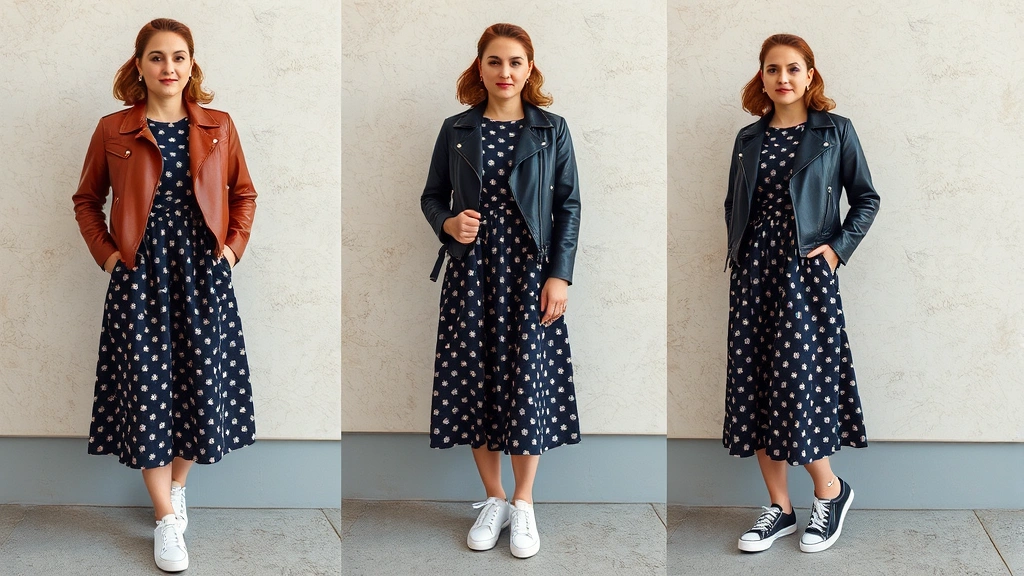
The versatility of these silhouettes explains their longevity. A 1950s-inspired dress can be styled casually with sneakers and a denim jacket for a modern, retro aesthetic, or dressed up with heels and vintage accessories for a more formal occasion. This adaptability ensures that 1950s fashion dresses remain relevant across different contexts and personal style expressions.
Fabric Innovation and Quality Craftsmanship
Beyond silhouettes, the fabrics used in 1950s dresses represent a significant factor in their timelessness. This era saw remarkable innovations in textile production, introducing materials like nylon, acetate, and improved cotton blends that offered both beauty and practicality. These fabrics had different characteristics from modern synthetics, often featuring a subtle sheen, excellent drape, and impressive durability that has allowed many vintage pieces to survive seven decades.
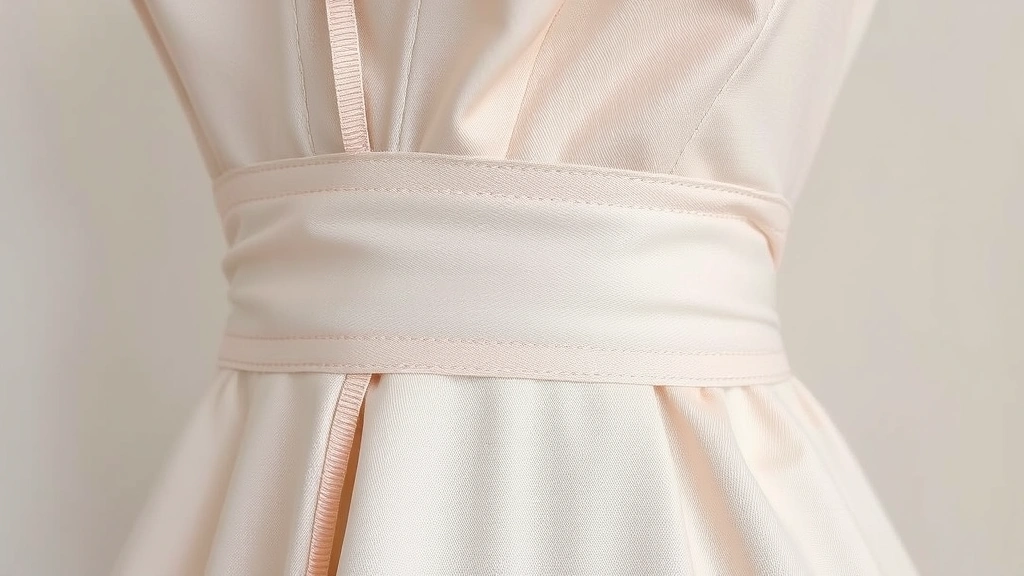
The quality of craftsmanship in 1950s dresses set a standard that influenced fashion for generations. Hand-finished seams, quality zippers, reinforced hems, and carefully placed darts created garments that not only looked exceptional but also held their shape and structure through repeated wearing and washing. The attention to detail in construction—from the placement of side seams to the finishing of armholes—demonstrates a commitment to quality that contrasts with much contemporary fast fashion production.
Cotton prints featuring polka dots, gingham, and floral patterns became iconic representations of 1950s style. These prints were often created using traditional techniques that produced vibrant, long-lasting colors. Even today, fashion enthusiasts seek out vintage 1950s cotton dresses specifically because the color saturation and print quality surpass many modern reproductions. The use of quality accessories to complement these fabrics further elevated the overall aesthetic.
Silk and silk blends also featured prominently in evening wear and special occasion dresses. The natural properties of silk—its elegant drape, subtle luminosity, and ability to hold dye beautifully—made it the fabric of choice for creating dresses that exuded luxury and sophistication. Modern designers continue to favor natural fibers for their premium collections, directly mirroring the fabric choices that made 1950s dresses so desirable.
Color Palettes and Timeless Design Elements
The color palettes of the 1950s reveal a sophisticated understanding of what works aesthetically across time. While bright, saturated colors like turquoise, coral, and cherry red became associated with the era, the most timeless 1950s dresses often featured more restrained color choices: navy, black, white, soft pastels, and jewel tones. These colors have remained fashionable because they work with human skin tones universally and pair easily with contemporary wardrobes.
Design elements like peter pan collars, cap sleeves, sweetheart necklines, and full skirts became signature features that defined the era. What makes these details timeless is that they’re not trend-dependent; they’re fundamentally flattering and elegant. A sweetheart neckline that drew attention to the face and décolletage, for instance, remains universally flattering because it creates visual balance and emphasis on the upper body.
The strategic use of white space and proportion in 1950s dress design demonstrates an intuitive understanding of visual harmony. Color blocking, contrasting trim, and strategically placed patterns create interest without overwhelming the overall silhouette. These design principles align with contemporary understanding of balanced, sophisticated aesthetics that appeal across different personal style preferences.
Embellishments in 1950s dresses—when used—were typically restrained and purposeful. Lace trim, embroidery, beading, and pleating were applied with precision rather than excess. This measured approach to decoration allowed these dresses to remain elegant rather than dated, as they didn’t rely on trends in embellishment styles to maintain their appeal.
Designer Perspectives on 1950s Fashion
Contemporary fashion designers frequently cite the 1950s as a primary source of inspiration, offering valuable insights into why these dresses remain relevant. Vogue editors and fashion critics consistently reference 1950s silhouettes when discussing timeless design principles. Designers appreciate how the decade balanced artistic vision with commercial viability, creating pieces that were both innovative and accessible.
The philosophy behind 1950s design emphasized that fashion should serve the wearer, not the other way around. Dresses were constructed to flatter, to move elegantly, and to make the person wearing them feel confident and beautiful. This fundamental principle—that good design enhances rather than detracts from the wearer—remains central to contemporary fashion philosophy and explains why these dresses continue to resonate.
Many contemporary designers have built their reputations on reinterpreting 1950s aesthetics for modern contexts. By understanding the underlying design principles—the importance of proportion, the strategic use of fabric weight and drape, the balance between structure and movement—designers create new pieces that honor the era while remaining distinctly contemporary. This approach demonstrates that 1950s fashion dresses aren’t simply retro references; they represent foundational design knowledge.
Fashion institutes and design schools continue to teach 1950s design as a masterclass in proportion and construction. The decade’s emphasis on proper fit, strategic seaming, and fabric manipulation provides essential lessons for aspiring designers. Understanding why a 1950s dress works so well teaches designers about fundamental principles that transcend trend cycles.
Modern Interpretations and Contemporary Relevance
The resurgence of 1950s-inspired fashion in recent years demonstrates the enduring appeal of these designs. Contemporary brands from luxury houses to high street retailers have created collections that reference 1950s silhouettes, proving that this aesthetic continues to appeal to modern consumers. The difference between historical reproduction and contemporary interpretation lies in subtle modifications: updated fabrics, modern construction techniques, and fresh color combinations that maintain the spirit while feeling current.
Modern interpretations often incorporate sustainable practices, using eco-friendly fabrics and ethical production methods to create 1950s-inspired dresses that align with contemporary values. This evolution allows the timeless silhouettes to remain relevant while addressing modern concerns about fashion’s environmental impact. Designers have discovered that the elegant proportions and quality construction of 1950s dresses actually align perfectly with sustainable fashion principles, as these garments are designed to last and remain stylish across seasons.
The rise of vintage fashion and the complete fashion history timeline shows how 1950s pieces have become investment items. Fashion-forward consumers recognize that authentic vintage 1950s dresses, particularly those made by quality manufacturers, represent wise investments that increase in value as genuine vintage pieces become scarcer. This trend reflects a broader shift toward quality over quantity in fashion consumption.
Contemporary styling of 1950s dresses demonstrates their remarkable versatility. Paired with modern accessories, contemporary jewelry, and updated footwear, these dresses feel fresh and current rather than costume-like. The fundamental elegance of the silhouettes means they work with modern fashion sensibilities rather than against them, allowing for seamless integration into contemporary wardrobes.
Styling 1950s Dresses in Today’s Fashion Landscape
Successfully styling 1950s dresses in modern contexts requires understanding how to honor the aesthetic while incorporating contemporary elements. The key is balancing the vintage silhouette with modern accessories and attitude. A classic 1950s dress styled with contemporary sneakers, a leather jacket, and minimal jewelry creates an effortlessly chic look that feels current rather than costume-like.
For more formal occasions, 1950s dresses can be elevated with modern heels, contemporary jewelry, and updated hairstyles. The beauty of these silhouettes is that they photograph beautifully and photograph well, making them excellent choices for special occasions where you want to look polished and elegant. The architectural nature of the silhouettes means they create flattering lines in photographs, which partially explains their continued popularity on social media and fashion platforms.
Layering provides another approach to modernizing 1950s dresses. A fitted 1950s dress becomes entirely contemporary when paired with a contemporary blazer, cropped cardigan, or oversized coat. This styling technique allows you to extend the wear seasons of these pieces while creating looks that feel distinctly modern.
Understanding how to style different pieces includes recognizing how 1950s dresses can form the foundation of versatile outfit combinations. A single 1950s dress can be styled multiple ways depending on accessories, footwear, and layering pieces, making it an efficient addition to any wardrobe from a practical perspective.
Investment Pieces Worth Collecting
The investment value of authentic 1950s dresses has increased significantly as vintage fashion has gained recognition as a legitimate investment category. Quality vintage pieces from established manufacturers, particularly those featuring exceptional construction and desirable fabrics, command premium prices in the vintage market. This trend reflects broader recognition that well-made garments represent better value than fast fashion alternatives, even when accounting for the vintage price premium.
When evaluating 1950s dresses as investment pieces, condition, size, and provenance matter significantly. Dresses from renowned designers or prestigious manufacturers command higher prices. Pieces in excellent condition with all original closures and minimal alterations are particularly valuable. Understanding the construction quality and fabric composition helps identify pieces that will appreciate rather than depreciate over time.
The sustainability aspect of collecting vintage 1950s dresses adds another dimension to their appeal. By choosing to wear and invest in authentic vintage pieces, fashion enthusiasts participate in circular fashion practices that reduce the environmental impact of clothing consumption. This alignment with contemporary values regarding sustainability makes 1950s dresses relevant not just aesthetically but philosophically.
Building a collection of 1950s dresses offers practical benefits as well. These pieces work across seasons, flatter diverse body types, and remain stylish regardless of current trend cycles. A well-curated collection of 1950s dresses in different colors, patterns, and weights provides a reliable foundation for creating countless outfit combinations.
For those interested in exploring fashion insights and trend analysis, studying 1950s fashion provides valuable lessons in design principles that transcend trend cycles. The fashion industry continues to reference this era because it represents a moment when design excellence, commercial success, and consumer satisfaction aligned perfectly.
FAQ
What makes 1950s dresses so flattering across different body types?
1950s dresses are flattering because they were designed with careful attention to proportion and fit. The fitted bodices create definition at the waist, while full skirts provide volume and movement. This combination works because it creates visual balance regardless of body shape. The strategic placement of seams, darts, and boning provides structure that enhances rather than restricts, and the emphasis on the waist is universally flattering.
How can I style a vintage 1950s dress for modern occasions?
Styling vintage 1950s dresses for contemporary settings involves balancing the vintage silhouette with modern elements. Pair the dress with current footwear (sneakers for casual wear, contemporary heels for formal events), minimal jewelry, and a modern jacket or coat. Contemporary styling choices prevent the outfit from feeling costume-like while allowing the elegant silhouette to shine. The key is treating the 1950s dress as the statement piece and keeping accessories minimal and modern.
Are authentic vintage 1950s dresses worth the investment?
Authentic vintage 1950s dresses from quality manufacturers represent sound investments for several reasons. First, they’re becoming increasingly scarce as genuine vintage pieces are worn and damaged. Second, the quality of construction means they remain wearable and beautiful across decades. Third, fashion’s cyclical nature ensures these silhouettes remain relevant. Finally, the growing interest in sustainable fashion and vintage clothing has increased demand, which supports price appreciation for well-preserved pieces.
What fabric types were most common in 1950s dresses?
Common 1950s dress fabrics included cotton, silk, nylon, acetate, and various blends. Cotton was used extensively for everyday dresses, particularly in printed patterns. Silk and silk blends appeared in evening wear and special occasion dresses. Nylon and acetate provided sheen and drape while offering practical care benefits. Many 1950s dresses featured natural fiber content, which contributes to their durability and desirability compared to modern synthetic fabrics.
How do I identify a quality 1950s dress versus a reproduction?
Quality vintage 1950s dresses can be identified by examining construction details: hand-finished seams, quality zippers, reinforced hems, and strategic seaming that creates proper fit. The fabric itself often has characteristics that distinguish it from modern reproductions—subtle sheen, specific weight and drape, and color saturation that reflects period dyeing techniques. Authentic pieces also show appropriate wear patterns that reflect age and use. Reproductions, while sometimes lovely, typically feature modern construction techniques and fabrics that feel different to the touch.
Why do designers continue to reference 1950s fashion?
Designers reference 1950s fashion because it represents a pinnacle of design excellence where aesthetic innovation aligned with wearability. The decade’s emphasis on proportion, fit, and construction provides timeless lessons applicable across design contexts. The silhouettes are fundamentally flattering, the design principles remain relevant, and the era’s approach to balancing structure with movement continues to inspire. Additionally, the 1950s aesthetic appeals to consumers across generations, making it a reliable source of design inspiration that translates to commercial success.