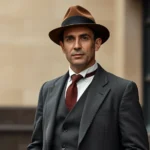
Revive 1950s Men’s Style: Expert Insights
The 1950s represented a golden era of men’s fashion, a time when tailoring was paramount, masculinity was expressed through sharp silhouettes, and attention to detail separated the stylish from the ordinary. This decade witnessed an unprecedented convergence of classic elegance and emerging youth culture, creating a fashion landscape that remains profoundly influential today. Whether you’re drawn to the polished sophistication of mid-century dapper dressing or the rebellious edge of greaser culture, 1950s men’s style offers timeless inspiration for the modern gentleman.
Understanding how fashion evolved through different decades provides essential context for appreciating why the 1950s remains such a powerful reference point. The post-war optimism of this era translated directly into fashion choices that celebrated craftsmanship, quality fabrics, and structured tailoring. From Hollywood icons to everyday working men, the 1950s established style codes that transcended social boundaries and continue to resonate with contemporary fashion enthusiasts seeking authenticity and timelessness.
This comprehensive guide explores the essential elements of 1950s men’s fashion, offering expert insights on how to authentically incorporate these vintage aesthetics into your modern wardrobe. Whether you’re building a complete retro ensemble or simply adding vintage-inspired pieces to your existing collection, understanding the principles of mid-century masculine style will elevate your fashion game significantly.
The Silhouette: Tailoring and Structure
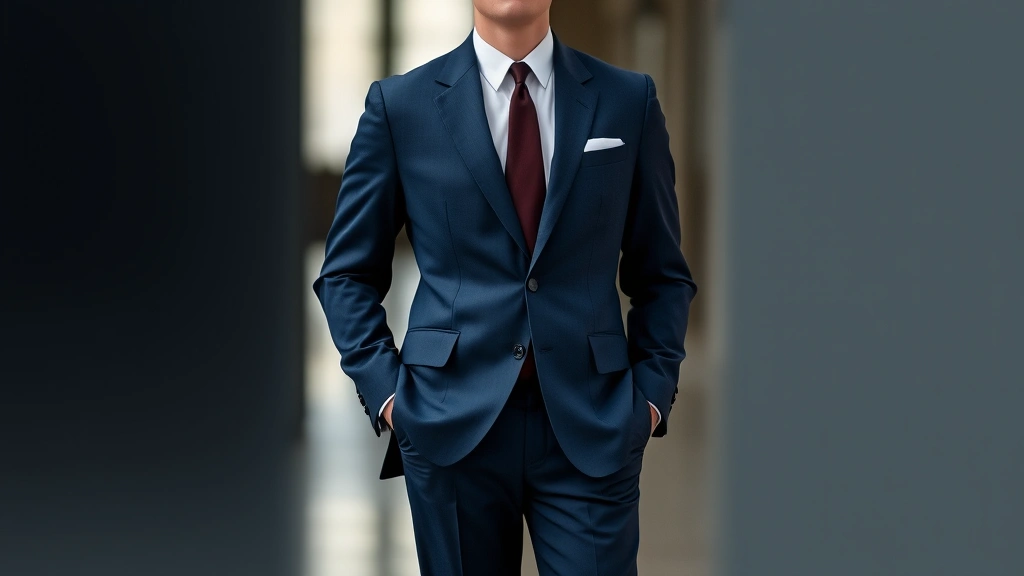
The 1950s silhouette for men was characterized by a distinctive shape that emphasized broad shoulders, a fitted waist, and a tapered leg. This wasn’t achieved through casual dressing but through meticulous tailoring that demanded quality construction and proper fit. The decade rejected the baggy, oversized proportions that had dominated the 1940s, instead embracing a more refined aesthetic that celebrated the male form without appearing tight or uncomfortable.
The key to achieving authentic 1950s proportions lies in understanding how tailors of that era approached garment construction. Shoulders were naturally broad and slightly structured, achieved through quality shoulder seaming rather than excessive padding. The chest was allowed to breathe, providing comfort while maintaining a clean silhouette. The most distinctive feature was the dramatic taper from the waist to the hem, particularly visible in trousers, which created a sleek, forward-moving aesthetic that conveyed confidence and sophistication.
Modern tailors and vintage clothing specialists emphasize that achieving this silhouette doesn’t necessarily require vintage pieces. Contemporary menswear brands have successfully revived 1950s tailoring proportions, offering modern fits that honor the era’s aesthetic while incorporating contemporary comfort standards. When shopping for 1950s-inspired pieces, look for garments with a defined waist suppression and natural shoulder construction rather than heavily padded shoulders.
The importance of proper fit cannot be overstated when reviving any vintage aesthetic. A well-fitted 1950s-inspired suit from a modern manufacturer will serve you far better than an ill-fitting vintage original. This is where finding your personal style through proper fit and proportion becomes essential. Investment in tailoring services will transform even moderately priced pieces into wardrobe staples that capture the era’s elegance.
Essential Clothing Pieces
Building an authentic 1950s men’s wardrobe begins with understanding which pieces formed the foundation of mid-century style. The suit was undoubtedly the cornerstone, but the 1950s suit differed significantly from its predecessors and successors. These suits featured single-breasted jackets with notch lapels, typically two-button configurations, and a jacket length that hit approximately at the knuckles when arms hung naturally at the sides.
The dress shirt was equally important in 1950s menswear. Point collars and spread collars dominated, with starched cotton offering structure and a crisp appearance throughout the day. Understanding how to style button down shirts provides valuable insights into creating versatile 1950s-inspired outfits. Shirts came in white, light blue, and various subtle patterns including fine stripes and small checks. The fit was invariably close to the body without being restrictive, with sleeve lengths ending precisely at the wrist bone.
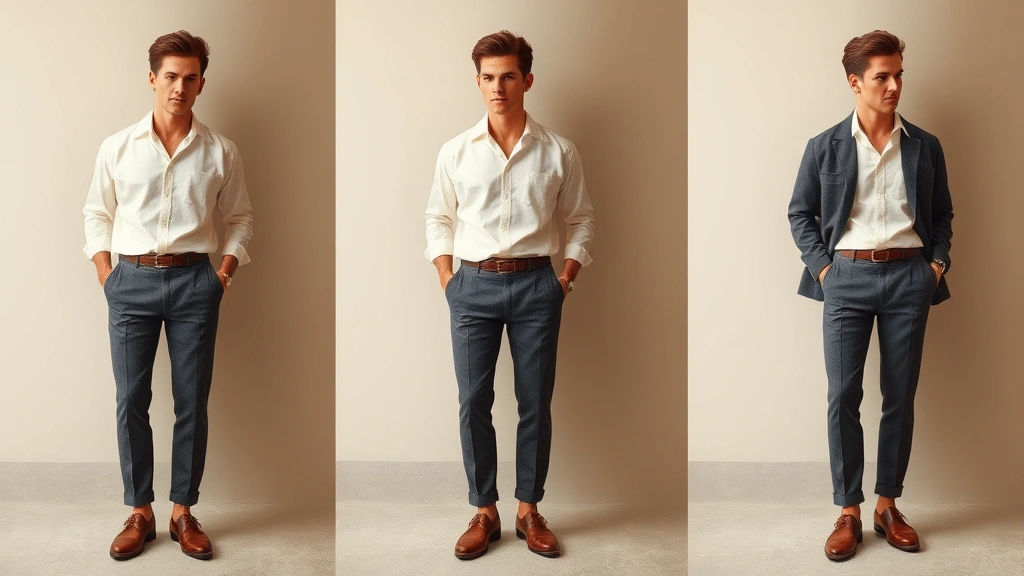
Trousers in the 1950s featured a distinctive silhouette that modern wearers often find dramatic. High waistbands (typically sitting at or slightly above the natural waist) combined with a pronounced taper created a leg line that looked distinctly different from contemporary cuts. The break at the shoe was minimal, with the trouser hem grazing the top of the shoe without bunching. Pleats were common, particularly in dressier trousers, providing additional comfort and movement while maintaining the overall crisp aesthetic.
Casual wear in the 1950s was revolutionized by innovations in sportswear. The Hawaiian shirt emerged as a legitimate casual garment, the bowling shirt gained popularity, and the cardigan sweater became a staple for weekend wear. These pieces offered men unprecedented freedom in casual dressing while maintaining a polished appearance. The t-shirt, while present, was typically reserved for undershirt duty or very informal settings, rarely worn as a standalone outer garment.
The leather jacket deserves special mention as it represented the rebellious edge of 1950s youth culture. The classic motorcycle jacket, typically in black or brown leather with distinctive hardware and asymmetrical zipper closures, became iconic through films like “The Wild One” and “Rebel Without a Cause.” This piece bridged the gap between respectability and rebellion, offering a way for young men to express individuality within the otherwise conformist decade.
Color Palettes and Patterns
The 1950s color palette for men was notably restrained compared to other decades, reflecting the era’s emphasis on formality and sophistication. Neutral tones dominated: charcoal, navy, gray, black, and tan formed the foundation of most wardrobes. However, this apparent limitation actually created a canvas for subtle sophistication through texture, pattern, and tone variation.
Within this neutral framework, the 1950s introduced specific patterns that became synonymous with the era. Houndstooth, glen plaid, and subtle windowpane checks appeared frequently in suiting. Thin stripes in dress shirts provided visual interest without disrupting the overall formal aesthetic. Paisley and geometric patterns appeared in ties and pocket squares, offering acceptable outlets for pattern mixing without appearing garish or overly casual.
Accent colors, when used, were typically muted and purposeful. Burgundy, forest green, and deep brown appeared in cardigans, sweaters, and casual wear. The era’s color restraint actually created a sophisticated foundation that modern wearers can easily emulate. This approach to color—building a wardrobe around neutral basics with strategic pattern and accent pieces—remains remarkably practical for contemporary menswear.
Understanding the psychology behind 1950s color choices reveals the decade’s cultural values. The preference for neutral, classic tones reflected post-war conservatism and a desire for stability and respectability. Yet within these constraints, individual expression emerged through subtle variations in tone, sheen, and pattern. This balance between conformity and individuality defines much of what makes 1950s style perpetually appealing.
Accessories That Complete the Look
Accessories in the 1950s were never afterthoughts but essential components of a complete outfit. The tie was perhaps the most important accessory, and 1950s ties featured distinctive characteristics. Widths varied throughout the decade, but the most iconic 1950s ties were relatively narrow, typically between 2.5 and 3.5 inches wide. The patterns ranged from solid colors to geometric designs, with novelty ties becoming increasingly popular as the decade progressed.
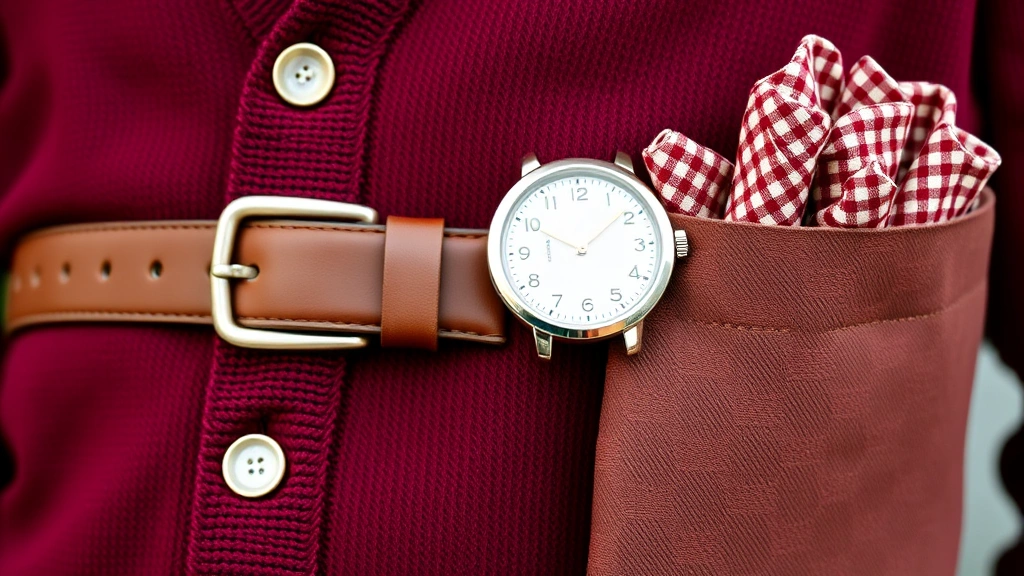
The pocket square was a standard accessory for formal occasions and often for business wear. Simple white linen was classic, but subtle patterns and colors offered opportunities for personal expression. The handkerchief was folded in specific ways—typically the four-point or three-point fold—creating a small, neat rectangle that peeked from the jacket pocket without drawing excessive attention.
Belts in the 1950s were functional and subtle, typically leather in black, brown, or cordovan. Wide belts were less common than in later decades, with most men wearing belts between one and 1.5 inches wide. Buckles were generally modest, avoiding flashy hardware in favor of simple, functional designs. Suspenders, while less common than in previous eras, remained acceptable and even fashionable for certain contexts.
Watches were important status symbols and style statements. The wristwatch had fully replaced the pocket watch in everyday use, with classic dress watches from manufacturers like Bulova, Omega, and Seiko being highly coveted. These watches featured relatively thin cases, simple dial designs, and leather straps, offering elegance without excessive ornamentation.
Cufflinks and tie clips were standard for formal wear, with gold-tone and silver-tone finishes being most common. These accessories represented quality and attention to detail, with many men owning multiple pairs to coordinate with different outfits. The tie clip, in particular, served both functional and aesthetic purposes, keeping the tie in place while adding a subtle accent of metal at the chest.
Hairstyles and Grooming
The 1950s established some of the most iconic men’s hairstyles in fashion history. The slicked-back look, achieved through pomade and careful styling, represented the polished, respectable aesthetic favored by businessmen and older generations. This style required daily maintenance, typically involving a morning application of pomade followed by careful combing and shaping throughout the day.
The crew cut offered a shorter, cleaner alternative that remained popular throughout the decade. This style was practical, masculine, and easy to maintain, making it accessible to men of all social classes. The flat-top and variations thereof provided additional options for men seeking a neat, structured appearance. These styles typically required regular barbershop visits every three to four weeks to maintain proper length and shape.
The ducktail, popularized by youth culture and rockabilly musicians, represented the rebellious counterpoint to mainstream 1950s hairstyles. This style featured longer hair on top, slicked back and shaped to a point, with shorter sides. It required significant pomade and daily styling but became the signature look of the era’s youth subculture.
Grooming standards in the 1950s emphasized cleanliness and neatness above all else. Daily shaving was essential for most men, with the straight razor still in common use despite the growing popularity of safety razors and electric shavers. Aftershave and cologne were standard grooming products, with classic scents like Brylcreem, Old Spice, and Aqua Velva becoming iconic. Eyebrows were left natural, and facial hair beyond the upper lip was generally considered unkempt.
The barbershop was an essential institution in 1950s men’s grooming culture. Regular visits ensured proper haircuts, shaves, and access to grooming advice from skilled professionals. This emphasis on professional grooming services remains relevant today, with many contemporary barbers specializing in classic 1950s cuts and styles.
Footwear Fundamentals
Shoes in the 1950s were diverse in style but unified in their emphasis on quality construction and polished appearance. The oxford remained the most formal and popular dress shoe, featuring a closed lacing system and typically leather construction in black or brown. These shoes were invariably polished to a high shine, with many men maintaining multiple pairs to ensure proper rotation and longevity.
The loafer emerged as a significant casual-to-business alternative during the 1950s, offering a slip-on convenience without sacrificing formality. The penny loafer became particularly popular, with its distinctive slot for a coin providing both functional and decorative appeal. Loafers were typically leather, often in brown or black, though lighter colors appeared in summer wear.
Casual footwear options included suede desert boots, which offered a softer, more relaxed aesthetic while maintaining sophistication. Canvas sneakers, particularly white or neutral tones, were acceptable for very casual settings. Motorcycle boots, typically black leather with sturdy construction, became associated with youth culture and the rebellious aesthetic of the era.
The saddle shoe represents one of the 1950s’ most distinctive footwear innovations. Featuring a contrasting band of leather across the instep, typically in black or brown contrasting with white, these shoes became particularly popular among teenagers and young adults. They offered a playful element while maintaining respectability, perfectly capturing the era’s balance between conformity and youth expression.
Proper shoe care was essential in 1950s grooming culture. Daily polishing, use of shoe trees to maintain shape, and regular professional shining ensured shoes remained in pristine condition. This emphasis on footwear maintenance reflected broader values of quality and longevity that defined mid-century menswear.
Subcultures and Style Variations
While the mainstream 1950s aesthetic emphasized conformity and polish, significant style variations emerged within different subcultures. The evolution from 1920s guy fashion through subsequent decades created a rich tapestry of style influences that the 1950s synthesized and reimagined. Understanding these variations provides deeper insight into the era’s complexity.
The greaser subculture represented the most visually distinctive 1950s youth style. Characterized by leather jackets, white t-shirts, jeans, and slicked-back hair, the greaser look embodied rebellion against mainstream society. Jeans, typically Levi’s 501s, were worn cuffed and often with a slight fade achieved through wear and washing. This look was immortalized in films and became iconic of 1950s youth culture, representing a deliberate rejection of parental and societal fashion expectations.
The preppy aesthetic emerged from Ivy League universities and wealthy East Coast communities. This style emphasized clean-cut appearance, button-down shirts, narrow ties, and well-tailored suits. Loafers, crew cuts, and polo shirts became markers of this aesthetic. The preppy look represented establishment values and social status, contrasting sharply with greaser aesthetics despite both being distinctly 1950s.
The rockabilly style blended country and western influences with rock and roll energy. Featuring bright colors, bold patterns, and exaggerated proportions, rockabilly represented a more flamboyant approach to 1950s fashion. Western shirts, sometimes in vibrant colors or with elaborate embroidery, combined with jeans and cowboy boots created a distinctive look that celebrated individual expression.
Workwear influenced 1950s casual fashion significantly. Work shirts, denim jackets, and practical clothing became acceptable casual wear, particularly in American culture. This democratization of fashion allowed working-class men to achieve style through quality basics and proper fit rather than expensive tailoring. The influence of workwear on 1950s casual style remains evident in contemporary menswear.
Modern Integration Strategies
Reviving 1950s men’s style in contemporary contexts requires thoughtful integration rather than costume-like recreation. The most successful modern applications of vintage aesthetics involve selecting specific elements that resonate with personal style while maintaining contemporary relevance. Understanding how to find your personal style becomes essential when incorporating vintage elements into modern wardrobes.
Starting with foundational pieces offers a practical approach. A well-tailored suit with 1950s proportions—narrow lapels, tapered trousers, natural shoulders—provides versatility while capturing the era’s aesthetic. Pair this with contemporary dress shirts in classic colors, and you’ve established a professional wardrobe with vintage inspiration. The key is selecting pieces that feel authentically you rather than attempting to recreate an entire period look.
Mixing vintage and contemporary pieces creates dynamic, interesting outfits. A 1950s-inspired cardigan paired with modern jeans, a vintage tie with a contemporary shirt, or classic loafers with contemporary chinos all demonstrate how elements from different eras can coexist harmoniously. This approach allows you to celebrate the 1950s aesthetic without appearing costume-like or anachronistic.
Color and proportion remain the most accessible entry points for vintage revival. Adopting the 1950s color palette—neutral bases with strategic pattern and accent pieces—works beautifully in contemporary contexts. Similarly, paying attention to proportions, particularly the fitted waist and tapered leg that defined 1950s menswear, immediately evokes the era without requiring period-specific pieces.
The rise of sustainable fashion and vintage shopping has made authentic 1950s pieces more accessible than ever. Quality vintage clothing offers superior construction compared to many contemporary fast-fashion alternatives, making vintage shopping both environmentally and economically sensible. However, finding well-preserved vintage pieces requires patience and knowledge. Understanding construction details, fabric quality, and proper fit ensures vintage purchases enhance rather than complicate your wardrobe.
Contemporary menswear designers have embraced 1950s inspiration, offering modern interpretations that honor the era while incorporating contemporary fit preferences and fabric technologies. Brands specializing in heritage menswear provide excellent options for those seeking 1950s-inspired pieces without the challenges of vintage shopping. These modern pieces often feature improved construction and fit while maintaining the aesthetic integrity of the era.
Building a cohesive 1950s-inspired wardrobe requires understanding which elements matter most to you personally. Perhaps you’re drawn to the polished sophistication of the era’s formal wear, the rebellious edge of youth subcultures, or the practical elegance of casual wear. Identifying your specific inspiration allows you to curate pieces that feel authentic to your personal style rather than attempting to recreate an entire historical period.
The Style Loom Daily Blog offers extensive resources for exploring menswear history and contemporary applications. Consulting multiple sources, including fashion historians and contemporary style experts, helps develop nuanced understanding of how to authentically interpret 1950s aesthetics in modern contexts.
FAQ
What are the key characteristics of authentic 1950s men’s fashion?
Authentic 1950s men’s fashion emphasizes tailored silhouettes with broad shoulders, fitted waists, and tapered legs. Key pieces include well-constructed suits, crisp dress shirts with point or spread collars, high-waisted trousers, and quality leather shoes. The aesthetic prioritizes polish, structure, and attention to detail, reflecting the era’s cultural values regarding masculinity and professionalism.
Can I wear 1950s-inspired clothing in modern professional settings?
Absolutely. 1950s-inspired tailoring remains entirely appropriate and sophisticated in contemporary professional environments. A well-fitted suit with 1950s proportions reads as classic and professional. The key is ensuring pieces are properly tailored to your body and constructed from quality materials. Modern interpretations of 1950s aesthetics often work better in professional settings than attempting to wear authentic vintage pieces that may show their age.
Where can I find authentic 1950s clothing or modern reproductions?
Vintage clothing can be found through specialized vintage retailers, online marketplaces, and local thrift stores. However, quality varies significantly. For reliable 1950s-inspired pieces, contemporary menswear brands specializing in heritage clothing offer excellent options. These brands combine modern fit standards with vintage aesthetics, providing pieces that feel authentic without the unpredictability of vintage shopping.
How do I know if 1950s style suits my personal aesthetic?
Explore different aspects of 1950s fashion to identify what resonates with you. Perhaps formal tailoring appeals to you, or maybe you’re drawn to the rebellious edge of youth subcultures. Experimenting with individual pieces—a single 1950s-inspired item mixed with contemporary clothing—helps determine whether the aesthetic aligns with your personal style before committing to a fuller wardrobe.
What’s the difference between greaser and preppy 1950s styles?
Greaser style represented youth rebellion, featuring leather jackets, white t-shirts, jeans, and slicked-back hair. Preppy style, emerging from Ivy League universities, emphasized clean-cut appearance, button-down shirts, tailored suits, and loafers. These subcultures represented opposite ends of the 1950s social spectrum, with greaser style rejecting mainstream values and preppy style embodying establishment aesthetics.
Are high-waisted trousers practical for modern wear?
High-waisted trousers, characteristic of 1950s menswear, can feel unusual initially but offer several practical advantages. They provide superior comfort and movement compared to contemporary low-rise cuts. Many men find that once accustomed to the fit, they prefer the stability and comfort of higher waistbands. Starting with one pair helps determine whether this proportion works for your body and preferences.
How important is shoe care in achieving 1950s style?
Shoe care was essential to 1950s grooming culture and remains important for achieving the aesthetic. Well-polished shoes convey attention to detail and respect for quality. However, modern maintenance standards needn’t replicate daily polishing rituals. Regular cleaning and occasional professional shining maintain the polished appearance characteristic of the era without requiring excessive time investment.
Can women incorporate 1950s men’s style elements into their wardrobes?
Absolutely. Contemporary fashion celebrates cross-gender style inspiration. 1950s menswear elements—tailored blazers, clean-lined trousers, crisp shirts, and classic accessories—work beautifully in women’s wardrobes. This approach celebrates the era’s design principles while creating contemporary, gender-fluid style expressions.
What’s the best way to start building a 1950s-inspired wardrobe?
Begin with foundational neutral pieces: a well-tailored suit, quality white and light blue dress shirts, and classic leather shoes. From this foundation, add layering pieces like cardigans and sport coats. Gradually introduce pattern through ties and pocket squares. This methodical approach allows you to develop the aesthetic gradually while ensuring pieces coordinate effectively.
How do I balance 1950s style with contemporary fashion without appearing costume-like?
Mix vintage and contemporary pieces strategically. A 1950s-inspired cardigan with modern jeans, vintage accessories with contemporary clothing, or classic shoes with modern silhouettes all demonstrate tasteful vintage integration. The key is selecting pieces that feel authentically you rather than attempting complete period recreation. Quality, fit, and personal confidence matter more than historical accuracy.