Revive 1940s Fashion: Historian Insights into Women’s Wardrobe Essentials
The 1940s represent one of the most transformative decades in fashion history, where style became intertwined with societal change, wartime restrictions, and women’s evolving roles. This era produced iconic silhouettes, innovative fabric solutions, and a distinctive aesthetic that continues to captivate fashion enthusiasts today. Understanding 1940s women’s fashion offers more than nostalgic appeal—it reveals how creativity flourishes under constraint and how clothing can reflect cultural identity.
During this pivotal decade, women’s fashion underwent radical shifts. The outbreak of World War II fundamentally altered what women wore, why they wore it, and how they sourced materials. Rationing, material shortages, and the need for practical clothing transformed the industry, yet designers and everyday women alike demonstrated remarkable ingenuity. The result was a distinctive aesthetic that balanced femininity with functionality, elegance with economy. Today, reviving 1940s fashion means understanding these historical complexities while incorporating authentic vintage elements into contemporary wardrobes.
Iconic Silhouettes and Structural Elements
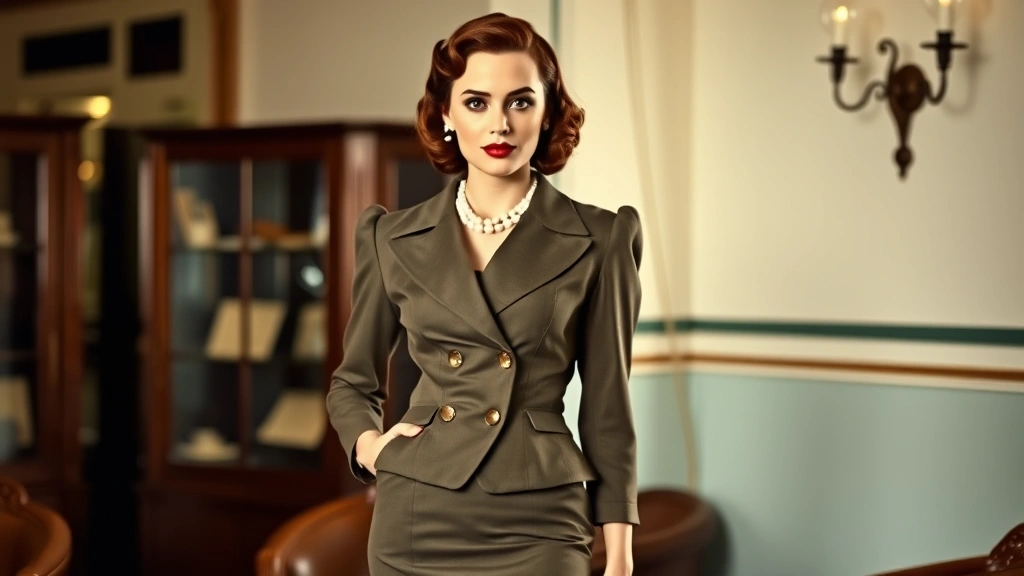
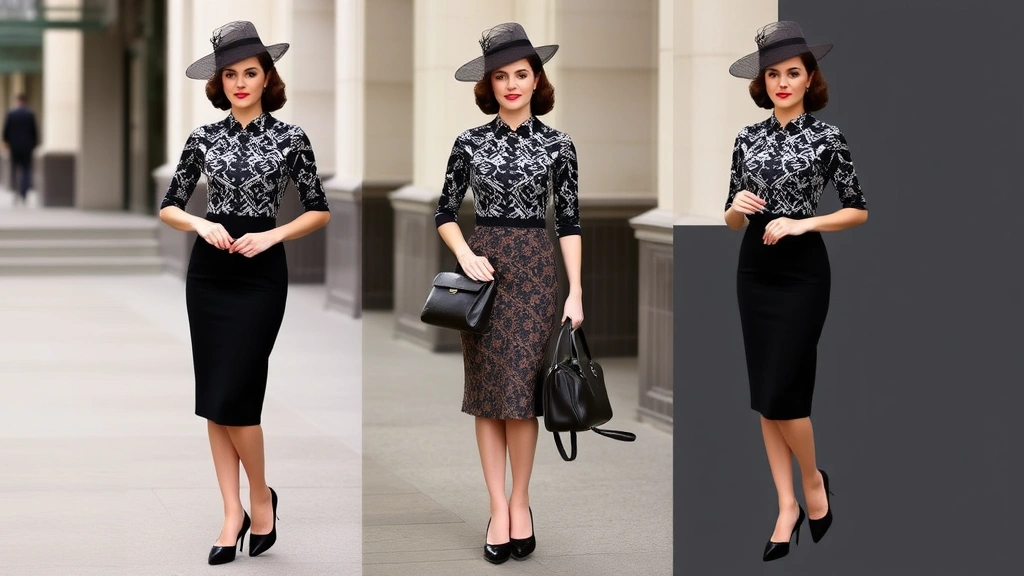
The 1940s silhouette represents one of fashion’s most recognizable and enduring shapes. Rather than the extreme curves emphasized in the 1930s, 1940s fashion favored a more structured, angular aesthetic that reflected both practicality and patriotic restraint. The characteristic silhouette featured broad, squared shoulders—often enhanced by shoulder pads—a cinched waist, and a straighter hip line that fell to just below the knee.
Shoulder pads became the defining feature of 1940s women’s fashion, appearing not just in jackets and dresses but in blouses, sweaters, and even undergarments. These weren’t merely decorative; they served multiple purposes. Structurally, they created an authoritative, powerful silhouette that aligned with women’s expanding roles in factories and offices during wartime. Psychologically, they conveyed strength and capability. Fashion historians note that Vogue documented how shoulder pads symbolized women’s wartime contributions, making them far more significant than simple design elements.
The pencil skirt emerged as another cornerstone of 1940s fashion. These knee-length, fitted skirts required less fabric than fuller styles, making them ideal during rationing periods. Despite material constraints, designers created elegantly tapered silhouettes that emphasized the waist and created a sleek, sophisticated line. The pencil skirt paired perfectly with fitted blouses and jackets, creating a polished look suitable for both professional and social settings.
Dress construction during this era reflected ingenious engineering. Seaming became an art form, with strategic placement creating the illusion of a smaller waist and more sculpted figure. Darts, princess seams, and side seams all worked together to achieve the characteristic 1940s shape without excessive fabric. This construction method remains relevant today, as understanding how these garments were built helps modern sewers and vintage enthusiasts appreciate the craftsmanship involved.
For those interested in exploring earlier fashion movements that influenced 1940s aesthetics, our guide to 1920s Fashion Dresses provides valuable context on how silhouettes evolved across decades.
Wartime Innovations and Fabric Solutions
World War II fundamentally transformed fabric availability and fashion practices. The War Production Board issued strict regulations limiting the amount of fabric that could be used in garments. L-85, the government order issued in 1942, specified maximum widths for skirts, prohibited certain decorative elements, and restricted the use of elastic and other materials deemed essential for military purposes. Rather than stifle creativity, these constraints sparked innovation throughout the fashion industry.
Designers developed ingenious solutions to create beautiful garments within rationing limits. Hemlines rose slightly, reducing fabric consumption while maintaining elegance. Designers eliminated unnecessary seams, ruffles, and decorative details, focusing instead on structural excellence and refined proportions. Pattern placement became crucial—every inch of fabric had to serve a purpose. This philosophy created a lasting aesthetic of understated sophistication that remains influential in contemporary fashion.
Synthetic fabrics gained prominence during the 1940s as natural materials became scarce. Rayon, initially developed in the 1920s, became increasingly common for dresses, blouses, and linings. Nylon, invented by DuPont in 1935, became essential for stockings and other applications, though availability remained limited during wartime. These innovations weren’t always welcomed initially—many women preferred natural fibers—but the quality and versatility of synthetics gradually won acceptance. Understanding The Complete Fashion History Timeline reveals how these material innovations shaped subsequent fashion development.
Fabric recycling and repurposing became common practices. Women transformed old garments into new ones, unpicked sweaters to reknit yarn, and utilized every scrap of material. This resourcefulness wasn’t temporary—it reflected a cultural shift in how people valued clothing and materials. The concept of sustainable fashion, so prominent in contemporary discussions, has deep roots in 1940s necessity and ingenuity.
Wool became highly regulated, reserved primarily for military uniforms and essential civilian clothing. Cotton remained available but was also restricted. This scarcity led to creative mixing of materials and innovative fiber blends that designers continue to experiment with today. The 1940s proved that constraints could drive aesthetic innovation rather than limit it—a lesson contemporary sustainable fashion designers embrace enthusiastically.
Accessories and Design Details
Accessories played a crucial role in 1940s fashion, allowing women to express personality and style despite clothing restrictions. Hats became especially important—they required no fabric rationing allocations and allowed for creative expression. Wide-brimmed hats, turbans, berets, and small fascinators with feathers or netting adorned women’s heads across all social classes. Hat styling became an art form, with different occasions calling for distinctly different styles.
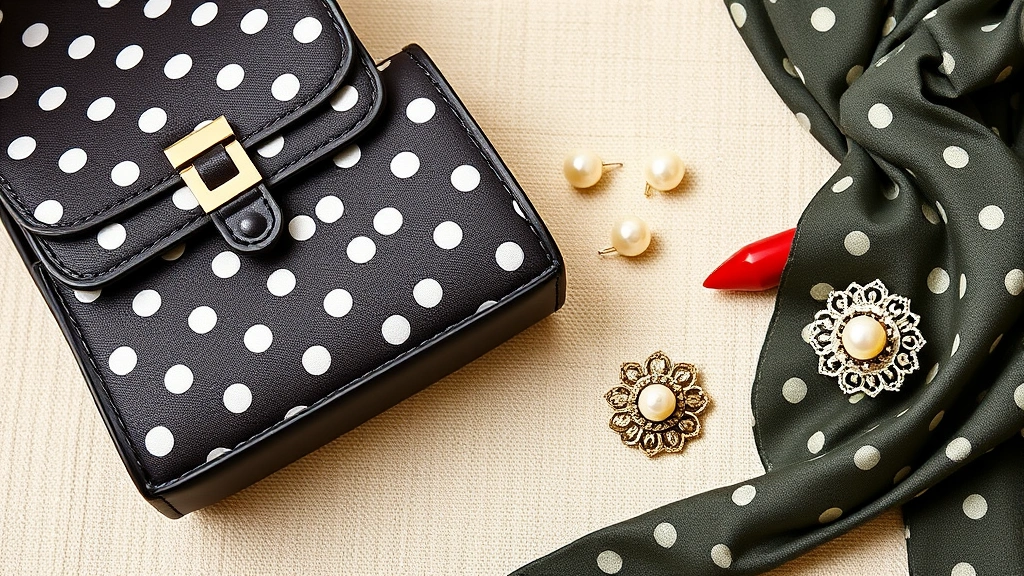
Jewelry maintained strong presence in 1940s aesthetics, though material availability shifted. Gold and silver were restricted for military use, so costume jewelry flourished. Bakelite, a plastic material, became fashionable for bracelets, brooches, and hair accessories. Pearls remained popular for those who could afford them, and pearl necklaces became iconic accessories for more formal occasions. The versatility of jewelry meant women could refresh outfits without purchasing new clothes—an economically sensible approach that resonates with modern sustainable fashion principles.
Handbags evolved significantly during the 1940s. Structured leather bags with metal frames, sometimes featuring intricate closures and organizational compartments, became essential accessories. These practical yet elegant bags reflected the era’s balance between functionality and style. Many original 1940s bags remain functional today, testament to their superior construction and timeless design.
Shoes underwent interesting transformations during wartime. Leather rationing led to creative alternatives, including fabric uppers with leather or wooden heels. Platform shoes gained popularity, partly because they required less material and partly because they provided practical elevation for women working in factories. Peep-toe shoes, ankle-strap sandals, and Mary Janes characterized the era’s footwear, all designed with practicality in mind.
Stockings held special significance in 1940s fashion culture. Silk and nylon stockings became scarce luxuries, leading women to wear leg makeup—specially formulated products that created the appearance of stockings—with drawn seams up the back of the legs. This creative solution to shortage demonstrates the resourcefulness and humor women brought to fashion during challenging times. When stockings were available, they were treasured items, sometimes given as precious gifts.
Color Palettes and Pattern Trends
The 1940s color palette reflected both wartime austerity and a desire for morale-boosting brightness. Darker, more muted tones dominated practical daywear—grays, taupes, browns, and navy blues were practical choices that hid dirt and wear. However, brighter colors appeared in dresses for special occasions and in patriotic combinations. Red, white, and blue featured prominently in American fashion, while British fashion incorporated Union Jack colors in various ways.
Pastels gained popularity as the decade progressed and wartime restrictions eased slightly. Soft pinks, pale blues, mint greens, and cream tones appeared in spring and summer collections. These colors conveyed optimism and femininity, providing psychological lift during otherwise austere times. Fashion historians note that color choice often reflected women’s emotional needs as much as practical considerations.
Prints and patterns added visual interest while using minimal additional resources. Polka dots became iconic 1940s patterns, appearing on dresses, blouses, and accessories. Floral prints remained popular, though smaller-scale patterns were more common than the larger prints of previous decades. Geometric patterns, stripes, and checks provided visual variety without requiring excessive fabric. Abstract and modernist patterns reflected the era’s artistic movements and offered contemporary styling options.
Animal prints, particularly leopard and zebra patterns, gained fashionable status during the 1940s. These bold patterns appeared in fabrics, fur trim, and accessories, adding drama and sophistication to outfits. The popularity of animal prints during this era established a trend that cycles through fashion repeatedly in subsequent decades.
Incorporating 1940s Elements Into Modern Style
Reviving 1940s fashion in contemporary wardrobes doesn’t mean wearing exact replicas of vintage garments. Instead, it involves understanding the aesthetic principles that made 1940s style distinctive and incorporating those elements thoughtfully into modern outfits. This approach allows you to honor fashion history while maintaining contemporary relevance and personal style preferences.
The structured silhouette remains the most accessible 1940s element to incorporate. Investing in well-fitted blazers with subtle shoulder definition creates that characteristic 1940s line without appearing costume-like. Modern tailoring often includes this structured approach, making it relatively easy to find contemporary pieces with 1940s-inspired construction. Pair these blazers with high-waisted, slightly tapered trousers or pencil skirts for an authentic yet current aesthetic.
Color and pattern mixing offers another entry point into 1940s-inspired styling. Experiment with polka dot blouses, vintage-inspired floral prints, and bold jewel tones. Layer pieces strategically to create depth and interest while maintaining the era’s refined aesthetic. A cream-colored blouse under a burgundy dress, for example, echoes 1940s styling while feeling thoroughly contemporary when accessorized with modern jewelry and footwear.
Discovering How to Find Your Personal Style provides valuable guidance for integrating historical references into your unique aesthetic. The 1940s aesthetic complements various personal style approaches, from classic and refined to vintage-forward and eclectic.
Accessories offer perhaps the most versatile way to incorporate 1940s elements. Vintage brooches, pearl necklaces, structured handbags, and small hats or fascinators instantly evoke the era while remaining fashion-forward when combined with modern basics. A contemporary dress becomes 1940s-inspired with the addition of a vintage brooch and period-appropriate shoes. This approach allows experimentation without requiring a complete wardrobe overhaul.
Hair and makeup styling significantly impact how 1940s-inspired clothing reads. The era’s signature victory rolls, pin curls, and waves created a distinctive silhouette that complemented the clothing. Modern interpretations of these styles—perhaps softer waves or a single side roll—can enhance an outfit’s 1940s inspiration without appearing costume-like. Similarly, 1940s makeup emphasized defined brows, dramatic eyes, and bold lips, particularly red lipstick, which remains timeless and instantly evocative of the era.
Sourcing and Styling Vintage Pieces
Finding authentic 1940s pieces requires patience, knowledge, and access to appropriate resources. Vintage clothing markets, antique shops, online vintage retailers, and specialized auction houses all offer opportunities to source original garments. Understanding construction techniques, fabric types, and design details helps authenticate pieces and assess their condition and value. Look for hand-stitched seams, natural fiber content, and period-appropriate construction methods that distinguish genuine vintage from reproduction pieces.
Condition assessment is crucial when purchasing vintage clothing. Many 1940s garments are fragile, particularly items made from silk or rayon. Seams may be weakened by age, elastic may have deteriorated, and fabrics may show yellowing or staining. However, many issues can be addressed through professional restoration. Understanding a piece’s condition helps determine whether it’s suitable for wearing or better preserved as a display piece. Consulting with textile conservators before attempting any restoration ensures valuable vintage items receive appropriate care.
Mixing vintage and contemporary pieces creates more versatile, wearable outfits than wearing full vintage ensembles. Pair a 1940s dress with modern shoes and a contemporary jacket for a look that honors fashion history while feeling current. This approach also provides practical advantages—contemporary undergarments fit better with modern bodies, and contemporary footwear offers greater comfort for daily wear than vintage shoes typically provide.
Understanding Fashion Style Guide principles helps integrate vintage pieces into cohesive personal style statements. The 1940s aesthetic complements various style approaches, from minimalist to maximalist, from classic to avant-garde, depending on how pieces are selected and combined.
Reproduction 1940s clothing offers an alternative to vintage sourcing, particularly for everyday wear. Modern manufacturers create pieces inspired by 1940s design using contemporary fabrics and construction methods, resulting in garments that capture the aesthetic while offering the durability and fit of modern clothing. Brands specializing in vintage-inspired fashion provide excellent options for those seeking 1940s style without the fragility and authenticity concerns of genuine vintage pieces.
Care and storage of 1940s pieces requires attention to preservation principles. Acid-free tissue paper, proper hangers, and climate-controlled storage protect delicate fabrics from deterioration. Avoiding direct sunlight, excessive humidity, and temperature fluctuations extends the lifespan of vintage garments. Many vintage enthusiasts develop relationships with textile conservators who provide expert guidance on preservation and restoration.
For broader context on how 1940s fashion fits into overall fashion evolution, explore our comprehensive guide on Types of Fashion and the various historical periods that shaped contemporary aesthetics. Understanding 1940s fashion within the broader fashion history timeline enriches appreciation for the era’s unique contributions.
FAQ
What were the main characteristics of 1940s women’s fashion?
1940s women’s fashion featured broad, squared shoulders created with structural pads, cinched waists, and knee-length pencil skirts. The silhouette was structured and angular, reflecting both practical wartime needs and evolving perceptions of femininity. Rationing restrictions influenced design, leading to innovative construction techniques and creative use of limited materials. The aesthetic balanced elegance with economy, creating a distinctive look that remains influential today.
How did World War II rationing affect fashion design?
Government rationing orders like L-85 limited fabric yardage, prohibited certain decorative elements, and restricted elastic and other materials deemed essential for military use. Rather than eliminating creativity, these constraints sparked innovation. Designers developed more efficient patterns, eliminated unnecessary seams and ruffles, and focused on structural excellence. This philosophy of creating beauty through constraint remains relevant to contemporary sustainable fashion practices.
Can I wear 1940s-inspired fashion in modern contexts?
Absolutely. Incorporating 1940s elements into contemporary wardrobes works well when pieces are mixed with modern basics. A vintage pencil skirt paired with a contemporary blouse and modern shoes reads as fashion-forward rather than costume. Accessories like vintage brooches, structured handbags, and pearl jewelry instantly evoke the era. The key is thoughtful integration that honors the aesthetic while maintaining contemporary relevance.
Where can I find authentic 1940s clothing?
Vintage clothing markets, antique shops, specialized vintage retailers, and auction houses all offer authentic 1940s pieces. Online platforms dedicated to vintage fashion provide access to geographically dispersed inventory. When purchasing, examine construction details, fabric content, and condition carefully. Understanding period-appropriate construction techniques helps distinguish authentic vintage from reproduction pieces. Professional authentication services can verify valuable items.
What should I know about caring for vintage 1940s garments?
Vintage clothing requires specialized care to prevent deterioration. Store pieces in acid-free tissue paper on proper hangers in climate-controlled environments away from direct sunlight. Avoid excessive humidity and temperature fluctuations. Hand wash delicate items using gentle, period-appropriate methods, or seek professional dry cleaning from conservators experienced with vintage textiles. Address stains and damage promptly with professional restoration services rather than attempting DIY repairs that might cause further damage.
Are reproduction 1940s pieces a good alternative to authentic vintage?
Yes, reproduction 1940s clothing offers excellent alternatives for everyday wear. Modern manufacturers create pieces inspired by 1940s design using contemporary fabrics and construction methods, resulting in garments that capture the aesthetic while offering greater durability and comfort. Reproduction pieces work particularly well for those wanting to experiment with 1940s style without the investment and preservation concerns of authentic vintage clothing.