1940s Women’s Fashion: A Vintage Guide
The 1940s represent one of the most transformative decades in fashion history, marked by resourcefulness, elegance, and a distinctive silhouette that continues to inspire designers today. As World War II reshaped society, women’s fashion evolved dramatically—utility took precedence over extravagance, yet style remained paramount. This era birthed iconic looks that defined an entire generation, from the power shoulders of wartime suits to the celebrated New Look that emerged as peace returned.
Understanding 1940s women’s fashion offers more than historical insight; it reveals how constraint breeds creativity and how women navigated changing roles through their wardrobes. Whether you’re interested in vintage styling, historical accuracy, or simply drawing inspiration from this golden era, this comprehensive guide explores every facet of 1940s fashion that made the decade unforgettable.
The Iconic 1940s Silhouette
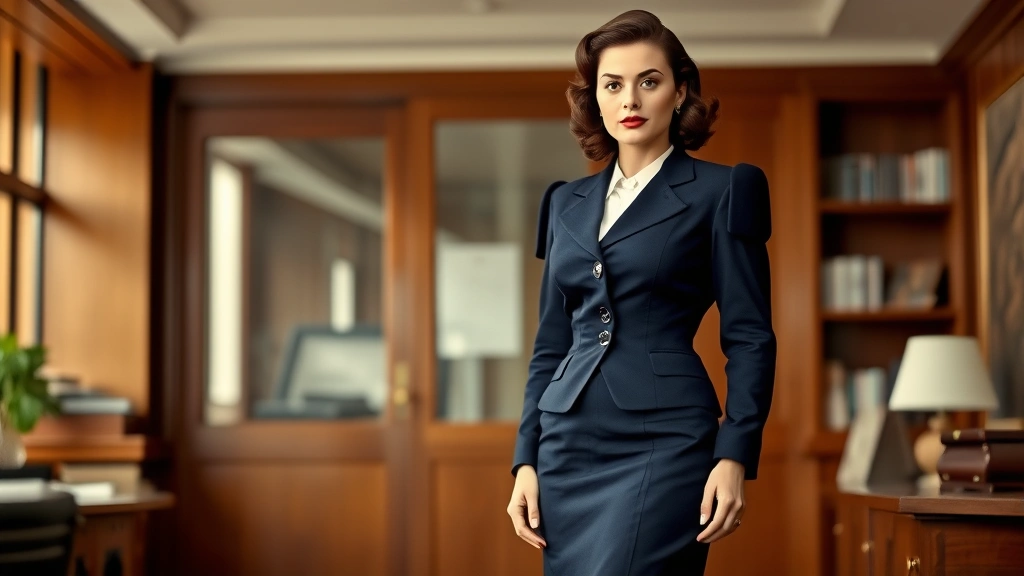
The 1940s silhouette represents one of fashion’s most recognizable shapes—bold, structured, and undeniably feminine. Characterized by broad, padded shoulders, a cinched waist, and a skirt that fell to mid-calf or just below the knee, this silhouette created a powerful hourglass figure that commanded attention. The shoulder padding, often called “power shoulders” or “soldier shoulders,” gave women an authoritative presence as they entered the workforce during wartime.
This distinctive shape wasn’t merely aesthetic; it reflected the era’s cultural moment. As men went to war, women stepped into factory jobs, offices, and leadership positions. The structured shoulders provided visual strength and presence, while the nipped-in waist maintained traditional femininity. This balance—combining power with elegance—became the hallmark of 1940s style.
The silhouette varied slightly between early-1940s wartime fashion and late-1940s post-war styles. Early in the decade, shoulders remained exaggerated, and hemlines rose slightly due to fabric rationing. By decade’s end, Christian Dior’s revolutionary New Look introduced a softer, more voluminous skirt while maintaining the structured bodice, creating an entirely new aesthetic that would dominate the 1950s.
Wartime Fashion and Rationing
From 1941 to 1945, fabric rationing profoundly impacted fashion design and consumer choices. The War Production Board restricted fabric use in civilian clothing, implementing strict regulations that limited dress hemlines, prohibited ruffles, and controlled the amount of material used in garments. These constraints forced designers to innovate, creating stylish pieces with minimal fabric waste.
Understanding fashion history timeline reveals how wartime restrictions actually elevated design creativity. Designers became masters of efficiency, creating elegant silhouettes without excess fabric. Hemlines rose to knee-length or slightly below, and decorative elements were minimized. Despite these limitations, women maintained their fashion sense through clever layering, accessorizing, and quality tailoring.
Utility clothing became fashionable necessity. The British government issued Utility Clothing regulations, and American manufacturers followed similar principles. These garments featured simple construction, durable fabrics, and practical design—yet remained stylish and well-proportioned. Women took pride in looking put-together despite rationing, demonstrating that style transcends material abundance.
Fabric substitutes emerged during this period. Rayon, a synthetic fiber, replaced silk in many applications. Wool was reserved for military uniforms, so cotton and linen became primary civilian fabrics. Clever women learned to care for garments meticulously, mending and altering pieces to extend their wardrobes. This resourcefulness became a point of pride and cultural identity.
IMAGE_2
Fabrics, Materials, and Substitutes
The 1940s fabric palette was constrained yet surprisingly varied. Cotton dominated civilian wardrobes, appearing in practical day dresses, work wear, and casual pieces. Linen provided crisp structure for tailored garments, while wool—when available—created warm coats and suits. Rayon, the decade’s synthetic miracle fiber, offered a silk-like sheen at accessible prices and became ubiquitous in dresses and blouses.
Gabardine gained popularity for its durability and refined appearance, particularly in suits and trousers. Jersey knit provided comfort for everyday wear and easy care—a significant advantage during wartime when laundry services were strained. Felt and other structured fabrics supported the era’s architectural silhouettes, allowing designers to create dramatic shoulders and fitted bodices.
Novelty fabrics reflected wartime innovation. Cellulose acetate, another synthetic, mimicked silk’s appearance while remaining affordable. Printed cotton fabrics featured patriotic themes, floral patterns, and geometric designs that brightened wardrobes during austere times. The quality of construction often compensated for fabric limitations; seams were expertly finished, hems were carefully sewn, and garments were designed to last.
Home sewing became essential during rationing, and fabric retailers offered practical cotton prints specifically marketed for home dressmakers. Pattern companies like Simplicity and McCall’s released designs that worked with limited yardage, enabling women to create fashionable clothing at home. This democratization of fashion meant that style wasn’t reserved for the wealthy—anyone with a sewing machine and determination could dress fashionably.
Key Garments and Pieces
Several garments defined 1940s women’s fashion and became wardrobe staples. The tailored suit represented professional elegance, featuring a fitted jacket with powerful shoulders and a pencil skirt. These suits, often in navy, black, or grey, projected authority and sophistication. They transitioned seamlessly from office to social occasions when accessorized appropriately.
The day dress served as the decade’s workhorse garment. Simple, practical, and flattering, day dresses featured simple necklines, short sleeves, and practical details like patch pockets. Many included a belt at the waist to emphasize the silhouette. Printed cotton fabrics made these dresses cheerful despite wartime austerity.
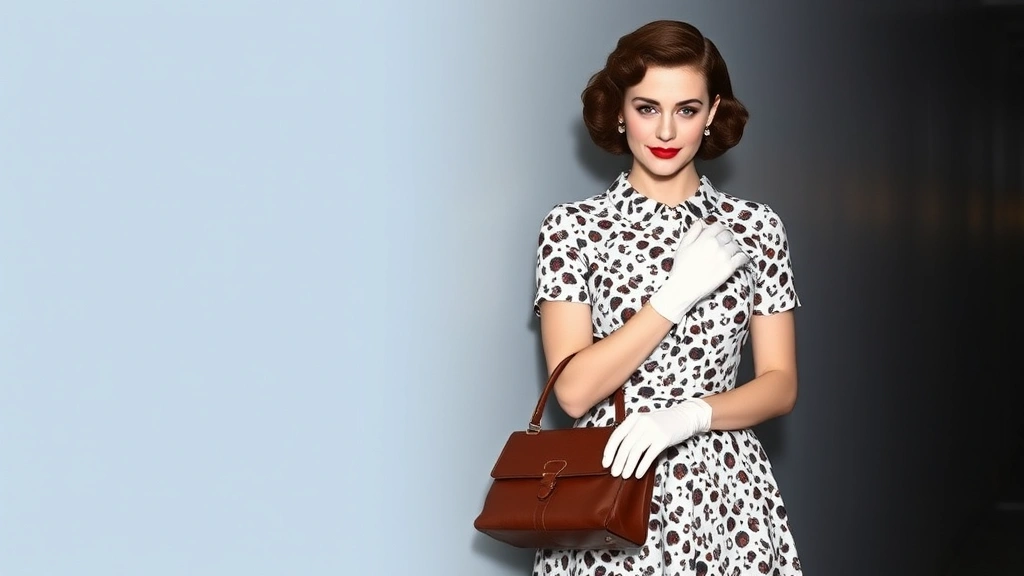
The shirtwaist dress combined the practicality of a shirt with dress construction, featuring button fronts, collars, and sometimes ties. These versatile pieces worked for work, casual outings, and even semi-formal occasions depending on fabric and accessories. They represented efficiency and femininity in perfect balance.
Trousers gained acceptance during the 1940s as women worked in factories and offices. While still considered somewhat daring for everyday wear, well-tailored trousers became standard workwear. High-waisted, with a tapered leg and pressed crease, 1940s trousers created a streamlined silhouette that remains flattering today.
The coat dress emerged as a practical solution for women’s wardrobes. This single-piece garment looked like a dress but featured a concealed coat layer, providing warmth and versatility. Women could wear it as a dress or open the coat layer for layered styling.
Evening wear, though limited by rationing, showcased glamour and femininity. Formal gowns featured elegant draping, strategic embellishment, and luxurious fabrics like satin and taffeta. These special-occasion pieces often employed clever design to appear more elaborate than fabric rationing technically allowed.
Accessories and Hair Styles
Accessories elevated 1940s fashion from simple to sophisticated. Hats were essential—no woman left home without one. Styles included wide-brimmed felt hats, close-fitting turbans, small tilted hats with netting or feathers, and practical berets. Millinery was high art, and hat shops were fashion destinations.
Gloves completed every outfit, from short white cotton gloves for casual wear to long leather or fabric gloves for formal occasions. Colors ranged from classic white, black, and grey to jewel tones and pastels. Gloves signified femininity, propriety, and style.
Handbags evolved from small structured purses to larger practical bags as women’s lives became busier. Materials included leather, reptile skin, fabric, and even lucite. Structured frames, top handles, and practical compartments characterized 1940s bag design.
Shoes featured thick, practical heels—often called “chunky heels”—that provided stability for women standing and working all day. Oxfords, pumps, and sandals appeared in leather and suede. Peep-toe shoes added a flirty touch to more formal outfits. Red lipstick-colored shoes became iconic, complementing the era’s bold lip color.
Hair styling defined 1940s beauty. The victory roll, created by rolling hair upward and pinning it atop the head, became symbolic of the era and practical for factory work. Other popular styles included finger waves, soft curls, and the “peek-a-boo” style popularized by actress Veronica Lake. Women visited salons weekly to maintain their waves and curls, as home styling required dedication.
Makeup emphasized bold lips and sculpted brows. Deep red or coral lipstick created a strong lip line, while eyebrows were plucked into thin, dramatic arches. Mascara and eyeliner added definition, and rouge added color to cheeks. This makeup style complemented the decade’s structured fashion perfectly.
The New Look Revolution
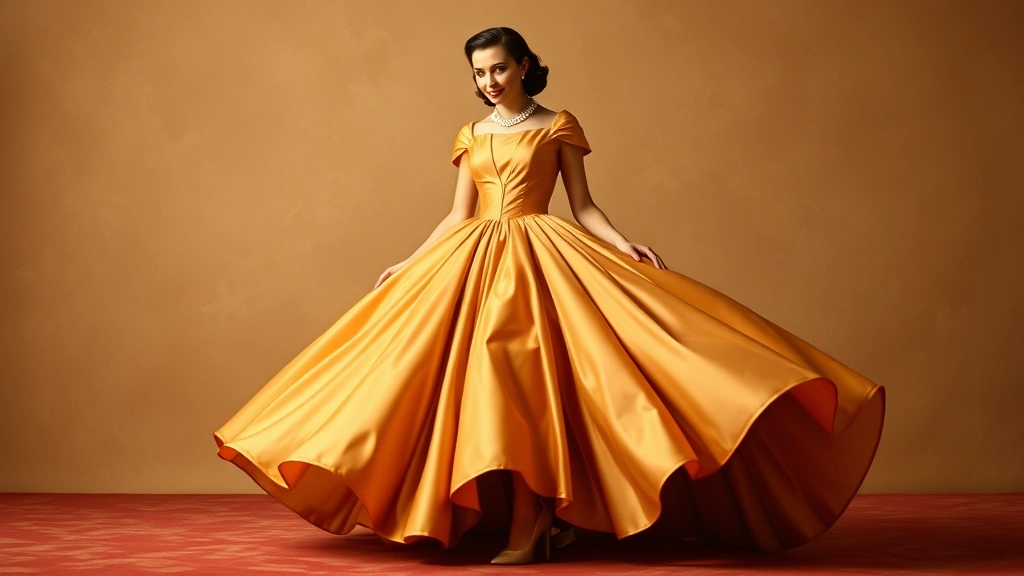
As World War II ended in 1945, fashion underwent a dramatic transformation. Christian Dior’s 1947 “New Look” collection revolutionized silhouettes and symbolized post-war optimism and abundance. The New Look featured a dramatically full skirt supported by layers of petticoats, a cinched waist, and a structured bodice—but the skirt volume represented a radical departure from wartime constraint.
This silhouette required substantially more fabric than wartime fashion allowed, symbolizing peace and prosperity returning. The full skirt, sometimes using up to ten yards of fabric per garment, represented liberation from rationing. Women embraced this romantic, feminine aesthetic enthusiastically, and the New Look dominated late-1940s and 1950s fashion.
The transition from wartime to post-war fashion happened relatively quickly. Women who had worn practical, utilitarian clothing suddenly craved femininity and luxury. The New Look offered both—it was undeniably feminine and romantic while maintaining the structured elegance of 1940s tailoring. This evolution demonstrates how types of fashion reflect broader cultural moments and social needs.
IMAGE_3
Colors and Patterns
The 1940s color palette reflected both wartime practicality and the era’s optimism. Neutral tones dominated—navy, black, grey, brown, and beige provided versatility and practicality. These colors allowed women to mix and match pieces, extending their limited wardrobes through strategic layering and accessorizing.
When color appeared, it was often bold and purposeful. Red, particularly in lipstick shades, became iconic. Deep jewel tones—emerald, sapphire, and ruby—appeared in evening wear. Pastels, including soft pink, pale blue, and cream, offered lighter alternatives. Mustard yellow and forest green brought warmth to neutral palettes.
Patterns provided visual interest within practical constraints. Floral prints, often featuring small-scale designs, brightened cotton day dresses. Polka dots, stripes, and geometric patterns appeared frequently. Paisley and other traditional patterns offered sophistication. Patriotic patterns, including flag motifs and military-inspired designs, reflected wartime sentiment.
Two-tone combinations created visual interest without requiring additional fabric. Color-blocking—placing contrasting colors in specific areas—appeared in collars, cuffs, and waistbands. This clever technique maximized visual impact while maintaining practical fabric use.
Modern Styling Tips for 1940s Fashion
Incorporating 1940s fashion into modern wardrobes requires understanding the era’s key principles and adapting them to contemporary life. Start by embracing the silhouette—look for pieces that emphasize shoulders, cinch the waist, and create an hourglass shape. Modern fashion houses frequently reference 1940s design, making it easier than ever to find period-appropriate pieces.
When shopping for 1940s-inspired clothing, prioritize quality tailoring. The era emphasized well-constructed garments that fit perfectly. Invest in tailored blazers with structured shoulders, fitted pencil skirts, and well-made trousers. These pieces form the foundation of an authentic 1940s-inspired wardrobe.
Accessories are crucial for achieving the 1940s aesthetic. Add a vintage or vintage-inspired hat, quality leather gloves, and a structured handbag. These details transform even contemporary pieces into period-appropriate looks. Vintage jewelry, particularly costume pieces with geometric designs, completes the ensemble.
Understanding how to find your personal style helps you adapt 1940s fashion to your preferences. Not every element of the era works for everyone—perhaps you love the silhouette but prefer modern hair, or you adore the accessories but prefer contemporary makeup. Fashion is personal; use 1940s inspiration as a starting point for developing your unique aesthetic.
Hair and makeup require careful consideration when styling 1940s fashion. While victory rolls and bold red lips are iconic, you might prefer softer waves and muted lipstick. The key is maintaining the era’s polished, intentional aesthetic. Whether you choose historically accurate styling or modern interpretations, ensure your overall look feels cohesive and confident.
Layer thoughtfully, using the era’s approach to mixing pieces. A tailored jacket over a day dress, a cardigan over a blouse, or a coat dress over a slip creates visual interest and practical warmth. The 1940s mastered layering as both a practical necessity and a style technique.
Visit Style Loom Daily Blog for additional inspiration and styling guidance. The blog offers contemporary perspectives on vintage fashion and practical tips for incorporating historical styles into modern wardrobes.
FAQ
What was the most iconic silhouette of 1940s women’s fashion?
The most iconic 1940s silhouette featured broad, padded shoulders, a cinched waist, and a mid-calf-length skirt. These “power shoulders” gave women visual authority while maintaining femininity through the fitted waist and full skirt. This silhouette became synonymous with 1940s elegance and remains instantly recognizable today.
How did fabric rationing affect 1940s fashion design?
Fabric rationing forced designers to innovate creatively, maximizing style while minimizing material use. Hemlines rose, ruffles were eliminated, and construction became efficient and elegant. Rather than limiting fashion, rationing elevated design creativity and demonstrated that style transcends material abundance. Designers became masters of proportion and silhouette during this period.
What replaced silk during World War II rationing?
Rayon, a synthetic fiber, became the primary silk replacement during wartime. This affordable alternative offered a silk-like sheen and drape while remaining accessible to average consumers. Cotton and linen also became primary fabrics as wool was reserved for military uniforms. These substitutes, combined with innovative design, kept fashion accessible and stylish despite material constraints.
How can I incorporate 1940s fashion into my modern wardrobe?
Start by selecting pieces that emphasize the 1940s silhouette—tailored blazers with structured shoulders, fitted pencil skirts, and well-made trousers. Add authentic accessories like hats, gloves, and structured handbags. Look for vintage pieces or modern reproductions that capture the era’s aesthetic. Remember that you can adapt 1940s inspiration to your personal style, mixing period elements with contemporary pieces for a look that feels authentically yours.
What was the “New Look” and why was it significant?
The New Look, introduced by Christian Dior in 1947, featured a dramatically full skirt, cinched waist, and structured bodice. Requiring significantly more fabric than wartime styles, the New Look symbolized post-war prosperity and liberation from rationing. It revolutionized fashion silhouettes and dominated late-1940s and 1950s style, representing a cultural shift toward optimism and abundance.
Were trousers acceptable for women in the 1940s?
Trousers gradually became acceptable during the 1940s, particularly as women entered the workforce during wartime. Factory jobs and office work made practical, well-tailored trousers necessary. By decade’s end, women’s trousers were established as legitimate fashion items, though they were still considered somewhat daring for everyday casual wear. This shift marked an important moment in women’s fashion liberation.
What role did accessories play in 1940s fashion?
Accessories were absolutely essential to 1940s fashion. Hats, gloves, handbags, and jewelry completed every outfit and communicated status, style, and attention to detail. These items allowed women to express individuality within the era’s structured silhouettes and provided ways to refresh limited wardrobes through strategic accessorizing. Understanding the importance of fashion trends for women over 50 and other demographics shows how accessories remain crucial across all eras and age groups.
How did home sewing contribute to 1940s fashion?
Home sewing became essential during wartime rationing, enabling women to create fashionable clothing within fabric limitations. Pattern companies released designs specifically for home dressmakers, making fashion accessible beyond wealthy consumers. This democratization of fashion meant that style wasn’t reserved for the elite—anyone with determination and basic sewing skills could dress fashionably and maintain their personal style despite material constraints.