1930s Women’s Fashion: Vintage Style Tips
The 1930s represent one of fashion’s most elegant and sophisticated eras, a decade where elegance met economic uncertainty and women redefined what it meant to dress with purpose and grace. This was the golden age of Old Hollywood glamour, where starlets like Greta Garbo, Katharine Hepburn, and Marlene Dietrich dominated the silver screen and fashion consciousness worldwide. The 1930s women’s fashion landscape was characterized by bias-cut silhouettes, luxurious fabrics, and a refined aesthetic that prioritized drape, movement, and understated luxury over the excessive ornamentation of previous decades.
What makes 1930s fashion particularly compelling for modern style enthusiasts is its remarkable balance between practicality and glamour. Despite the Great Depression’s harsh economic realities, women found ways to look impeccable through clever tailoring, versatile pieces, and timeless design principles that remain relevant today. Whether you’re drawn to vintage aesthetics or simply seeking how to find your personal style through historical inspiration, the 1930s offers invaluable lessons in elegance, proportion, and the power of well-constructed clothing.
The Silhouette Revolution: Bias Cuts and Fluid Lines
The most transformative development in 1930s women’s fashion was undoubtedly the introduction and popularization of the bias cut. Pioneered by legendary designer Madeleine Vionnet at Vogue, this revolutionary cutting technique involved slicing fabric diagonally across the grain, creating garments that clung to the body in the most flattering way imaginable while allowing for fluid, graceful movement. Unlike the restrictive corsetry of the Victorian era or the dropped waistlines of the 1920s, the bias cut celebrated the female form with sophistication and sensuality.
The silhouette of the 1930s was decidedly feminine yet modern. Women’s dresses featured a gentle curve at the hip, a streamlined torso, and often incorporated dramatic floor-length skirts that swirled elegantly when walking. The waistline returned to a more natural position, typically just at or slightly above the natural waist, and shoulders were often softly emphasized through clever seaming or subtle padding. This was an era when tailoring mattered tremendously; every seam, dart, and hem was calculated to enhance the wearer’s silhouette while maintaining an air of effortless elegance.
The evening gown exemplified this aesthetic perfection. Backless or featuring delicate halter necklines, these gowns created an illusion of lengthening the body while the bias-cut fabric hugged curves in all the right places. Daytime dresses were equally refined, featuring subtle details like pleated skirts, asymmetrical hemlines, and strategic ruching that added visual interest without overwhelming the overall design. Understanding these types of fashion construction methods helps modern wearers appreciate why vintage 1930s pieces remain so coveted.
Luxurious Fabrics and Textures
The 1930s were a golden age for fabric innovation and luxury. Despite economic hardship affecting many consumers, the fashion industry continued to develop and celebrate the most exquisite materials available. Silk dominated the decade, particularly silk crepe, silk satin, and silk charmeuse, which were prized for their ability to drape beautifully and create that signature fluid silhouette. These fabrics had a luxurious weight and movement that synthetic alternatives simply could not replicate.
Velvet experienced a major resurgence during this period, often used for evening wear and creating stunning visual contrasts when combined with silk. The deep richness of velvet complemented the era’s color palette perfectly and added textural sophistication to garments. Lace also played a significant role, particularly in evening wear and delicate day dresses, often featuring intricate geometric patterns that reflected the Art Deco influence still prevalent in early 1930s design.
For more casual daytime wear, women favored cotton and wool blends, linen, and rayon, which was becoming increasingly popular as an affordable silk alternative. These fabrics were practical for everyday wear while still maintaining the refined appearance the era demanded. The quality of these materials meant that even simpler garments possessed an inherent elegance. Texture was equally important; ribbed fabrics, jacquard weaves, and subtle patterns added visual interest while maintaining the sophisticated aesthetic.
Fur was another luxury element frequently incorporated into 1930s fashion, with fox stoles, mink collars, and elaborate fur coats serving as status symbols and practical additions to winter wardrobes. The way fur was styled—often casually draped over the shoulders or worn as dramatic collar treatments—added to the refined, understated glamour of the era.
The 1930s Color Palette
The color palette of 1930s women’s fashion reflected both the influence of Art Deco design and the more muted, sophisticated sensibilities developing as the decade progressed. Jewel tones dominated, particularly emerald green, sapphire blue, deep ruby red, and rich burgundy. These colors were often seen in evening wear and special occasion dresses, creating a sense of understated opulence. Black remained a staple, particularly for sophisticated day dresses and elegant evening wear, often relieved by strategic use of lace, beading, or contrasting fabrics.
Metallic tones, especially silver and gold, appeared frequently in evening wear and as accents in jewelry and accessories. Champagne, ivory, and cream provided elegant alternatives to pure white, offering a softer, more sophisticated appearance. Pastels, including soft pink, pale blue, and lavender, were popular for daytime wear and summer dresses, though they were typically more muted than their 1920s counterparts.
As the decade progressed and economic conditions worsened, colors became increasingly sophisticated and subtle. Earth tones including camel, taupe, and warm browns became more prevalent, offering both practicality and elegance. Prints were less common than in previous decades, but when they appeared, they were typically subtle geometric patterns or small florals that didn’t overwhelm the garment’s carefully constructed silhouette.
The use of color was always considered and intentional; the 1930s woman understood that a single well-chosen color could make a powerful statement. This principle remains valuable today for anyone seeking to build a cohesive, elegant wardrobe inspired by vintage aesthetics.
Iconic Pieces Every Vintage Lover Should Know
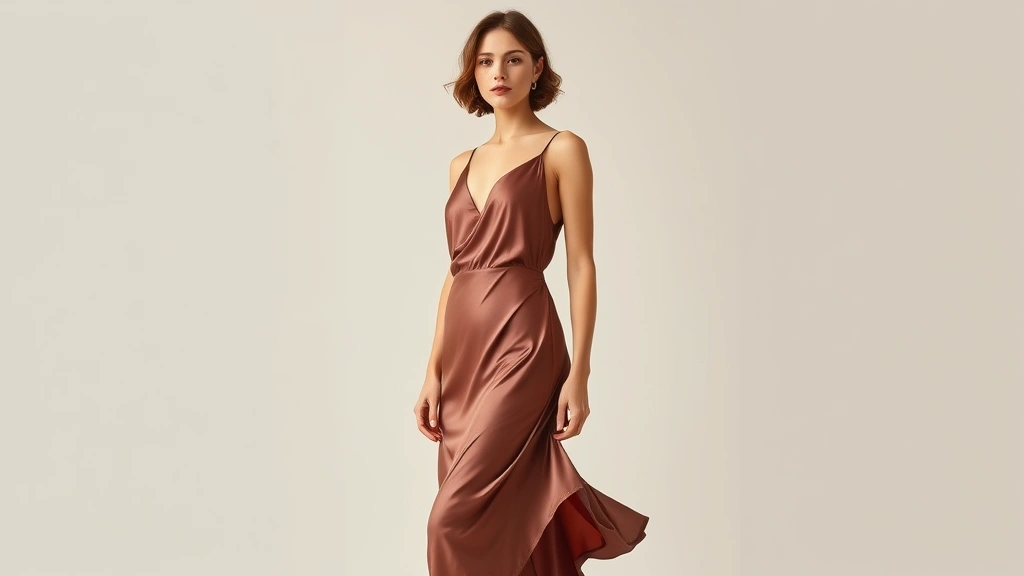
Understanding the key garments of 1930s fashion is essential for anyone interested in incorporating this era’s style into their contemporary wardrobe. The slip dress emerged as perhaps the most iconic piece of the decade—a simple, elegant garment that relied entirely on the beauty of fabric and cut rather than ornamentation. These dresses were typically made from silk or silk-like materials and featured minimal construction, allowing the bias cut to do all the work.
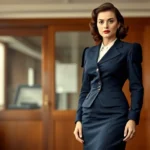
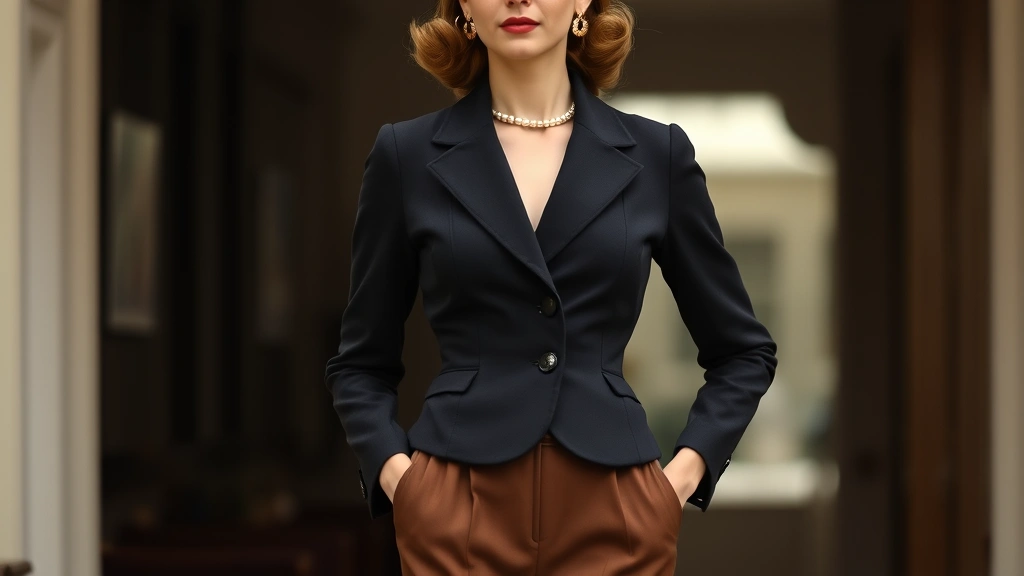
The day dress was equally important, typically featuring a fitted bodice, defined waistline, and skirt with interesting details like pleats, godets, or asymmetrical hemlines. These dresses were designed to be practical yet polished, suitable for shopping, lunching, or professional work. The tailored suit also gained prominence during the 1930s, offering women a more masculine, powerful silhouette while maintaining feminine elegance through careful proportioning and often featuring interesting jacket details like peplum hems or asymmetrical closures.
Evening gowns represented the pinnacle of 1930s fashion achievement. These gowns often featured dramatic backs, intricate beading or embroidery, and utilized the bias cut to maximum effect, creating a sensual yet refined aesthetic. Many featured cape sleeves, handkerchief hems, or elaborate train details that added movement and drama without sacrificing sophistication. Discover more about fashion accessories that complemented these iconic pieces perfectly.
The beach pajama, or palazzo pant, represented a more daring innovation, offering women a sophisticated alternative to traditional swimwear for seaside entertaining. These wide-legged trousers, often made from silk or linen, embodied the decade’s spirit of practical elegance while offering a hint of rebellion against traditional feminine dress codes.
Jackets were architectural in their construction, often featuring dramatic shoulders, nipped waists, and interesting lapel treatments. Cardigans and twin sets provided everyday elegance, while fur stoles and wraps added instant sophistication to any outfit. The structured coat, often featuring a fitted silhouette and interesting collar details, was an essential wardrobe staple that could elevate any dress beneath it.
Accessories and Details That Defined the Era
Accessories in the 1930s were never afterthoughts but rather integral components of a carefully considered ensemble. Hats were absolutely essential, with styles ranging from small, close-fitting cloche hats that continued from the 1920s to more elaborate creations featuring feathers, veils, or interesting brimlines. The hat was often the most visible expression of personal style and current fashion trends, and no well-dressed woman would venture outside without one.
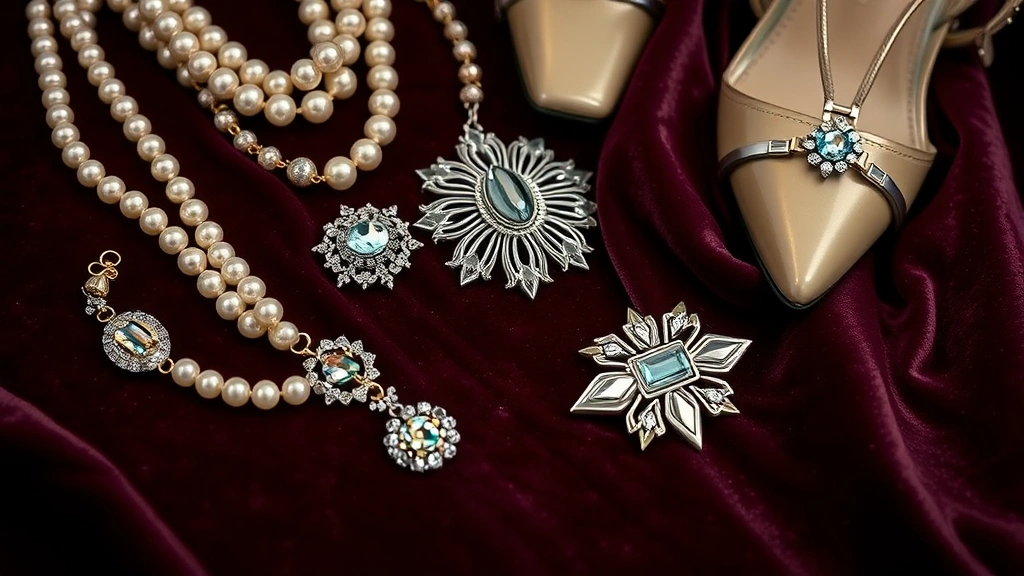
Gloves were equally important, typically worn in kid leather or silk, extending to various lengths from short wrist-length to opera length for evening wear. Long gloves, particularly in white or cream, were considered essential for formal events and added an element of elegance and formality to any outfit. Jewelry was often minimal but impactful, with long strands of pearls, Art Deco brooches, and geometric earrings providing subtle glamour without overwhelming the carefully constructed silhouette.
Shoes reflected the era’s focus on elegance and proportion. High heels, typically ranging from two to three inches, were the standard for both day and evening wear. T-strap shoes were particularly popular, offering both practicality and style. Evening shoes were often embellished with rhinestones, beads, or interesting metallic finishes. For daytime, simple pumps or oxford-style shoes in neutral tones provided understated sophistication.
Bags were functional yet fashionable, often featuring structured shapes, interesting closures, and quality materials like leather or silk. Beaded evening bags represented a height of luxury and craftsmanship, with intricate beadwork creating elaborate patterns. Clutches were popular for evening, while larger structured bags served daytime needs.
Stockings were essential, typically in neutral tones like beige or black, often featuring decorative seams that ran up the back of the leg. Garters, though not visible, were necessary to keep stockings in place. Scarves, particularly silk scarves featuring geometric or floral patterns, provided versatile ways to add color and interest to outfits. These fashion accessories elements worked together to create a cohesive, polished appearance.
Hairstyles and Makeup Trends
The 1930s saw a significant shift in hairstyling as the decade progressed. The short, bobbed hair of the 1920s gradually gave way to longer, more wave-set styles. The permanent wave, or perm, became increasingly popular and accessible, allowing women to achieve the sophisticated waves and curls that defined 1930s beauty. These waves were typically set close to the head, creating an elegant frame for the face while maintaining the era’s emphasis on refined femininity.
The Marcel wave, created using heated iron tools, was another popular styling method that produced deep, sculptural waves in the hair. Many women visited salons weekly to maintain these carefully crafted waves. Hair was typically worn at shoulder length or slightly longer, often styled to one side or featuring an elegant updo for evening occasions. The center part gradually replaced the side part as the decade progressed, creating a more balanced, sophisticated appearance.
Makeup in the 1930s became more natural and refined compared to the dramatic makeup of the previous decade. While the 1920s had favored bold, dark lips and heavy eye makeup, the 1930s aesthetic leaned toward subtlety and enhancement rather than transformation. Foundation became more sophisticated, with women seeking a flawless, porcelain-like complexion. Eyebrows were typically well-groomed and slightly arched, creating definition without appearing severe.
Eyes were enhanced with mascara and subtle eyeshadow, typically in neutral tones or soft shades that complemented the wearer’s coloring. The emphasis was on creating a well-defined eye without the heavy, dramatic appearance of the previous decade. Lips remained important, but the emphasis shifted toward shapes and proportions rather than extreme color. Red lips remained popular, but the application was more refined, often featuring a more natural shape that followed the natural lip line rather than dramatically extending beyond it.
Rouge was applied subtly to create a naturally flushed appearance, typically concentrated on the apples of the cheeks and blended upward. Perfume and fragrances became increasingly important, with women wearing signature scents that complemented their overall aesthetic. The overall makeup philosophy reflected the decade’s emphasis on sophisticated elegance and refined femininity.
Incorporating 1930s Fashion Into Modern Wardrobes
The enduring appeal of 1930s women’s fashion lies in its fundamental principles of elegance, proportion, and quality construction—all elements that remain relevant and desirable today. To successfully incorporate 1930s-inspired pieces into a contemporary wardrobe, start by understanding the silhouette. Look for pieces that feature fitted bodices, defined waistlines, and graceful skirts or trousers. The bias cut, while difficult to replicate perfectly, creates a distinctive drape that is immediately recognizable and universally flattering.
Invest in quality basics in neutral tones—cream, black, navy, and camel—that serve as foundations for building outfits. A well-fitted black slip dress can be dressed up with evening accessories or down with a cardigan and flats for casual wear. Vintage slip dresses, whether authentic 1930s pieces or modern reproductions, offer remarkable versatility and embody the era’s sophisticated simplicity. Layer these pieces with structured jackets or cardigans to create interesting silhouettes that nod to 1930s proportions.
Look for modern pieces that incorporate 1930s design elements: bias-cut skirts, art deco jewelry, T-strap heels, or structured blazers with interesting details. Many contemporary designers draw inspiration from this era, creating new pieces that capture its essence while meeting modern needs. Visit The Complete Fashion History Timeline to understand how 1930s fashion evolved from previous eras and influenced subsequent decades.
Accessories are your secret weapon for incorporating 1930s style without appearing costume-like. A string of pearls, vintage-inspired jewelry featuring geometric designs, a structured handbag, or a silk scarf can instantly elevate contemporary outfits while noding to 1930s aesthetics. Hats, though less essential in modern life, can make dramatic style statements when chosen thoughtfully. A small fascinator, beret, or fedora-style hat adds instant sophistication.
Pay attention to proportion and fit. The 1930s were all about garments that fit properly and flattered the wearer’s body. Avoid oversized, shapeless pieces that don’t acknowledge the body’s natural contours. Tailoring is your friend; a well-fitted dress or jacket immediately elevates any outfit and captures the refined aesthetic of the era. Consider having favorite pieces tailored to ensure proper fit, which is often the difference between looking vintage and looking polished.
Develop a color palette that reflects 1930s sophistication: jewel tones for special occasions, neutrals for everyday wear, and perhaps a few pastels for warmer months. Avoid overly bright or neon colors that clash with the era’s refined sensibilities. When selecting patterns, keep them subtle and geometric rather than loud or novelty prints.
Learn more about how to find your personal style by studying how 1930s women expressed individuality within the era’s refined aesthetic. The most stylish 1930s women weren’t those who wore the most expensive clothes but rather those who understood proportion, quality, and how to present themselves with confidence and sophistication. This principle remains timeless and valuable for modern style enthusiasts.
Visit Style Loom Daily Blog for regular style inspiration and trend analysis that helps contextualize vintage fashion within contemporary aesthetics. Understanding fashion history provides invaluable perspective on current trends and helps develop a more sophisticated personal style.
FAQ
What defines 1930s women’s fashion most distinctly?
The bias cut, developed by designer Madeleine Vionnet, is the most distinctive feature of 1930s fashion. This revolutionary cutting technique created garments that draped beautifully on the body while allowing fluid movement. The resulting silhouette featured a fitted bodice, defined waistline, and graceful skirts, emphasizing feminine curves while maintaining sophisticated elegance. The emphasis on quality fabrics, careful tailoring, and refined simplicity also defines the era.
Where can I find authentic 1930s clothing pieces?
Authentic 1930s pieces can be found through vintage clothing dealers, specialized vintage boutiques, estate sales, and online marketplaces dedicated to vintage fashion. Auction houses occasionally feature significant 1930s pieces. When shopping for vintage, look for quality construction, natural fibers like silk and wool, and pieces that have been well-preserved. Be prepared to invest in pieces that require professional cleaning or minor repairs, as vintage garments may need attention after decades of storage.
How can I style 1930s pieces with modern clothing?
The key to successfully mixing vintage and contemporary pieces is understanding proportion and silhouette. Pair a vintage 1930s slip dress with a modern cardigan or jacket, or wear vintage trousers with a contemporary blouse. Use vintage accessories like jewelry, scarves, or hats to add 1930s touches to modern outfits. The trick is balancing vintage pieces with contemporary elements so the overall look feels current rather than costume-like. Focus on quality, fit, and proportion rather than trying to recreate an entirely vintage look.
What fabrics are most authentic to 1930s fashion?
Silk, particularly silk crepe and silk satin, was the most luxurious and frequently used fabric of the 1930s. Velvet, lace, and wool were also popular. For everyday wear, women wore cotton, linen, and increasingly, rayon, which was marketed as an affordable silk alternative. When shopping for 1930s-inspired pieces, prioritize natural fibers that drape well and have appropriate weight for the garment type.
Were pants acceptable for women in the 1930s?
While dresses remained the norm for most occasions, women’s trousers did gain acceptance during the 1930s, particularly beach pajamas and tailored slacks for casual wear. Actresses like Marlene Dietrich and Katharine Hepburn famously wore trousers, though this was considered daring and was not universally accepted. For formal occasions and professional settings, dresses remained the standard. The acceptance of women’s trousers was gradually increasing during this decade, reflecting changing attitudes toward women’s fashion and society.
How important were hats in 1930s fashion?
Hats were absolutely essential to 1930s fashion and were worn for virtually any occasion outside the home. They represented status, style, and adherence to social conventions. Styles ranged from small, close-fitting cloche hats to more elaborate creations featuring feathers, veils, or interesting brimlines. A woman’s hat was often her most visible fashion statement and could cost a significant portion of her clothing budget. While hats are no longer essential today, they remain a powerful accessory for adding 1930s flair to modern outfits.
What role did jewelry play in 1930s fashion?
Jewelry in the 1930s was typically minimal but impactful. Long strands of pearls, often worn in multiples, were iconic. Art Deco-inspired geometric brooches, bracelets, and earrings provided sophisticated accents without overwhelming the carefully constructed silhouette. Jewelry was chosen to complement rather than dominate an outfit. Costume jewelry became increasingly popular and acceptable, allowing women of varying economic means to enjoy fashionable accessories. The emphasis was on quality design and proportion rather than necessarily precious materials.
How did the Great Depression influence 1930s fashion?
The Great Depression created interesting contradictions in 1930s fashion. While many people had limited budgets, the fashion industry continued producing elegant, sophisticated designs. Women became more creative about making garments last longer, investing in quality basics that could be mixed and matched, and using accessories to refresh outfits. The emphasis on timeless elegance and quality construction partly reflected economic necessity—well-made pieces would last longer and never go out of style. This practicality combined with aspirational glamour, particularly inspired by Hollywood, created the distinctive aesthetic of the era.