How to Dress Like the 1930s? Fashion Historian Tips for 1930s Men’s Fashion
The 1930s represented one of the most transformative decades in menswear history, a period when elegance met practicality during the Great Depression. While economic hardship defined the era, men’s fashion paradoxically flourished with refined tailoring, innovative fabric treatments, and a distinctly sophisticated silhouette that remains aspirational today. This golden age of menswear produced timeless pieces that continue to influence contemporary style, from the iconic three-piece suit to the relaxed drape of high-waisted trousers. Understanding how to authentically dress in 1930s style requires more than simply throwing on vintage pieces—it demands knowledge of the era’s construction techniques, color palettes, and the social contexts that shaped every sartorial choice.
Fashion historians and style experts consistently point to the 1930s as a pivotal moment when menswear transitioned from Victorian rigidity to modern sophistication. The decade witnessed the rise of Hollywood influence, the democratization of fashion through department stores, and a cultural shift toward practicality without sacrificing elegance. Whether you’re interested in exploring fashion style through historical lenses or seeking to incorporate vintage elements into your contemporary wardrobe, understanding 1930s men’s fashion provides invaluable insights into timeless dressing principles that transcend decades.
The Silhouette and Construction Techniques
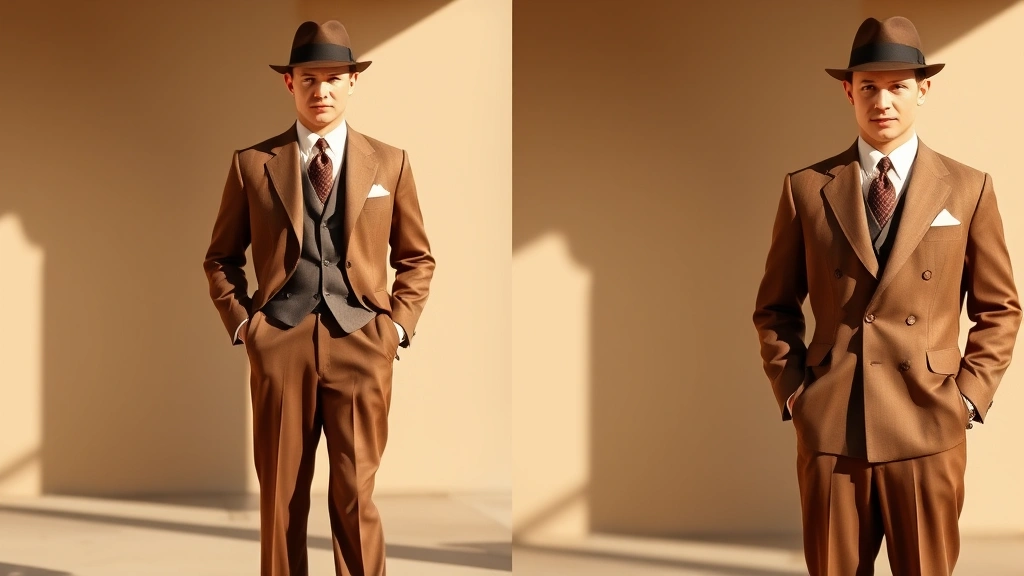
The defining characteristic of 1930s menswear was the dramatic shift toward a high-waisted, broad-shouldered silhouette that created an inverted triangle aesthetic. Unlike the baggy, shapeless silhouettes of the 1920s, 1930s tailoring emphasized structure, with padded shoulders that extended beyond natural shoulder width and jackets that nipped inward at the waist. This construction required exceptional craftsmanship, with tailors hand-stitching internal structures to create the desired shape. The chest was emphasized through strategic padding, while the waist remained defined, creating a powerful yet elegant proportion that flattered the male form.
The trouser construction during this period was equally revolutionary. High-waisted trousers—typically sitting at or above the natural waist—featured a pronounced drape that fell straight from hip to ankle without tapering. This drape, achieved through careful fabric manipulation and the absence of cuffs in many cases, created an elongated leg line that photographers and style icons of the era favored. The rise was often 14-16 inches, significantly higher than modern standards, and this elevation fundamentally changed how suits proportioned on the body. Understanding this construction principle is essential for anyone seeking to authentically recreate 1930s style, as wearing modern low-rise trousers completely disrupts the intended silhouette.
Jacket construction during the 1930s emphasized what tailors called “soft tailoring,” a technique that relied on internal structure rather than excessive interfacing. Lapels were typically notched and relatively narrow by modern standards, usually between 3-3.5 inches wide. The button stance—the positioning of the top button—was higher than contemporary jackets, often placed at mid-chest, which contributed to the elongated torso effect. Sleeves were cut with a subtle pitch and featured a natural shoulder line that, while padded, maintained an elegant slope rather than the exaggerated power shoulders that would dominate the 1940s.
Suits and Tailoring: The Foundation of 1930s Style
The business suit was the cornerstone of 1930s menswear, serving as the uniform for professional men, social occasions, and even casual daytime wear. Single-breasted jackets dominated the decade, typically featuring two or three buttons with the two-button configuration becoming increasingly popular as the decade progressed. Double-breasted suits existed but were less common for everyday wear, reserved more for formal occasions or evening wear. The key to authentically dressing in 1930s style involves sourcing or tailoring suits that reflect these proportions, which means working with skilled tailors who understand historical construction methods.
Three-piece suits—jacket, waistcoat, and trousers—represented the height of sophistication during the 1930s, and this combination remains the most recognizable silhouette from the era. The waistcoat, typically made from the same fabric as the suit or sometimes in contrasting patterns, served both aesthetic and practical purposes, providing additional structure and allowing the jacket to be removed in informal settings while maintaining a polished appearance. When constructing or sourcing 1930s-inspired suits, attention to waistcoat details is crucial: they should feature a V-neckline, typically five or six buttons, and should sit at the natural waist, partially visible beneath the jacket.
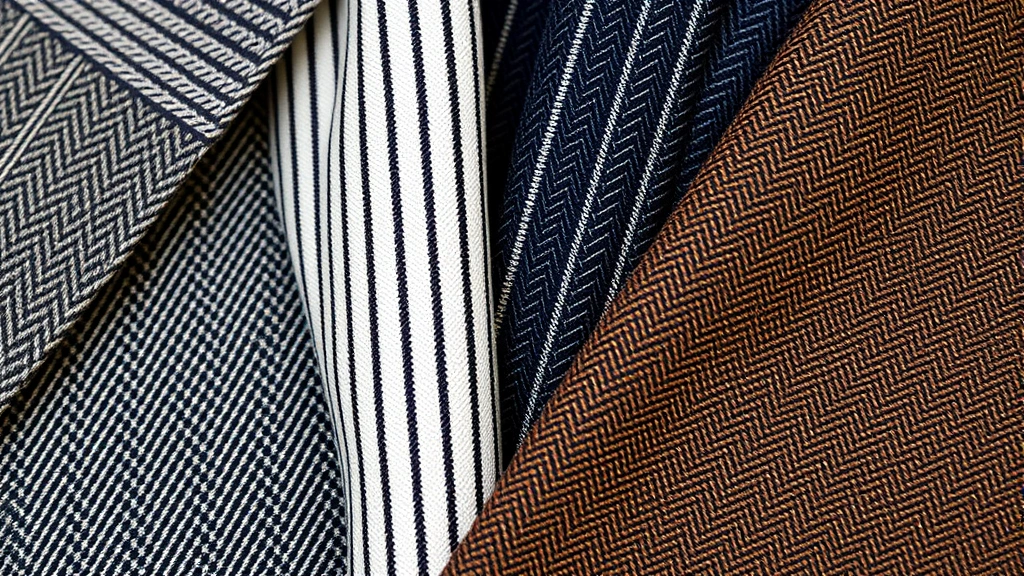
Color selection for 1930s suits leaned toward sophisticated neutrals and muted tones. Navy blue, charcoal gray, medium brown, and black formed the foundation of most men’s wardrobes, with these colors chosen for their versatility and professional appearance. However, the 1930s also saw increased experimentation with lighter shades, including light gray, tan, and even soft green, particularly for spring and summer wear. These colors often appeared in subtle patterns—small checks, fine stripes, or herringbone weaves—that added visual interest without overwhelming the silhouette. Understanding types of fashion from different eras helps contextualize these color choices within their historical and social frameworks.
Fabrics, Colors, and Patterns: Material Mastery
The fabric selection during the 1930s reflected both the economic constraints of the Depression and the technical innovations of the era. Wool remained the dominant fiber for suiting, prized for its durability, drape, and ability to maintain structure. However, the 1930s witnessed significant experimentation with wool blends, incorporating small percentages of synthetic fibers that improved wrinkle resistance and longevity—practical considerations during an economically challenging decade. Flannel, tweed, and gabardine emerged as popular choices, each offering distinct aesthetic and functional properties. Flannel provided warmth and softness, tweed offered texture and durability, while gabardine—a smooth, tightly woven fabric—became increasingly fashionable for its elegant appearance and practical properties.
Pattern selection during the 1930s demonstrated remarkable sophistication. While solid colors dominated, patterns appeared in subtle iterations: narrow pinstripes (typically 1/8 inch to 1/4 inch width), small checks, glen checks, and herringbone weaves. These patterns were designed to complement rather than dominate the silhouette, with the understanding that the suit’s structure and proportions carried the primary visual impact. Larger, bolder patterns were generally reserved for casual wear and sportswear, while business suits maintained restrained aesthetic sensibilities. Striped shirts, featuring thin vertical lines in blue, black, or burgundy on white or cream backgrounds, provided subtle visual interest beneath the jacket and coordinated beautifully with patterned ties.
Seasonal considerations influenced fabric weight and finish. Summer suiting incorporated lighter-weight wools, linens, and linen blends that provided breathability without sacrificing structure. These fabrics often featured lighter colors—cream, light gray, pale blue—and sometimes appeared in tropical-weight versions that draped beautifully while remaining crisp. Winter suiting employed heavier-weight wools, often with subtle nap finishes that created depth and richness. The 1930s also saw increased availability of worsted wools, which featured a smooth, lustrous finish that photographers found particularly flattering and that remains highly desirable among vintage enthusiasts.
Accessories and Footwear: Completing the Look
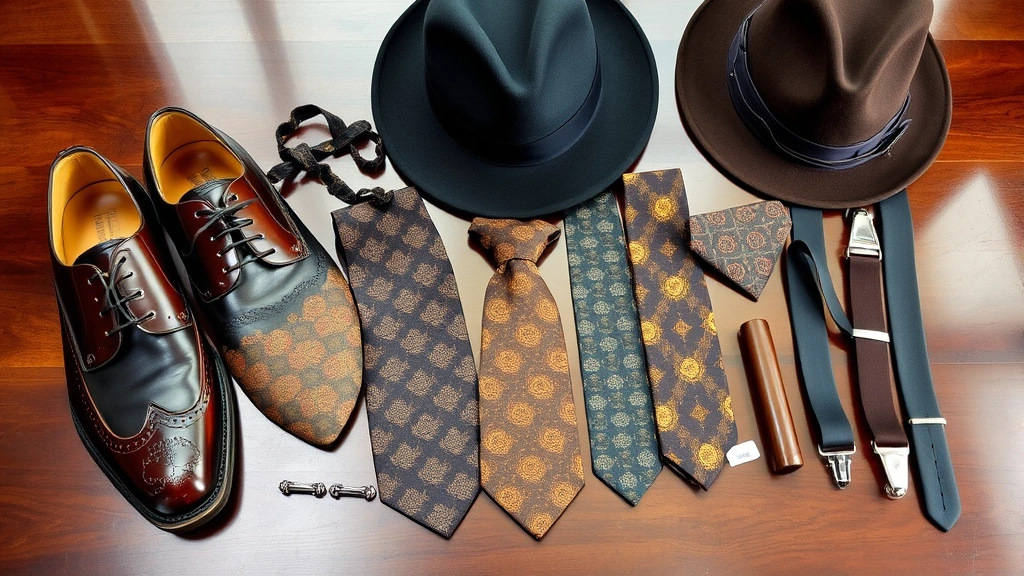
Accessories during the 1930s served as the primary means of personal expression within the framework of conservative menswear conventions. Neckties, typically featuring silk construction with hand-rolled edges, displayed remarkable variety in pattern and color. Art deco influences manifested in geometric patterns, while traditional designs included narrow stripes, small paisleys, and abstract motifs. Tie widths were notably narrower than modern standards, typically 2.5-3 inches at the widest point, and ties were worn at specific lengths that created proportional balance with the high-waisted trousers and higher button stances of the era. The quality of tie construction—including the use of quality silk, proper interlining, and meticulous finishing—distinguished well-dressed men from the merely clothed.
Pocket squares, worn in the jacket breast pocket, provided another avenue for subtle sophistication. These accessories, typically made from silk or linen, coordinated with or complemented the necktie without matching exactly. The folding technique—typically a simple triangle or the presidential fold—demonstrated attention to detail and sartorial knowledge. Tie clips and bars, often crafted from gold or silver-tone metals, served the practical purpose of securing ties while adding another layer of accessory interest. These pieces ranged from simple and elegant to ornate, depending on occasion and personal preference.
Footwear during the 1930s reflected distinct categories based on occasion and social context. Vogue archives from the era showcase the remarkable diversity of shoe styles available to well-dressed men. Oxford shoes, featuring closed lacing systems, represented the standard business shoe, available in black leather for formal wear and brown leather for business and semi-casual settings. Brogues, featuring decorative perforations and wing-tip designs, offered a more textured aesthetic while maintaining professional appropriateness. Loafers, though not yet called by that name, began appearing during the late 1930s as a more casual alternative. Shoe construction emphasized quality leather, proper arching support, and meticulous finishing, with many men owning multiple pairs that they rotated to extend longevity.
Hats remained essential accessories during the 1930s, serving both functional and aesthetic purposes. The fedora, with its creased crown and brim, represented the quintessential 1930s hat style, available in felt or straw depending on season. Homburg hats, featuring a rolled brim and center crease, offered a more formal alternative suitable for business and evening wear. Trilby hats, similar to fedoras but with a shorter brim, provided a slightly more casual option. Hat quality was paramount, with felt weight, blocking precision, and band construction distinguishing quality millinery from ordinary headwear. The way a hat was worn—the angle of the brim, the positioning on the head—communicated as much about a man’s style sensibility as the suit itself.
Casual Wear and Sportswear: Beyond the Business Suit
While the business suit dominated 1930s menswear, the era also witnessed significant development in casual and sportswear categories. Weekend wear incorporated sports coats in tweed or herringbone patterns, paired with contrasting flannel trousers in earth tones or muted colors. These separates allowed for greater flexibility and personal expression, though they maintained the same silhouette principles as business suits—high waists, structured shoulders, and refined proportions. Finding your personal style during the 1930s meant understanding how to transition between formal business wear and more relaxed weekend aesthetics while maintaining consistency in silhouette and quality.
Knitwear represented an increasingly important category during the 1930s, with cardigans, crew-neck sweaters, and V-neck pullovers appearing in wool, cotton, and blended fabrics. These garments typically featured subtle patterns—small Fair Isle designs, simple stripes, or cable knit textures—and coordinated beautifully with high-waisted trousers and sports coats. The fit of 1930s knitwear was notably different from contemporary standards, with a more generous cut through the body that accommodated layering and created a refined silhouette rather than the fitted aesthetic preferred today. Sleeve length was typically longer, ending near the wrist bone, and necklines were refined with finished edges rather than ribbed collars.
Beach and resort wear during the 1930s reflected the era’s increasing leisure culture. Swimming costumes featured high waistbands and modest cuts that provided coverage while allowing movement. Casual shirts, often made from cotton or linen, featured short sleeves and simple patterns—stripes, small checks, or solid colors. These garments were worn with high-waisted shorts or trousers, maintaining the silhouette principles that defined the era. The quality of casual wear matched that of business attire, with careful construction, quality materials, and attention to detail distinguishing well-dressed men at leisure.
Authentic Styling Tips for 1930s Dressing
Achieving an authentic 1930s aesthetic requires understanding that the era emphasized quality, proportion, and understated elegance rather than trend-chasing or bold self-expression. Begin by investing in well-constructed suits with proper proportions: high waistbands, structured shoulders, and defined waists. These foundational pieces should be tailored to your specific measurements, as off-the-rack vintage pieces rarely fit perfectly without alterations. When working with contemporary tailors, provide reference images and detailed specifications about desired proportions, as many modern tailors are unfamiliar with 1930s construction methods.
Layering creates visual interest and sophistication within 1930s styling. The three-piece suit, with its visible waistcoat, represents the quintessential layered look, but even two-piece suits benefit from careful coordination of shirts, ties, and accessories. Suspenders (braces), though often hidden, served important functional and aesthetic purposes, allowing high-waisted trousers to sit properly without belts. Visible suspenders, in subtle patterns or solid colors, added another layer of detail that demonstrated sartorial knowledge. The coordination of these elements—suit, shirt, tie, pocket square, suspenders, and hat—created a cohesive aesthetic that conveyed competence and refinement.
Color coordination during the 1930s followed specific principles that remain valid today. Neutral suits paired with coordinating or complementary accessories created sophisticated combinations that transcended individual pieces. A navy suit might coordinate with a burgundy tie and cream shirt, while a gray suit could pair with a blue tie and white shirt. These combinations were not accidental but reflected understanding of color theory and proportion. When incorporating patterns, the principle of scale variation applied: if the suit featured a subtle pattern, the shirt might be solid or feature a smaller pattern, while the tie could display a bolder design within the same color family.
Grooming standards during the 1930s emphasized polished appearance and meticulous personal hygiene. Hair was typically slicked back using pomade, creating a smooth, sculpted silhouette that complemented the structured shoulders of the era’s suits. Facial hair was generally clean-shaven, though mustaches appeared occasionally in more relaxed contexts. The overall aesthetic was one of deliberate grooming and personal maintenance, with every element of appearance—from the shine of shoes to the crease of trousers—communicating care and attention. Contemporary men seeking to authentically dress in 1930s style should extend this philosophy to grooming, understanding that the era’s aesthetic is incomplete without corresponding attention to hair, facial hair, and overall personal presentation.
Understanding the complete fashion history timeline provides context for why 1930s menswear developed as it did, revealing how economic circumstances, technological innovations, and cultural shifts shaped sartorial choices. This historical knowledge transforms 1930s dressing from mere costume into a sophisticated engagement with menswear principles that remain relevant today. The silhouettes, proportions, and quality standards of the era offer timeless lessons about how clothing should fit, function, and communicate.
Sourcing authentic pieces requires patience and knowledge. Vintage dealers, estate sales, and specialized online platforms offer genuine 1930s garments, though careful examination is necessary to verify authenticity and assess condition. Reproductions and contemporary pieces designed in 1930s style provide alternatives for those unable to source or afford authentic vintage. The advantage of contemporary reproductions is that they often incorporate modern construction techniques and materials that improve durability and comfort while maintaining historical silhouettes and aesthetics. Regardless of source, the key principle remains consistent: prioritize quality construction, proper proportions, and authentic details that reflect genuine understanding of the era.
FAQ
What is the most iconic 1930s men’s fashion piece?
The high-waisted, broad-shouldered business suit represents the most iconic 1930s menswear piece. This silhouette, featuring a nipped waist, padded shoulders, and high-rise trousers with pronounced drape, defines the era and remains instantly recognizable. The three-piece suit—jacket, waistcoat, and trousers—represents the ultimate expression of 1930s style sophistication.
How high should 1930s trousers sit?
Authentic 1930s trousers typically featured a rise of 14-16 inches, sitting at or slightly above the natural waist. This high positioning fundamentally changed how suits proportioned on the body and created the elongated leg line characteristic of the era. Modern low-rise trousers completely disrupt this intended aesthetic.
What colors dominated 1930s menswear?
Navy blue, charcoal gray, medium brown, and black formed the foundation of most 1930s men’s wardrobes. These colors provided versatility and professional appropriateness while coordinating beautifully with the era’s accessories. Lighter shades—light gray, tan, and soft green—appeared seasonally, particularly for spring and summer wear.
Were patterns acceptable in 1930s business suits?
Yes, subtle patterns were common in 1930s business suits, including narrow pinstripes, small checks, glen checks, and herringbone weaves. These patterns complemented rather than dominated the silhouette, with the understanding that the suit’s structure and proportions carried the primary visual impact. Larger, bolder patterns were reserved for casual wear and sportswear.
How important were hats in 1930s men’s fashion?
Hats were essential accessories during the 1930s, serving both functional and aesthetic purposes. The fedora represented the quintessential style, though homburgs and trilbies offered alternatives. Hat quality was paramount, with felt weight, blocking precision, and band construction distinguishing quality millinery from ordinary headwear.
Can contemporary men authentically wear 1930s style?
Absolutely. The principles underlying 1930s menswear—quality construction, proper proportions, understated elegance, and meticulous grooming—remain valid and relevant. Contemporary men can source vintage pieces, commission reproductions, or selectively incorporate 1930s elements into modern wardrobes. The key is understanding the era’s aesthetic principles and applying them authentically rather than creating costumes.
What fabric weights were preferred during the 1930s?
Wool remained the dominant fiber for suiting, with the 1930s witnessing experimentation with wool blends incorporating synthetic fibers that improved wrinkle resistance. Flannel provided warmth and softness, tweed offered texture and durability, while gabardine—a smooth, tightly woven fabric—became increasingly fashionable. Seasonal considerations influenced fabric weight, with lighter-weight wools and linens for summer and heavier-weight wools for winter.
The 1930s represent a pinnacle of menswear sophistication, when economic hardship paradoxically produced some of the most refined and elegant clothing ever created. By understanding the era’s silhouettes, construction techniques, color palettes, and accessory principles, contemporary men can authentically engage with this remarkable period of fashion history. Whether sourcing authentic vintage pieces or commissioning contemporary reproductions, the key lies in appreciating and respecting the principles that made 1930s menswear timeless. Visit StyleLoom Daily Blog for more historical fashion insights and styling guidance that bridges past and present aesthetic sensibilities.