1930s Fashion: How to Wear Vintage? Expert Guide
The 1930s represents one of the most elegant and sophisticated eras in fashion history, characterized by graceful silhouettes, luxurious fabrics, and an undeniable sense of refined glamour. This decade, often called the “Golden Age of Hollywood,” gave us timeless style icons like Greta Garbo, Marlene Dietrich, and Joan Crawford, whose influence on contemporary fashion remains undeniable. Whether you’re a vintage enthusiast, a fashion historian, or someone looking to incorporate classic 1930s elements into your modern wardrobe, understanding this pivotal era is essential to mastering the art of vintage styling.
The 1930s fashion aesthetic transcends mere nostalgia—it represents a philosophy of elegance that emphasizes quality, craftsmanship, and understated sophistication. From bias-cut evening gowns to tailored day dresses, the silhouettes of this era flatter diverse body types while maintaining an air of refined femininity. Today’s fashion-forward individuals are rediscovering these timeless pieces, proving that true style never goes out of style. This comprehensive guide will help you navigate the world of 1930s fashion and teach you how to authentically wear vintage pieces with confidence and flair.
Understanding the 1930s Fashion Aesthetic
The 1930s emerged from the exuberant excess of the 1920s, bringing a more refined and structured approach to fashion. While the roaring twenties celebrated androgynous silhouettes and dropped waistlines, the 1930s reintroduced curves and femininity in a sophisticated manner. This shift reflected broader social changes, as the Great Depression encouraged a return to timeless elegance over fleeting trends. The aesthetic valued quality over quantity, with designers focusing on impeccable construction and luxurious materials.
What distinguishes 1930s fashion from other vintage eras is its emphasis on the bias cut, a revolutionary technique pioneered by designer Madeleine Vionnet. This cutting method allowed fabric to cling gracefully to the body, creating fluid, figure-flattering silhouettes that moved with elegance and sensuality. The era also embraced asymmetrical hemlines, strategic draping, and innovative seaming that showcased both technical skill and artistic vision. Understanding these foundational elements is crucial when you’re learning how to find your personal style within the vintage framework.
The 1930s also marked a significant moment in fashion history where the influence of cinema became paramount. Hollywood starlets set trends that were eagerly adopted by the masses, creating a cultural phenomenon where fashion became aspirational yet accessible. This democratization of style meant that elegant 1930s pieces weren’t exclusively reserved for the wealthy—a concept that remains relevant to vintage fashion enthusiasts today.
Key Silhouettes and Cuts
The most iconic silhouette of the 1930s is undoubtedly the bias-cut gown, which skimmed the body with remarkable fluidity. These dresses typically featured a fitted bodice that extended into a gracefully flowing skirt, often reaching the ankles. The beauty of bias-cut pieces lies in their ability to enhance natural body contours without relying on excessive structure or rigid corsetry. This innovation revolutionized how women experienced fashion, offering comfort without sacrificing sophistication.
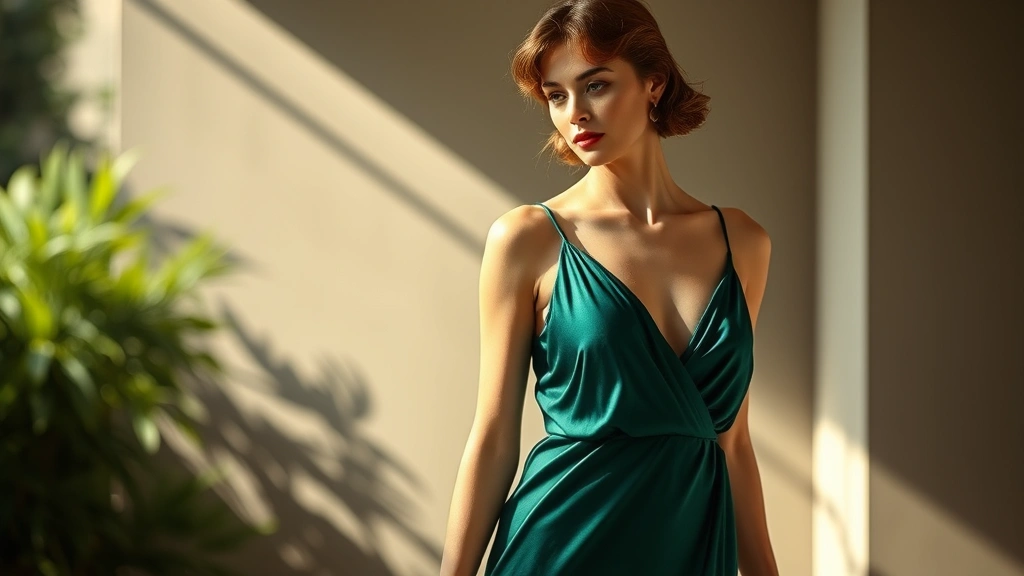
Beyond the bias-cut evening wear, the 1930s featured several other essential silhouettes worth incorporating into your vintage collection. The slip dress, a simple yet elegant piece, became a staple for both day and evening wear. These dresses often featured thin straps, minimal embellishment, and relied entirely on the quality of the fabric and the perfection of the cut for their impact. Additionally, tailored day dresses with shoulder seams positioned slightly back created an elegant, elongated silhouette that remains flattering by modern standards.
The decade also introduced the concept of the “negligée” or loungewear that prioritized comfort and elegance for at-home styling. Robes, peignoirs, and pajama sets featured luxurious materials like silk and satin, often adorned with lace trim and subtle embroidery. These pieces represented a shift in how women viewed personal style, suggesting that elegance should extend to private moments, not just public appearances. When exploring the complete fashion history timeline, you’ll notice how 1930s silhouettes influenced decades of fashion that followed.
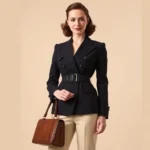
Tailored jackets and coats were equally important in the 1930s wardrobe. These pieces featured structured shoulders, nipped waists, and often incorporated innovative details like cape sleeves or asymmetrical closures. The fit was precise and intentional, requiring skilled tailoring to achieve the desired silhouette. These structured pieces provided an elegant counterpoint to the fluid evening wear, creating a complete and versatile wardrobe.
Essential Fabrics and Materials
Fabric selection was paramount in 1930s fashion, with designers and manufacturers prioritizing quality materials that moved beautifully and aged gracefully. Silk dominated the decade, appearing in various weights from delicate charmeuse to heavier crepe. Silk’s natural sheen and draping qualities made it ideal for the bias-cut designs that defined the era. The way light played across silk fabric created an ethereal quality that enhanced the sophisticated aesthetic.
Crepe, particularly crepe de Chine, became another signature fabric of the period. Its subtle texture and fluid movement made it perfect for creating elegant drapes and cascading hemlines. Crepe’s forgiving nature also meant it worked well for a variety of body types, contributing to the era’s democratic approach to fashion. Satin, with its lustrous finish, appeared frequently in evening wear, evening jackets, and formal accessories, adding glamour and refinement to special occasion outfits.
Cotton and linen played important roles in daytime fashion, particularly for sportswear and casual pieces. The 1930s saw the rise of coordinated separates—tailored cotton blouses paired with linen skirts or cotton dresses designed for active pursuits. These materials were often woven with subtle patterns or finished with fine details like pintucks or lace insertions. Wool was utilized for structured jackets, coats, and suits, offering durability while maintaining an elegant appearance.
Velvet made occasional appearances, particularly in jewel tones for evening wear and special occasion pieces. Its luxurious texture and rich color saturation made it a favorite for sophisticated cocktail attire. Lace, too, played a supporting role, appearing as trim, insertions, or entire garments. Rather than overwhelming designs, 1930s lace was used strategically to add femininity and visual interest without compromising the era’s emphasis on refined simplicity.
Color Palettes of the Era
The 1930s color palette reflected both the optimism of the early years and the economic constraints of the Depression era. Jewel tones—deep emerald, sapphire blue, ruby red, and rich purple—dominated evening wear, conveying luxury and sophistication. These saturated colors were often achieved through high-quality dyes that have, remarkably, retained their vibrancy in surviving vintage pieces. Black remained eternally elegant for formal occasions, evening wear, and sophisticated day dresses, often serving as a neutral canvas for accessories and subtle embellishments.
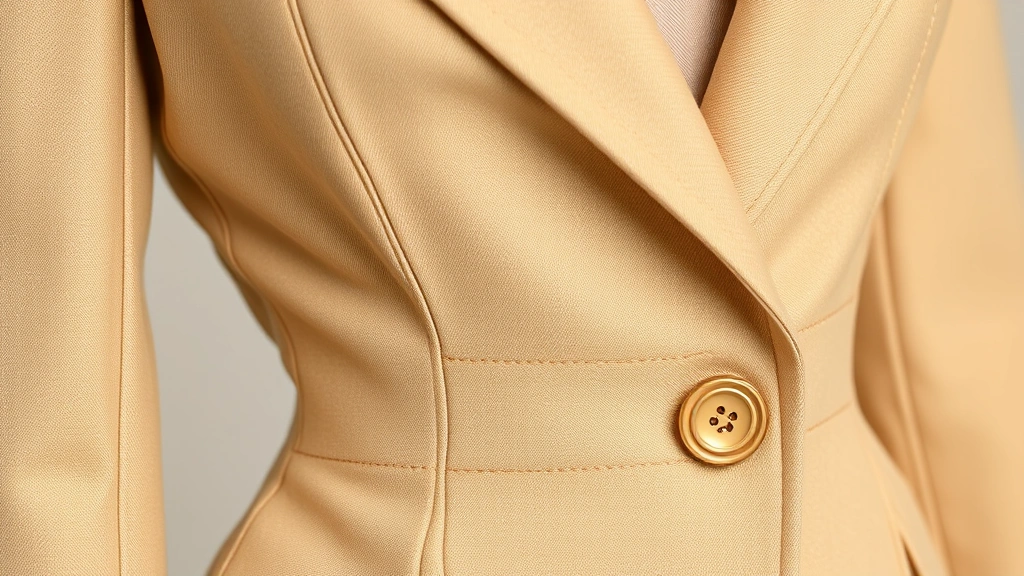
Neutrals played an equally important role in the 1930s palette. Cream, ivory, champagne, and pale gold provided a soft, romantic option for evening wear and daytime dresses. Tan, beige, and warm browns offered practical versatility for tailored day wear and sportswear. These neutral tones often featured subtle pattern or texture, preventing them from appearing dull or uninspired. Silver and gray, particularly in silks and satins, offered a modern, sophisticated option that conveyed elegance without the formality of black.
Pastels appeared more frequently in the early 1930s, with soft pink, lavender, and pale blue used for romantic day dresses and casual wear. As the decade progressed and economic conditions tightened, these lighter shades became less common, with designers favoring more practical, darker tones. However, the most striking feature of 1930s color usage was the sophistication with which colors were combined—color blocking was less common than subtle tonal variations and strategic use of contrasting trim or accessories.
Building Your 1930s Vintage Wardrobe
Constructing an authentic 1930s vintage wardrobe requires strategic planning and an understanding of how pieces work together. Start with foundational pieces: a well-fitting slip dress in neutral silk or satin, a tailored day dress in cotton or lightweight wool, and a structured jacket or coat. These basics provide the framework upon which you can build more elaborate looks. Quality over quantity should be your guiding principle—a few exceptional pieces will serve you far better than numerous mediocre ones.
Evening wear deserves special attention in your 1930s collection. A bias-cut gown in a jewel tone or metallic fabric represents the pinnacle of 1930s elegance and can serve as an investment piece for special occasions. Look for gowns featuring strategic draping, interesting necklines, or subtle embellishment. A second evening option in black or a neutral tone provides versatility for various formal events. These pieces should feature impeccable construction and quality fabrics that justify their investment.
Daytime pieces should reflect the era’s emphasis on tailored sophistication. A well-fitting day dress with structured seaming and careful attention to proportion creates an elegant silhouette suitable for various occasions. Pair this with a lightweight cardigan or short jacket for layered versatility. Separate blouses and skirts offer additional flexibility, allowing you to create multiple outfits from fewer pieces. The 1930s philosophy of mixing and matching coordinates was actually quite modern in its approach to wardrobe building.
Don’t overlook the importance of undergarments in achieving an authentic 1930s silhouette. Slip dresses require appropriate foundations, and the era’s preference for smooth, streamlined lines necessitates proper support. Vintage slips, camisoles, and undergarments help achieve the period-appropriate silhouette while ensuring your vintage pieces fit and move as intended. Understanding the construction and styling fundamentals of this era will enhance your appreciation for how to style vintage pieces with confidence and authenticity.
Accessories and Finishing Touches
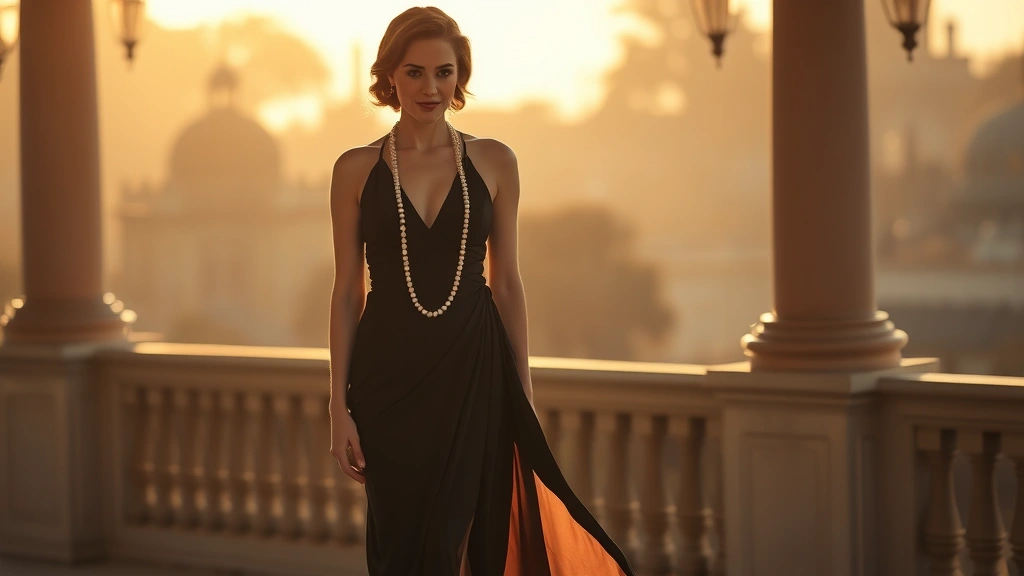
Accessories in the 1930s served as crucial elements in completing an outfit, with careful attention paid to proportion, material, and overall cohesion. Jewelry tended toward the dramatic and geometric, reflecting the Art Deco influence that dominated the decade. Long strands of pearls, whether single or multiple strands, became iconic symbols of 1930s elegance. Chandelier earrings, often featuring crystals or semi-precious stones, added glamour to evening ensembles. Art Deco brooches with their geometric designs and use of precious metals and stones represented the pinnacle of accessory sophistication.
Shoes in the 1930s featured specific silhouettes that complemented the era’s aesthetic. T-strap heels, with their characteristic crossbar, became synonymous with the period. These shoes typically featured moderate heels ranging from 1.5 to 2.5 inches, providing elegance without excessive height. Peep-toe heels and Mary Jane-style shoes also appeared frequently, often in patent leather or satin for evening wear. For daytime, oxford shoes and low-heeled pumps offered practical elegance. The construction of 1930s shoes prioritized both comfort and style, a philosophy worth remembering when selecting footwear to complement vintage pieces.
Handbags evolved significantly during the 1930s, transitioning from small evening bags to more structured daytime purses. Frame bags with organized interiors, clutches in various materials, and small structured purses with top handles became essential accessories. Evening bags often featured luxurious materials like silk, satin, or beaded fabric, frequently incorporating metal frames and decorative closures. Daytime bags prioritized practicality while maintaining elegant proportions and refined materials.
Hats represented another essential element of 1930s style, with various silhouettes serving different occasions and times of day. Small, close-fitting cloche hats, a holdover from the 1920s, continued into the early 1930s. As the decade progressed, wider-brimmed styles emerged, along with innovative designs featuring feathers, netting, or asymmetrical elements. Hats weren’t mere accessories but integral components of a complete outfit, chosen to harmonize with the overall silhouette and color palette.
Gloves extended the elegance of 1930s ensembles, with long evening gloves in silk or kid leather complementing formal wear. Shorter gloves, typically wrist-length, paired with daytime outfits and tailored suits. The fit of gloves was precise, and quality materials ensured they moved gracefully with the hand and arm. Scarves, whether silk squares worn around the neck or longer wraps used as shawls, added versatility and visual interest to both day and evening looks.
Mixing Vintage with Modern
The art of integrating 1930s vintage pieces into contemporary wardrobes requires understanding both the strengths of vintage fashion and the realities of modern life. The key to successful vintage styling lies in balancing period authenticity with contemporary practicality. A bias-cut 1930s slip dress pairs beautifully with modern ankle boots and a contemporary leather jacket, creating an outfit that honors the vintage piece while feeling current and wearable. This approach allows you to showcase vintage treasures without appearing costume-like or overly nostalgic.
Layering vintage with modern pieces creates visual interest and extends the versatility of your collection. A tailored 1930s jacket worn over modern jeans and a contemporary blouse bridges eras while showcasing the jacket’s exceptional construction. Similarly, a 1930s silk camisole layered under a modern sweater or blazer adds subtle elegance without overwhelming the contemporary piece. This strategic layering approach respects the integrity of vintage pieces while integrating them seamlessly into your everyday aesthetic.
Color coordination between vintage and modern pieces should follow contemporary palettes while honoring the vintage item’s inherent quality. A jewel-toned 1930s evening gown stands beautifully on its own, requiring only minimal, understated accessories. Conversely, a neutral 1930s day dress gains contemporary relevance when paired with modern accessories in current colors or styles. The goal is creating cohesive outfits where vintage and modern elements enhance rather than compete with one another.
Footwear choices significantly impact how vintage pieces read in contemporary contexts. Pairing a 1930s dress with modern sneakers or contemporary flats creates an intentional juxtaposition that feels current and fashion-forward. Alternatively, period-appropriate shoes honor the vintage piece’s authenticity while maintaining a cohesive, intentional aesthetic. Either approach works—the key is making conscious, deliberate choices rather than defaulting to random combinations.
Where to Find Authentic Pieces
Sourcing genuine 1930s fashion requires knowledge, patience, and understanding where to look. Specialized vintage boutiques often carry carefully curated selections of authentic pieces, with knowledgeable staff who can provide provenance and construction details. These retailers typically price pieces according to quality, rarity, and condition, ensuring you’re investing in legitimate vintage items. Building relationships with boutique owners can provide access to pieces before they hit the floor and valuable insights into authentication.
Online platforms dedicated to vintage fashion have revolutionized access to 1930s pieces. Websites specializing in vintage clothing offer extensive selections, detailed photography, and often provide construction information and sizing guidance. When shopping online, prioritize sellers with extensive positive feedback, detailed descriptions, and clear return policies. Request additional photographs, particularly of construction details, seaming, and any damage or repairs. This diligence ensures you receive authentic, quality pieces that meet your expectations.
Estate sales and auctions represent treasure troves for vintage enthusiasts, often offering pieces that have remained in private collections for decades. These venues provide opportunities to examine items in person before purchasing, allowing you to assess quality, condition, and fit. However, they require research and quick decision-making, as competition for desirable pieces can be intense. Developing relationships with estate sale companies and auction houses can provide early access to upcoming sales featuring vintage fashion.
Antique fairs and vintage markets offer the advantage of examining multiple vendors’ selections in one location. These events allow you to compare prices, quality, and availability across numerous sources. Additionally, vendors at these events often have deep knowledge of their inventory and can provide valuable insights into authentication, styling, and care. The social aspect of these venues also connects you with other vintage enthusiasts who can offer recommendations and advice.
Thrift stores and secondhand shops occasionally yield authentic 1930s pieces, though finding genuine items requires knowledge and patience. These venues typically offer lower prices than specialized vintage retailers, making them excellent places to find unexpected treasures. However, the selection is unpredictable, and you’ll need to develop an eye for identifying authentic pieces among later reproductions or items simply styled in a vintage manner.
Caring for Your Vintage Treasures
Proper care ensures your 1930s pieces remain beautiful and wearable for years to come. Storage is paramount—vintage fabrics require protection from light, moisture, and pests. Store pieces in acid-free tissue or cotton garment bags, avoiding plastic which can trap moisture and cause deterioration. Maintain consistent temperature and humidity levels, as fluctuations stress delicate fabrics and can cause damage. Cedar blocks or lavender sachets provide natural pest protection without the harsh chemicals of mothballs, which can damage vintage materials.
Cleaning vintage 1930s pieces requires careful consideration of fabric type and construction. Many vintage pieces benefit from professional dry cleaning by specialists experienced with delicate, aged fabrics. However, some pieces can be gently hand-washed in cool water using mild detergent specifically formulated for delicate fabrics. Always test cleaning methods on inconspicuous areas first, and when in doubt, consult professionals. Avoid excessive handling and wringing, instead gently squeezing soapy water through the fabric and rinsing thoroughly.
Repairs should be undertaken by experienced professionals who understand vintage construction and can maintain period-appropriate techniques. Small repairs like replacing hooks and eyes or reinforcing seams extend the life of pieces without altering their character. However, approach major alterations cautiously, as modifying vintage pieces diminishes their authenticity and value. Many vintage enthusiasts prefer to preserve pieces in their original condition, viewing alterations as compromising their historical integrity.
When wearing vintage pieces, minimize exposure to perfume, cosmetics, and environmental pollutants. These substances can stain delicate fabrics or cause discoloration over time. Apply cosmetics and fragrance before dressing, allowing them to dry completely. Be mindful of jewelry that might snag delicate fabrics, and avoid wearing vintage pieces in situations where they might encounter excessive moisture or dirt. After wearing, allow pieces to air before returning them to storage, as this helps preserve fabric integrity.
FAQ
What’s the best way to identify authentic 1930s fashion?
Authentic 1930s pieces typically feature specific construction details including bias cutting, hand-stitching, natural fiber content, and period-appropriate hardware. Examine seams, hems, and closures carefully—vintage pieces show signs of age and wear that reproductions often lack. Labels, when present, should reflect actual manufacturers from the era. Research construction techniques, materials, and styling elements specific to the 1930s to develop an educated eye for authentication. Consulting with specialists or experienced vintage dealers can help verify authenticity when uncertain.
How do I know if a 1930s dress will fit my modern body?
1930s sizing differs significantly from contemporary standards, generally running smaller. Measure yourself accurately and compare against the garment’s actual measurements rather than relying on labeled sizes. Consider that 1930s pieces often featured minimal stretch, requiring careful assessment of fit. Bias-cut pieces typically accommodate various body types beautifully despite size variations, as the cut flatters rather than constrain. When purchasing online, request detailed measurements and clarification about the garment’s stretch and flexibility.
Can I wear 1930s fashion to modern events?
Absolutely. Authentic 1930s evening gowns work beautifully for formal events, cocktail parties, and special occasions. The sophistication and quality of these pieces make them appropriate for contemporary formal wear. Daytime pieces can be incorporated into modern wardrobes through strategic layering and accessorizing. The key is wearing pieces with confidence and intention, avoiding the appearance of costume or historical reenactment. When styled thoughtfully with modern accessories and attitude, 1930s fashion reads as intentional, stylish, and fashion-forward.
How much should I expect to spend on authentic 1930s pieces?
Pricing varies widely based on condition, rarity, designer, and material. Quality day dresses typically range from $100 to $500, while exceptional evening gowns can command $500 to several thousand dollars. Designer pieces or rare garments fetch premium prices, reflecting their historical significance and craftsmanship. Investment pieces like exceptional gowns or tailored jackets justify higher prices through quality and longevity. Budget-conscious collectors can find wearable pieces at thrift stores or estate sales for under $100, though these may require professional cleaning or minor repairs.
Should I alter vintage 1930s pieces to fit modern sizing?
Approach alterations cautiously, as modifications diminish vintage authenticity and value. Minor adjustments like hemming or taking in side seams can be acceptable if done by professionals experienced with vintage construction. However, major alterations like changing bodice structure or sleeve length significantly compromise a piece’s integrity. Many collectors prefer preserving pieces in original condition, viewing alterations as detracting from historical value. Consider whether a piece’s fit justifies alteration, or whether leaving it unaltered maintains its significance as a historical artifact.
What’s the difference between 1930s early decade and late decade fashion?
Early 1930s fashion, influenced by the preceding 1920s, featured shorter hemlines and more relaxed silhouettes. As the decade progressed, hemlines lengthened, silhouettes became more structured, and the bias cut gained prominence. Early pieces often show more Art Deco influence, while later 1930s fashion embraced streamlined elegance. The Great Depression’s economic impact influenced late-decade fashion, with designers emphasizing timeless sophistication over elaborate embellishment. Understanding these distinctions helps with authentication and provides context for styling choices.