The 1920s represents one of the most transformative decades in men’s fashion history, a golden era when tailoring precision met cultural revolution. Often called the Roaring Twenties, this period witnessed a dramatic departure from the rigid Victorian aesthetic toward a more relaxed, sophisticated silhouette that still commands respect in contemporary style circles. Understanding 1920s male fashion isn’t merely about nostalgia—it’s about unlocking timeless principles of elegance that modern gentlemen continue to embrace.
Today’s most forward-thinking style enthusiasts recognize that the 1920s established the foundational grammar of men’s dressing that remains relevant across decades. From the tailored suit to the iconic fedora, from Oxford shoes to silk pocket squares, the decade created a lexicon of style that transcends temporal boundaries. Whether you’re exploring Style Loom Daily Blog for inspiration or studying vintage archives, the 1920s aesthetic offers practical, wearable lessons for contemporary gentlemen seeking to elevate their personal presentation.
The Historical Context: How Culture Shaped Men’s Style
The 1920s emerged from the ashes of World War I, a conflict that fundamentally altered masculine identity and expression. Soldiers returning from the trenches rejected the stiff formality of Edwardian fashion, craving comfort without sacrificing dignity. This cultural shift manifested in clothing as a deliberate softening of silhouettes—broader shoulders, higher armholes, and generally more relaxed proportions became the standard.
Prohibition, jazz, and the rise of consumer culture created an environment where men’s fashion became a vehicle for self-expression rather than mere conformity to aristocratic standards. The decade saw the emergence of the modern gentleman as a figure who could be both sophisticated and approachable. Understanding this context helps explain why certain 1920s elements remain so powerful: they represent a democratic approach to style, one where quality and proportion matter more than exclusive heritage.
When exploring The Complete Fashion History Timeline, you’ll discover how the 1920s positioned itself as a bridge between Victorian rigidity and modern casualness. This transitional quality is precisely what makes the era so relevant for contemporary style seekers.
The Iconic Silhouette: Tailoring That Defined an Era
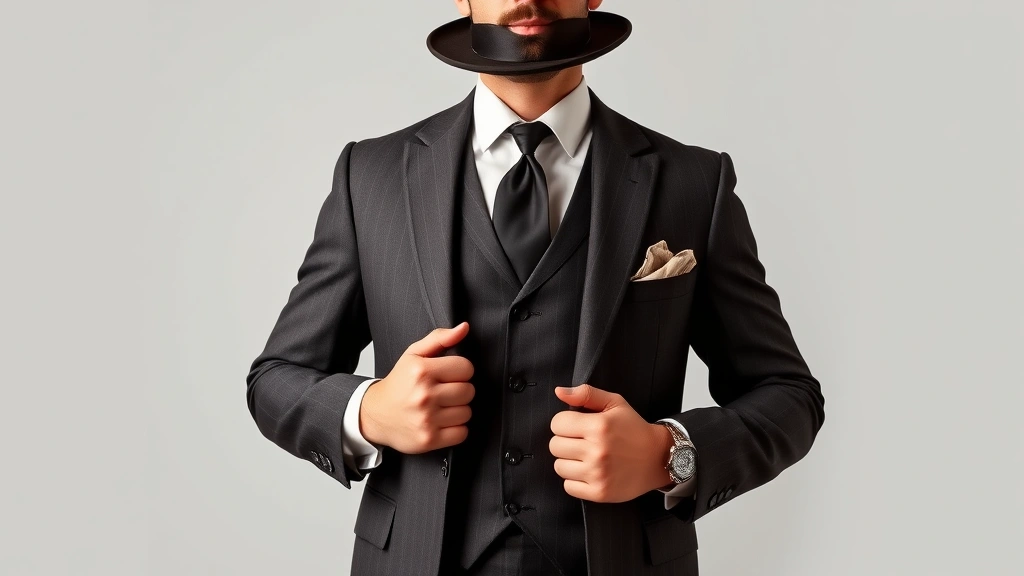
The 1920s suit represents the apex of tailoring philosophy—a garment constructed with mathematical precision yet designed to feel effortless. The characteristic silhouette featured a higher button stance (typically three buttons), broader shoulders created through careful pattern-cutting rather than heavy padding, and a slightly relaxed waist that didn’t cling uncomfortably to the torso.
The jacket length during this period typically reached mid-knee or slightly shorter, a dramatic change from the longer Victorian frock coats. Sleeve length was precise, sitting exactly at the wrist bone to showcase dress shirts and cufflinks. The lapels were notched rather than peaked, creating a more approachable aesthetic than the formal peak lapels reserved for evening wear.
Trousers during the 1920s featured higher rises—often 12-14 inches from waistband to crotch—and a straighter leg than modern cuts, though not as wide as the later 1940s zoot suits. The break at the shoe was minimal, creating clean lines that emphasized the wearer’s silhouette. Understanding these proportional relationships is crucial when attempting to incorporate 1920s styling into contemporary wardrobes, as the relative relationships between garment pieces matter more than any single element.
Essential Garments Every Modern Man Should Know
The foundational pieces of 1920s men’s fashion include several items that remain wardrobe staples today. The dress shirt, typically white or cream-colored, featured a higher collar and more substantial fabric than contemporary versions. These shirts often included a separate starched collar that could be changed throughout the day, a practical innovation for men concerned with maintaining impeccable appearance.
The waistcoat, or vest, functioned as both a practical layer and a style statement. Three-piece suits were the norm rather than the exception, with the waistcoat providing opportunities for pattern play through subtle checks or stripes. This intermediate layer created visual interest and demonstrated the wearer’s attention to detail.
Overcoats were essential garments, particularly in colder climates. The 1920s favored slightly looser-fitting topcoats that draped elegantly over the suit jacket without excessive bulk. These coats often featured a subtle waist suppression and were typically constructed from wool or wool blends in neutral tones.
The dinner jacket, or tuxedo, evolved significantly during the 1920s. While still formal, it became slightly less severe than Victorian evening wear, with a more natural shoulder line and a jacket that didn’t overwhelm the wearer’s frame. This democratization of formal wear reflected broader cultural shifts toward accessibility and individuality.
Accessories: The Details That Completed the Look
Accessories during the 1920s weren’t afterthoughts—they were integral to the overall composition. The fedora, perhaps the most iconic hat of the era, featured a crease down the crown and a brim that could be shaped to personal preference. Quality felt was essential, and the hat was treated as a valuable investment piece rather than a disposable item.
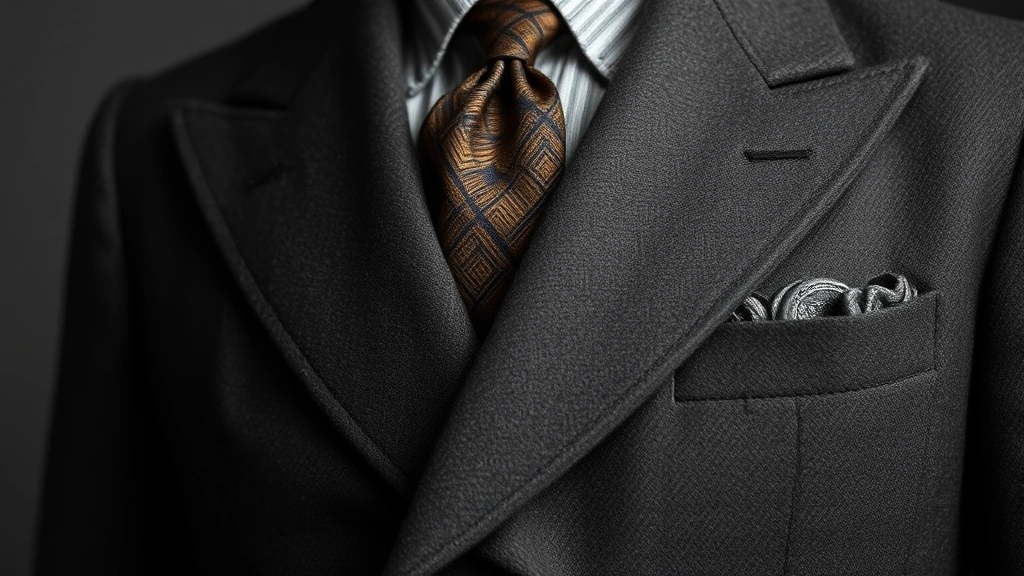
Pocket squares emerged as a primary vehicle for pattern and color experimentation. Rather than coordinating perfectly with ties, sophisticated 1920s dressers often selected pocket squares that created subtle contrast—a patterned square with a solid tie, or a solid square that provided tonal variation. This approach to layering demonstrates the decade’s understanding that sophistication emerges from thoughtful restraint rather than obvious matching.
Ties, typically silk and featuring subtle patterns or solid colors, were tied with a Four-in-Hand knot that created a slender, elongated profile. The tie was often worn longer than modern conventions dictate, reaching nearly to the trouser waistband. Cufflinks served both practical and decorative purposes, with silver or gold-plated options being standard for business wear.
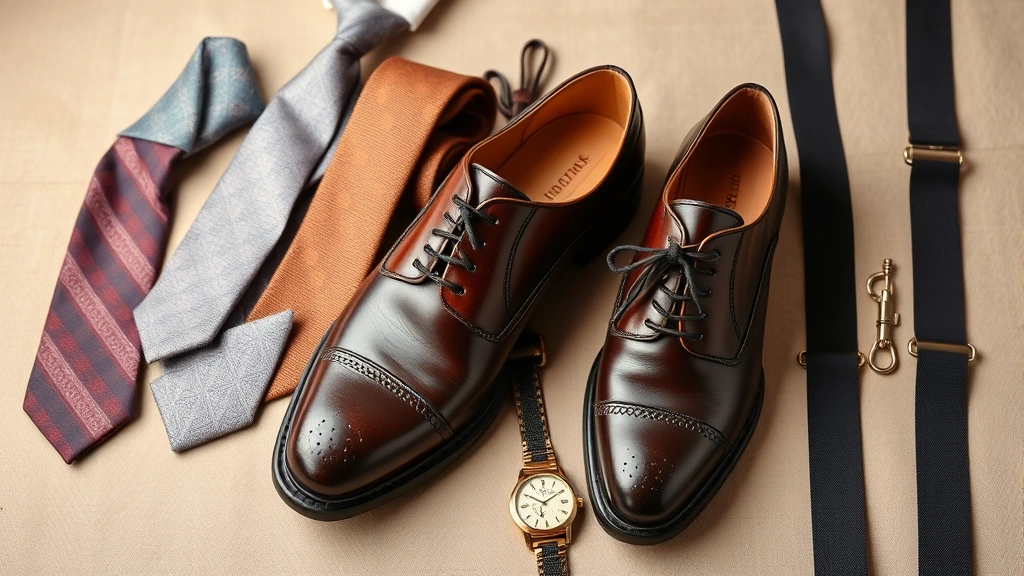
Shoes were crafted with exceptional attention to detail. Oxford shoes, brogues, and wingtips represented the primary options, all featuring leather soles and heels that created a distinctive clicking sound when walking on hard surfaces. This auditory element was actually valued, as it signified quality craftsmanship and genuine leather construction.
The watch chain, draped across the waistcoat, served as both a functional accessory and a status symbol. Pocket watches were still common, though wristwatches were gaining popularity among younger men. Suspenders, typically featuring subtle patterns or solid colors, were visible and considered an essential component of the ensemble.
Color Palettes and Fabrics of the Jazz Age
The 1920s color palette for men’s fashion was deliberately restrained, emphasizing quality over flashiness. Charcoal, navy, black, and brown dominated suit selections, with gray emerging as an increasingly popular option for business and social wear. These neutral foundations allowed accessories and subtle pattern work to provide visual interest without compromising sophistication.
Fabrics during this era were invariably natural fibers—wool for suits and overcoats, cotton for shirts, silk for ties and pocket squares. The quality of these materials was substantially higher than modern mass-produced equivalents, with natural fiber content often reaching 100 percent. This commitment to genuine materials contributed to the durability and patina that vintage 1920s garments display today.
Pattern work was subtle and sophisticated. Herringbone weaves, windowpane checks, and pinstripes appeared on suits, but in muted colorways that required close inspection to appreciate. Diagonal stripes on ties and shirt fabrics provided visual texture without boldness. This restraint reflected the era’s understanding that true elegance emerges from understatement rather than proclamation.
Texture played a crucial role in 1920s aesthetics. Wool flannel, wool worsted, and wool tweed each offered distinct tactile qualities that influenced how garments draped and moved. The fabric’s inherent characteristics were respected rather than suppressed through heavy processing or synthetic additives.
How to Incorporate 1920s Elements Into Modern Wardrobes
Contemporary men seeking to revive 1920s aesthetics needn’t adopt the entire silhouette—selective incorporation of key elements can modernize one’s wardrobe with timeless sophistication. When considering How to Find Your Personal Style, the 1920s offers an excellent reference point for developing a coherent aesthetic philosophy.
Begin with tailoring fundamentals. Invest in suits featuring higher button stances and slightly broader shoulders than contemporary fast-fashion offerings. A quality three-piece suit in charcoal or navy serves as a foundation piece that transcends seasonal trends. The fit should feel comfortable rather than tight, allowing for natural movement while maintaining crisp lines.
Incorporate vintage-inspired accessories gradually. A quality fedora worn occasionally signals style awareness without appearing costumish. Pocket squares in subtle patterns or contrasting solids add visual interest to blazers and suits. Consider adopting the 1920s practice of rotating pocket squares as a primary styling variable.
Update your shirt collection with pieces featuring higher collars and more substantial fabrics. These garments pair beautifully with contemporary suits while adding textural interest that modern thin cotton shirts often lack. The higher collar creates a more refined neckline proportion, particularly when worn with vintage-style ties.
Explore Types of Fashion to understand how vintage elements fit within broader style categories. The 1920s aesthetic aligns with classic and formal categories while offering enough flexibility to incorporate into business casual and smart casual contexts.
Footwear deserves particular attention. Quality leather Oxford shoes or brogues crafted with traditional construction methods provide the foundation for 1920s-inspired outfits. The shoe’s visual weight should balance the suit’s proportions—avoid overly chunky soles or trendy silhouettes that undermine the vintage reference.
Celebrity Influences and Style Icons
The 1920s produced several style icons whose influence extended far beyond their era. Cary Grant, though his career peaked slightly later, embodied the refined 1920s aesthetic with impeccable tailoring and understated elegance. His approach to dressing—favoring quality over quantity, classic over trendy—established a template for masculine sophistication that remains relevant today.
Duke Ellington represented a different facet of 1920s style, incorporating more vibrant colors and bolder patterns while maintaining essential tailoring principles. His influence demonstrates that the era’s aesthetic could accommodate individual expression without sacrificing refinement.
According to Vogue, contemporary designers increasingly reference 1920s menswear when developing collections, recognizing the era’s enduring appeal and technical sophistication. This ongoing influence suggests that the decade’s fundamental principles transcend historical context.
Modern celebrities have revived 1920s aesthetics for red carpet events and editorial shoots, demonstrating the era’s contemporary relevance. The silhouettes and proportions that defined the decade translate effectively to modern contexts when executed with understanding and restraint.
Common Mistakes When Interpreting Vintage Style
Many modern men misinterpret 1920s fashion by adopting only the most obvious elements—fedoras, suspenders, and bow ties—without understanding the underlying principles of proportion and restraint. Wearing these pieces in isolation creates a costume effect rather than a coherent style statement.
Another common error involves selecting garments with proportions that don’t align with 1920s principles. Overly slim-fit suits, cropped trousers, and narrow lapels contradict the era’s fundamental aesthetic. Authenticity requires respecting the decade’s silhouette while adapting to contemporary contexts.
Fabric choices matter significantly. Cheap polyester suits, regardless of their cut, fail to capture the 1920s commitment to material quality. Investing in natural fiber garments is essential for achieving the visual and tactile qualities that defined the era.
Excessive pattern mixing represents another pitfall. The 1920s valued subtle coordination and restrained visual interest. Combining multiple bold patterns in a single outfit contradicts the era’s fundamental aesthetic philosophy.
Finally, many men neglect proper tailoring when incorporating vintage elements. A 1920s-inspired suit requires precise alteration to achieve the correct proportions and silhouette. Off-the-rack garments rarely fit correctly without professional adjustment.
FAQ
What’s the most essential 1920s piece for modern men to invest in?
A well-tailored three-piece suit in charcoal or navy represents the foundational investment. This single garment communicates sophistication and provides versatility across formal and business contexts. Quality construction ensures longevity, making it a worthwhile investment despite higher initial cost.
Can I wear 1920s-inspired fashion in casual contexts?
Absolutely. The era’s fundamental principles—quality materials, precise tailoring, and restrained aesthetics—apply across formality levels. High-waisted trousers paired with vintage-inspired shirts and minimal accessories create a sophisticated casual aesthetic without appearing overdressed.
Where can I find authentic 1920s garments today?
Vintage clothing specialists, estate sales, and online marketplaces offer authentic pieces, though prices can be substantial for wearable examples. Modern reproductions from heritage brands provide accessible alternatives, though quality varies significantly across manufacturers.
Should I adopt the entire 1920s silhouette or mix elements with modern fashion?
Strategic mixing allows for personal expression while maintaining contemporary relevance. Combining 1920s tailoring principles with modern shirt fits and shoe styles creates a coherent aesthetic that feels current rather than costume-like.
How do I style 1920s fashion for different seasons?
The era’s natural fiber commitment means garments adapt beautifully across seasons. Lightweight wool suiting works for warmer months, while flannel and heavier tweeds provide winter warmth. Layering with period-appropriate pieces—vests, overcoats, and cardigans—creates seasonal variation while maintaining aesthetic coherence.
What role do hats play in 1920s fashion revival?
Hats were integral to 1920s dressing but shouldn’t be worn constantly in contemporary contexts. Strategic hat wearing—for formal events, weekend outings, or specific social situations—honors the era’s aesthetic while avoiding costume appearance.
Are there contemporary designers specializing in 1920s-inspired menswear?
Several heritage brands and contemporary designers draw inspiration from 1920s tailoring principles. The Sartorialist and similar style resources showcase modern interpretations of vintage aesthetics. Exploring these references helps develop understanding of how historical styles translate to contemporary contexts.
How important is authenticity when incorporating vintage elements?
Authenticity matters less than understanding the underlying principles. Modern fabrics, contemporary shirt constructions, and current shoe designs can embody 1920s aesthetic philosophy without requiring historically accurate reproduction. Focus on proportion, quality, and restraint rather than exact historical replication.
Can I mix 1920s elements with other vintage decades?
Mixing eras requires careful consideration of proportional relationships. The 1920s silhouette generally doesn’t harmonize with 1970s or 1990s elements, but transitional decades like the 1930s and 1940s share enough stylistic DNA to combine successfully.