1920s Fashion Comeback? Designer Insights Into the Art Deco Revolution
The roaring twenties represent one of fashion’s most transformative eras, and today’s designers are increasingly drawing inspiration from this glamorous period. From speakeasy sophistication to flapper rebellion, 1920s fashion continues to captivate contemporary style enthusiasts and industry professionals alike. This resurgence isn’t merely nostalgic—it reflects deeper cultural shifts toward self-expression, liberation, and bold individualism that resonate with modern audiences.
Leading fashion houses and independent designers are reinterpreting Art Deco geometry, dropped waistlines, and beaded embellishments for the current season. What makes this comeback particularly intriguing is how contemporary designers blend historical accuracy with modern sensibilities, creating pieces that honor the past while speaking to current fashion consciousness. Whether you’re fascinated by vintage aesthetics or seeking to understand how historical movements influence today’s runways, this exploration of 1920s fashion offers valuable insights into cyclical design trends.
The Historical Significance of 1920s Fashion
Understanding why 1920s fashion matters requires examining the social upheaval that defined this decade. Post-World War I society experienced unprecedented cultural liberation, particularly for women who gained voting rights and entered the workforce in greater numbers. Fashion became a powerful vehicle for expressing these newfound freedoms, with hemlines rising to shocking heights and corsets being discarded in favor of more comfortable silhouettes.
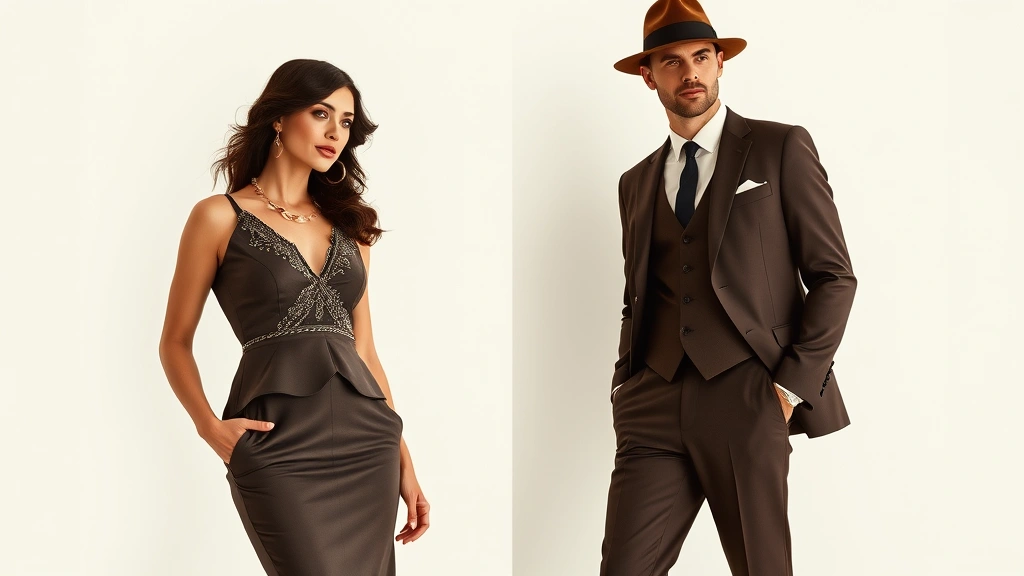
The flapper aesthetic represented radical feminism wrapped in beads and silk. Women embraced dropped waistlines, loose-fitting dresses, and shorter skirts that scandalized conservative society. Men’s fashion similarly evolved, with jazz-age gentlemen sporting sharp tailored suits, wide-legged trousers, and fedoras that conveyed modern sophistication. This era established fashion as a form of social commentary and personal rebellion—a concept that remains central to fashion’s cultural relevance today.
As detailed in our complete fashion history timeline, the 1920s marked a definitive break from Victorian restraint. The Art Deco movement simultaneously influenced design across all disciplines, introducing geometric patterns, luxurious materials, and an emphasis on modernity. This convergence of social revolution and artistic innovation created a aesthetic that remains visually compelling and culturally significant a century later.
Key Design Elements Making a Modern Return
Contemporary designers are reviving specific 1920s elements with remarkable enthusiasm. The most recognizable feature—the dropped waistline—continues to appear on runways and in ready-to-wear collections. This silhouette flatters diverse body types while maintaining the ease of movement that modern wearers expect. Unlike restrictive vintage pieces, modern interpretations utilize contemporary fabrics and construction techniques for comfort without sacrificing authenticity.
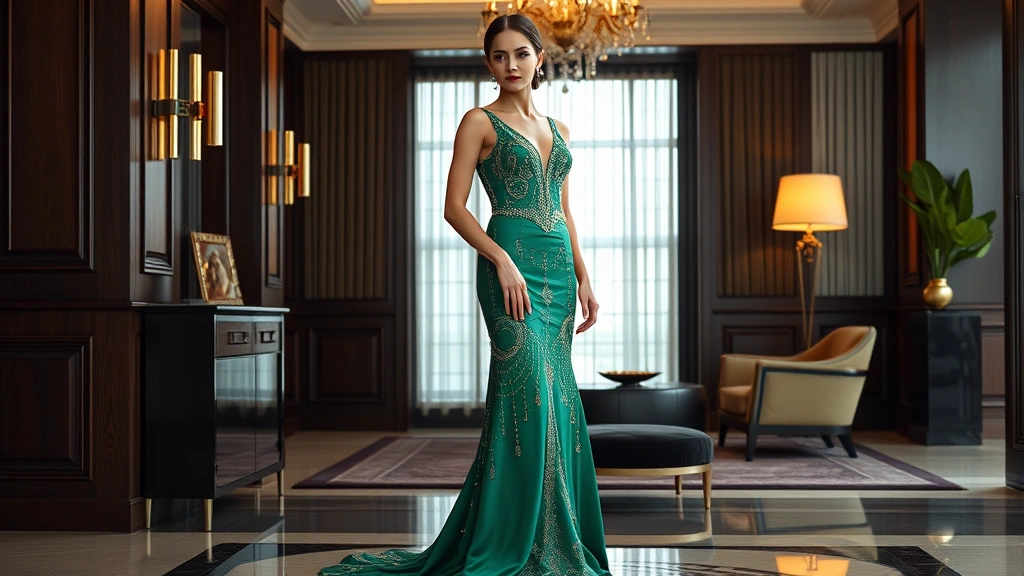
Beading and Embellishment: Art Deco geometry translated into intricate beadwork remains a hallmark of 1920s-inspired design. Modern designers employ these techniques on everything from evening gowns to casual separates, proving that ornamental detail transcends occasion-specific dressing. The precision required for authentic beadwork has become a marker of luxury and craftsmanship in high-end fashion.
Silhouettes and Proportions: The straight, androgynous silhouette of flapper dresses challenges contemporary fashion’s obsession with body-hugging fits. Modern interpretations maintain this boxy elegance while incorporating subtle shaping that appeals to current aesthetic preferences. Wide-leg trousers, another 1920s staple, have become a cornerstone of contemporary menswear and gender-neutral fashion.
Color Palettes and Fabrics: The 1920s favored rich jewel tones—emerald, sapphire, ruby—alongside metallic gold and silver accents. Modern collections echo these color choices, often paired with contemporary neutrals like charcoal and cream. Luxurious fabrics like silk charmeuse, lamé, and velvet continue to evoke the opulence associated with jazz-age glamour.
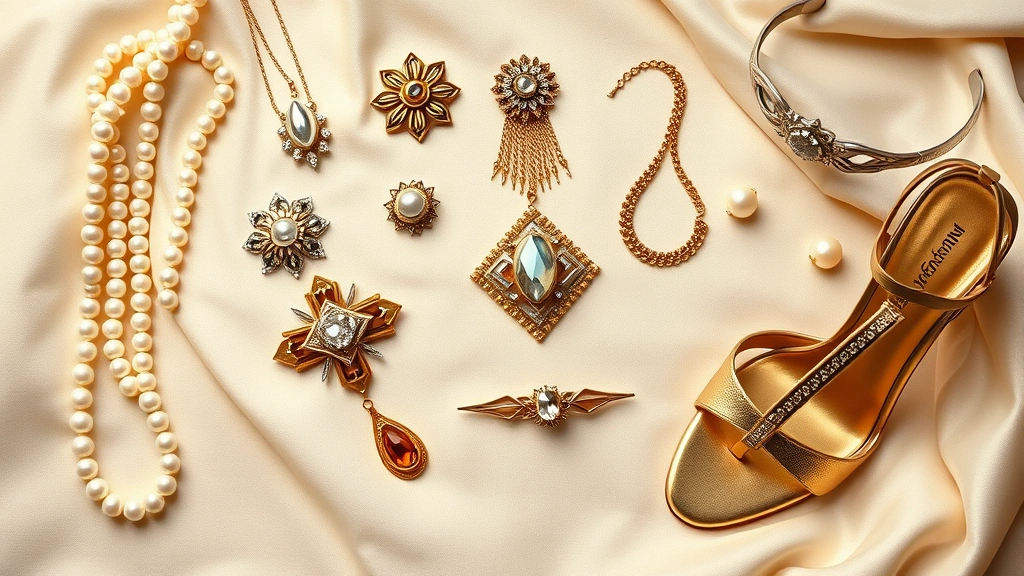
Accessories and Details: Long strands of pearls, Art Deco jewelry, headbands with geometric brooches, and T-strap heels define the complete 1920s look. Today’s designers reimagine these accessories with modern materials and updated proportions, making them accessible to contemporary wearers while maintaining historical integrity.
Designer Perspectives on the Revival
Leading fashion professionals offer compelling insights into why 1920s aesthetics continue to influence contemporary design. Vogue regularly features designer commentary on historical inspiration, and many cite the 1920s as a consistent touchstone for innovation. The era’s emphasis on individualism and self-expression resonates with modern design philosophy, which increasingly celebrates diversity and personal style.
Fashion designers appreciate the 1920s for its perfect balance of structure and fluidity. The decade’s tailoring techniques remain unmatched in precision, while the overall aesthetic allows for creative interpretation. Emerging designers particularly embrace this period because it offers rich visual language without feeling overly derivative—there’s substantial room for original reinterpretation.
The sustainability movement has also renewed interest in 1920s fashion. Vintage and reproduction pieces reduce environmental impact compared to fast fashion production. Understanding historical construction methods helps contemporary designers create more durable garments, honoring the craftsmanship standards that defined the 1920s while addressing modern ethical concerns.
Notable design houses have launched collections explicitly inspired by Art Deco and flapper aesthetics. These collections often serve as anchors for seasonal offerings, providing cohesive narratives that attract fashion-forward consumers. The commercial success of these lines demonstrates sustained consumer appetite for historically-informed contemporary fashion.
Fashion institutions recognize the 1920s as essential curriculum material. The Fashion Institute of Technology and similar schools emphasize understanding this era’s construction techniques and design principles. Students learning to find their personal style often draw inspiration from this period’s boldness and innovation.
How to Incorporate 1920s Style Into Your Wardrobe
Adopting 1920s-inspired fashion doesn’t require complete wardrobe overhaul or period costume aesthetics. Strategic incorporation of key elements creates sophisticated, modern looks that honor the era while feeling contemporary.
Start with Silhouettes: Invest in well-tailored pieces with dropped waistlines and straight cuts. A quality slip dress in silk charmeuse serves as versatile foundation piece. Pair it with modern blazers for professional settings or elevate it with contemporary jewelry for evening occasions. This approach maintains historical authenticity while ensuring pieces work within modern life.
Accessorize Intentionally: 1920s accessories provide accessible entry points for casual style integration. Long pendant necklaces, art deco-inspired brooches, and vintage-style headbands add period flavor without overwhelming outfits. T-strap heels, while less practical for daily wear, make stunning statement pieces for special occasions.
Embrace Beading and Embellishment: Look for contemporary pieces featuring geometric beadwork or sequin detailing. These elements appear on everything from casual tops to formal wear, allowing flexible styling. A beaded camisole works as evening wear or under sheer contemporary pieces for layered sophistication.
Color Coordination: Incorporate jewel tones and metallics into your existing wardrobe. An emerald green sweater or sapphire blue blouse brings 1920s glamour to casual outfits. Gold and silver accessories instantly evoke art deco sophistication when paired with modern pieces.
Mix Eras Thoughtfully: Avoid costume-like appearance by combining 1920s elements with distinctly contemporary pieces. A vintage-inspired beaded dress paired with modern sneakers and a leather jacket creates interesting tension. This approach demonstrates fashion literacy and personal style sophistication.
For professional settings, consider how dressing for a job interview might incorporate subtle 1920s elements—perhaps a drop-waist dress in neutral tones with art deco jewelry—for polished, memorable presentation.
Sustainability and Vintage Fashion Ethics
The 1920s fashion revival intersects meaningfully with sustainability conversations. Vintage and reproduction pieces reduce demand for new production, lowering environmental impact. However, this raises important ethical considerations about authenticity, labor practices, and responsible consumption.
Vintage Sourcing: Purchasing authentic 1920s pieces supports circular fashion economy principles. Vintage retailers carefully curate pieces, often providing historical context and preservation guidance. However, authentic pieces from this era command premium prices and require specialized care, making them inaccessible to many consumers.
Reproduction Ethics: Contemporary reproduction 1920s fashion offers accessibility while raising questions about craftsmanship standards. Ethical producers invest in quality construction and fair labor practices, distinguishing themselves from fast fashion approximations. Understanding production methods helps consumers make informed choices aligned with personal values.
Educational Value: Learning historical construction techniques informs contemporary design standards. Students at leading fashion design schools study 1920s tailoring to understand quality benchmarks applicable across eras. This knowledge creates appreciation for craftsmanship regardless of period.
Personal Style Development: Exploring historical fashion aids personal style discovery. Understanding why certain silhouettes appeal to you historically can clarify contemporary preferences and guide purchasing decisions toward pieces you’ll wear repeatedly, extending garment lifecycles.
The Future of Art Deco Influence
The 1920s comeback shows no signs of diminishing. Fashion cycles typically span 20-30 years, suggesting this revival will remain influential through the current decade and beyond. However, the nature of this influence will likely evolve as designers continue reinterpreting historical elements through contemporary lenses.
Emerging technologies offer new possibilities for 1920s-inspired design. Digital textile printing enables reproduction of complex Art Deco patterns at scale. Innovative fabrics provide period aesthetics with modern functionality—moisture-wicking silk alternatives, washable beading techniques, and sustainable sequins make 1920s style more practical for contemporary life.
The democratization of fashion through social media has accelerated historical trend cycles. Platforms like Instagram and TikTok showcase 1920s-inspired outfits daily, reaching global audiences and inspiring creative reinterpretations. This visibility ensures the aesthetic remains relevant to younger consumers discovering fashion for the first time.
Gender-neutral fashion increasingly draws from 1920s androgyny. The era’s rejection of restrictive silhouettes appeals to contemporary conversations about clothing freedom and self-expression. Designers are reimagining 1920s tailoring without gendered assumptions, creating pieces that celebrate individual identity over prescribed categories.
As explored in our fashion history timeline, understanding cyclical trends helps predict future directions. The 1920s emphasis on innovation, individual expression, and breaking conventions aligns with contemporary cultural values, ensuring this era remains inspirational for designers and style-conscious consumers alike.
Fashion forecasters at institutions like Trend Forecast consistently identify 1920s aesthetics as enduring influence. The era’s visual richness provides endless reinterpretation possibilities, while its cultural significance ensures emotional resonance across generations.
Aspiring fashion professionals should study this period intensively. Whether considering fashion design education or starting a fashion blog, understanding 1920s design principles provides foundational knowledge applicable across all fashion disciplines and eras.
FAQ
Why is 1920s fashion becoming popular again?
The 1920s represent cultural liberation, artistic innovation, and individual expression—values that resonate with contemporary society. The era’s visual richness and historical significance provide designers with endless inspiration, while consumers appreciate the era’s break from restrictive conventions. Additionally, sustainability interests and appreciation for quality craftsmanship align with 1920s production standards.
Can I wear 1920s-inspired fashion to work?
Absolutely. Subtle elements like drop-waist silhouettes, muted jewel tones, and art deco accessories work beautifully in professional contexts. The key is balance—pair one significant 1920s element with distinctly contemporary pieces to avoid costume appearance. A drop-waist dress with modern blazer and contemporary accessories creates polished, professional presentation.
Where can I find authentic 1920s pieces?
Vintage retailers, estate sales, and specialized online platforms offer authentic pieces, though prices reflect rarity and historical value. Contemporary reproduction pieces provide more accessible alternatives, with ethical producers offering quality construction. Explore both options based on budget, intended use, and personal authenticity preferences.
Is 1920s fashion only for evening wear?
Not at all. While the era excels at glamorous eveningwear, contemporary designers successfully translate 1920s elements into casual pieces. Drop-waist trousers, beaded tops, and art deco-inspired prints appear across all wear categories. Styling choices determine formality level—pair 1920s pieces with sneakers for casual looks or heels for elevated occasions.
How do I avoid looking like I’m wearing a costume?
Mix historical elements with distinctly contemporary pieces. Combine a vintage-inspired dress with modern sneakers, current jewelry, and contemporary accessories. Avoid head-to-toe period styling; instead, thoughtfully incorporate 1920s elements as accents within modern outfits. This approach demonstrates fashion sophistication and personal style clarity.
What’s the difference between Art Deco and flapper fashion?
Art Deco is the broader design movement emphasizing geometric patterns, luxurious materials, and modernity across all disciplines. Flapper fashion specifically describes women’s clothing of the 1920s, featuring dropped waistlines, shorter hemlines, and loose silhouettes. While distinct concepts, they often overlap in 1920s fashion, with Art Deco geometry influencing flapper dress embellishment and design.