Reviving 1850s Fashion: Historian’s Insight into Victorian Elegance
The 1850s represent one of fashion history’s most transformative decades, a period when silhouettes reached their most dramatic proportions and textile innovation flourished alongside industrial revolution advancements. This era witnessed the rise of the crinoline, the refinement of corsetry, and the emergence of fashion as a cultural phenomenon that transcended mere clothing. Understanding this pivotal moment in sartorial history offers contemporary style enthusiasts invaluable lessons about silhouette, proportion, and the art of dressing with intention.
Fashion historians and contemporary designers continue to draw inspiration from the 1850s, recognizing that these aesthetics possess timeless qualities that resonate with modern sensibilities. Whether you’re interested in historical accuracy, vintage styling, or simply understanding how past trends inform current fashion movements, exploring 1850s fashion provides a rich tapestry of knowledge. Let’s journey through this remarkable era and discover what made it such a defining moment in fashion history.
The Evolution of Silhouette and Shape
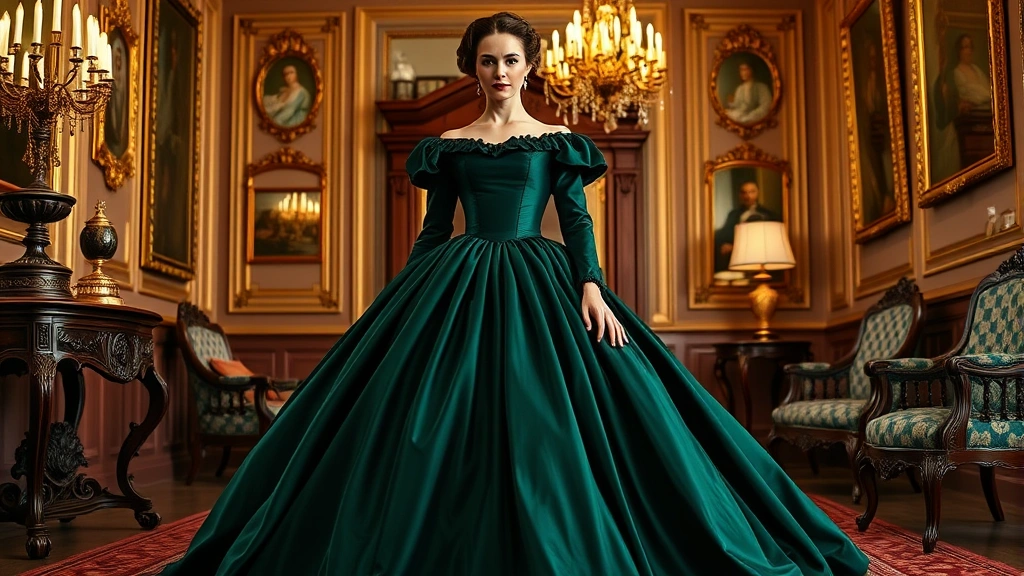
The 1850s marked a dramatic departure from the slender, elongated silhouettes of the previous decade. Instead of the narrow waistlines and subtle curves favored in the 1840s, fashion designers embraced a bell-shaped ideal that emphasized a tiny waist juxtaposed against voluminous skirts. This aesthetic represented not just a change in taste but a fundamental shift in how women’s bodies were perceived and presented within society.
The decade saw the waistline positioned at its natural anatomical location, creating an hourglass figure that required significant structural support beneath clothing. This silhouette demanded precision tailoring and strategic construction techniques that separated skilled dressmakers from amateur seamstresses. The contrast between the fitted bodice and the expansive skirt created a visual drama that dominated social spaces and established fashion hierarchies among women of various social standings.
What makes studying how to find your personal style through historical lenses particularly enlightening is recognizing how silhouette dictates overall aesthetic impact. The 1850s silhouette wasn’t simply about looking fashionable—it communicated status, wealth, and adherence to social norms. A woman’s ability to maintain such a silhouette indicated she didn’t engage in manual labor and could afford the materials and maintenance such clothing required.
The Crinoline Revolution
No discussion of 1850s fashion can proceed without addressing the crinoline, perhaps the most iconic element of this era. The crinoline cage—a framework of flexible hoops constructed from whale bone, steel, or wood—revolutionized how skirts achieved their characteristic bell shape. Unlike previous construction methods that relied on multiple layers of heavy fabric and horsehair petticoats, the crinoline provided volume with remarkable lightness.
The introduction of the crinoline in the early 1850s transformed not only fashion but also women’s daily lives. These structures allowed for greater freedom of movement compared to the heavily layered petticoats they replaced, yet paradoxically, they also restricted women’s spatial presence in new ways. The wide skirts required women to navigate doorways at angles, sit carefully on specially designed chairs, and be conscious of their physical footprint in social gatherings.
According to Vogue, the crinoline became such a defining feature that it symbolized the entire Victorian era in popular imagination, despite its actual prevalence spanning only a portion of Victoria’s reign. The engineering of these structures demonstrates remarkable ingenuity—skilled craftspeople developed increasingly refined techniques to create frameworks that were simultaneously sturdy and flexible, supporting enormous quantities of fabric while remaining relatively comfortable to wear.
Historians note that crinoline construction became increasingly sophisticated as the decade progressed. Early 1850s versions featured more rigid structures with closer-spaced hoops, while later iterations developed more graduated spacing that created smoother, more elegant lines. This evolution reflects the constant innovation occurring within the fashion industry even during a single decade.
For those interested in exploring types of fashion throughout history, the crinoline represents a fascinating case study in how technological advancement directly influences aesthetic development. The availability of new materials and construction techniques doesn’t simply allow designers to execute existing visions more efficiently—it fundamentally changes what becomes possible and desirable.
Fabrics, Textiles, and Material Innovation
The 1850s witnessed extraordinary developments in textile production and material availability. Industrial innovations made previously expensive fabrics increasingly accessible to middle-class consumers, democratizing fashion in unprecedented ways. Silk, cotton, and wool production reached new heights, and synthetic dyes began appearing alongside traditional vegetable-based colorants.
Silk remained the fabric of choice for fashionable women, with taffeta and watered silk particularly prized for their distinctive textures and light-catching properties. The crisp rustle of taffeta became synonymous with elegant femininity, and the way these fabrics moved with the crinoline framework created a distinctive silhouette that’s immediately recognizable in historical photographs and paintings. Heavier fabrics like velvet and brocade appeared in winter collections and formal wear, while lighter cotton and linen served summer and day dresses.
The introduction of chemical dyes represented a revolution in color availability and permanence. Mauve, a synthetic purple dye created in 1856, became wildly fashionable and exemplified how scientific advancement directly influenced fashion trends. This innovation meant that previously difficult-to-achieve colors became accessible, and dye stability improved dramatically compared to natural dyes that faded with exposure to light and washing.
Exploring fashion style through material examination reveals how fabric choice communicates as much as silhouette. The 1850s demonstrated how texture, sheen, and weight of fabric interact with structure to create distinctive visual effects. A dress in crisp taffeta presents entirely differently from one in heavy brocade, despite potentially sharing identical silhouettes.
Patterns and prints flourished during this period. Floral motifs, geometric designs, and nature-inspired patterns adorned fashionable fabrics. These weren’t random choices—pattern selection communicated taste and awareness of current trends. Designers carefully curated which patterns appeared in which seasons and which social contexts, establishing fashion hierarchies that influenced purchasing decisions across social classes.
Color Palettes and Ornamentation
The 1850s embraced rich, saturated colors that reflected both the new synthetic dyes available and the Victorian era’s appreciation for visual abundance. Deep jewel tones—emerald green, sapphire blue, ruby red, and amethyst purple—dominated fashionable palettes, particularly for formal and evening wear. Day dresses featured somewhat more muted tones, though still considerably richer than modern sensibilities typically associate with historical dress.
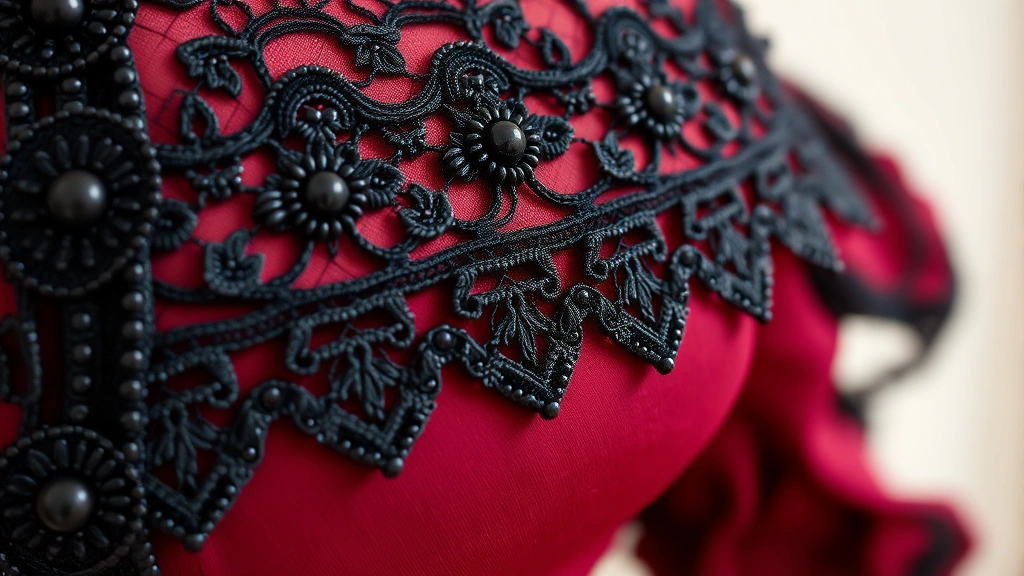
Ornamentation reached remarkable levels of complexity during this decade. Trimmings, ribbons, lace, beads, and embroidery transformed garments into elaborate works of wearable art. The construction of a single fashionable dress could require hundreds of hours of labor, with skilled seamstresses dedicating weeks to hand-stitching embellishments, attaching ribbons in precise patterns, and creating intricate details that demonstrated both technical mastery and access to expensive materials.
Lace held particular prestige, with fine Brussels lace, Honiton lace, and Valenciennes lace commanding extraordinary prices. These delicate textiles appeared as insertions, overlays, and decorative elements throughout fashionable garments. The ability to incorporate genuine hand-made lace signaled significant wealth and status, distinguishing the genuinely fashionable from those merely attempting to follow trends.
Jet beading and passementerie (ornamental braid and fringe) created dramatic visual effects, particularly on darker fabrics. These embellishments caught light and created movement, adding dimension to already-voluminous silhouettes. The labor-intensive nature of applying such ornamentation meant that fashionable dresses represented substantial investments of both financial resources and human effort.
Understanding fall fashion trends through historical perspective reveals how seasonal color palettes have ancient roots. The 1850s followed similar logic to contemporary fashion, with autumn introducing deeper, warmer tones and winter embracing jewel tones and rich fabrics. This cyclical approach to color and material selection demonstrates fashion’s consistent relationship with seasons and natural phenomena.
Accessories and Fine Details
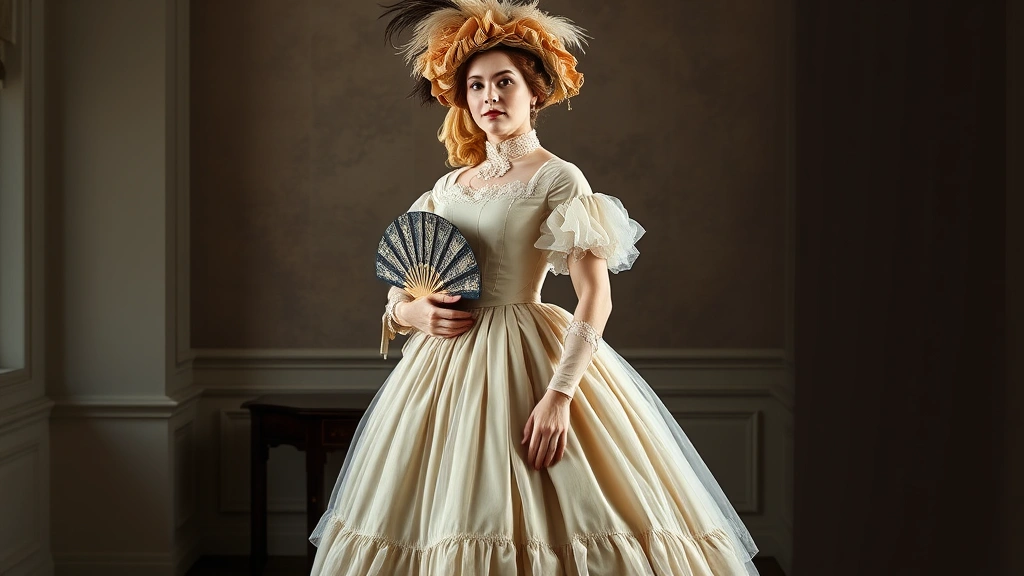
The 1850s elevated accessories to paramount importance within fashionable dress. Bonnets, perhaps the most essential accessory, reached extravagant proportions and complexity. These weren’t simple head coverings—they were architectural achievements combining structure, fabric, ribbons, feathers, and flowers into elaborate confections that framed the face and communicated fashion awareness.
Bonnet brims extended dramatically, sometimes completely obscuring the wearer’s profile. Decorative elements included ostrich feathers, silk flowers, lace, ribbons, and beading. The bonnet’s construction required specialized skills, and millinery emerged as a prestigious profession. Fashionable women consulted milliners with the same attention they devoted to dressmakers, understanding that the bonnet significantly influenced overall appearance.
Gloves represented another essential accessory, with long kid-leather gloves considered appropriate for any respectable woman. These weren’t merely functional—they demonstrated refined taste and careful attention to dressing properly. Colors coordinated with specific garments, and women often owned multiple pairs in varying lengths and styles. The proper removal and handling of gloves followed strict social protocols.
Jewelry, while present, remained relatively restrained compared to some historical periods, though precious metals and genuine gemstones remained markers of wealth and status. Cameos, lockets, and brooches held particular favor, often featuring sentimental imagery or memorial purposes. Watches and watch chains served both functional and decorative purposes.
Fans served multiple purposes—cooling, social signaling, and non-verbal communication. Fan language, a complex system of meanings conveyed through specific fan movements, reached its height during the Victorian era. Understanding these subtle communications represented an essential skill for women navigating social situations.
Shoes, though largely hidden beneath voluminous skirts, still received careful attention. Slippers featuring elaborate beading or embroidery appeared in evening wear, while day shoes emphasized comfort and practicality despite fashionable appearance. The high heels characteristic of this era contributed to the silhouette, positioning the body in ways that emphasized the arch of the back and the prominence of the bosom.
Social Class and Fashion Expression
The 1850s saw fashion become increasingly stratified by class, with distinct differences between fashionable dress worn by wealthy women and that worn by middle-class women attempting to maintain respectability on limited budgets. The materials, construction techniques, and quantity of ornamentation clearly communicated economic status to observers trained in fashion’s subtle hierarchies.
Working-class women wore simplified versions of fashionable silhouettes, with less voluminous skirts, minimal ornamentation, and practical fabrics suited to manual labor. The distinction wasn’t merely aesthetic—it reflected economic reality. The materials and labor-intensive construction of fashionable dress placed it entirely beyond working-class budgets. A single fashionable dress could cost as much as a working woman earned in months.
Middle-class women navigated complex negotiations between fashionable aspiration and economic constraint. They invested in fashionable silhouettes but substituted less expensive fabrics and simpler ornamentation. Skilled seamstresses within families or communities created dresses that followed current trends while remaining economically feasible. Fashion magazines proliferated during this period, providing middle-class women with accessible information about fashionable styles, enabling them to approximate high fashion on limited budgets.
Understanding how StyleLoom Daily Blog approaches fashion analysis reminds us that contemporary fashion analysis must similarly account for how economic factors shape style choices and expression. Just as the 1850s saw clear class stratification reflected in dress, contemporary fashion continues to communicate economic status and access.
The relationship between fashion and social position during the 1850s demonstrates how clothing functions as a language communicating complex information about the wearer’s social location, economic status, and awareness of current trends. This communicative function remains central to fashion’s cultural significance.
Modern Revival and Contemporary Interpretation
Contemporary fashion designers continue drawing inspiration from 1850s aesthetics, recognizing enduring appeal in the silhouettes, proportions, and decorative sensibilities of this era. High fashion collections frequently reference Victorian influences, reinterpreting crinolines, corseted waistlines, and elaborate ornamentation through modern lenses.
The revival of 1850s fashion appears in multiple contemporary contexts. Historical reenactors and living history enthusiasts meticulously recreate authentic garments, developing specialized knowledge about construction techniques and materials. This community has contributed significantly to fashion historical scholarship, with practitioners discovering practical details that written sources alone cannot convey.
Vintage and historical fashion enthusiasts seek authentic 1850s garments, creating markets for preserved textiles and fashionable pieces from this era. The investment required to acquire genuine period pieces has made 1850s fashion a luxury market, with serious collectors paying substantial sums for well-preserved examples.
Modern seamstresses and pattern companies have developed resources enabling contemporary makers to create historically accurate 1850s garments. Reproduction patterns, detailed instruction manuals, and online communities dedicated to historical sewing have democratized access to this knowledge, allowing enthusiasts without formal training to engage with historical fashion construction.
Exploring Fashion Nova dresses and contemporary silhouettes reveals how modern fashion continues engaging with historical references. While contemporary fast fashion operates from entirely different economic and production models than 1850s couture, the visual language of fashion—silhouette, proportion, ornamentation—maintains continuity with historical precedents.
Fashion historians and museum professionals work to preserve 1850s garments and make their study accessible to wider audiences. Major museums maintain extensive collections of period clothing, with some institutions providing public access through exhibitions, educational programs, and digitized collections. This scholarly attention ensures that knowledge about this era continues developing and remains available for contemporary study.
Contemporary designers working in historical fashion, such as those featured in Harper’s Bazaar and other fashion publications, frequently discuss their inspiration from Victorian sources. These designers demonstrate how historical study informs contemporary creativity, producing garments that honor historical aesthetics while engaging with modern sensibilities about fit, comfort, and practicality.
The psychology of historical fashion revival offers fascinating insights into why particular eras capture contemporary imagination. The 1850s appeal to those seeking visual drama, craftsmanship emphasis, and departure from minimalist contemporary aesthetics. The silhouettes, ornamentation levels, and color richness provide stark contrast to contemporary fashion’s frequent emphasis on simplicity and restraint.
FAQ
What made the 1850s silhouette so distinctive?
The 1850s silhouette featured a tiny waist achieved through corsetry and an enormous bell-shaped skirt supported by a crinoline cage. This extreme contrast created the hourglass figure that defined fashionable femininity during this decade. The crinoline innovation allowed this volume to be achieved with less weight than previous petticoat-based methods.
How did women actually move in 1850s clothing?
While the voluminous skirts appear restrictive to modern observers, women adapted to them through practice. The crinoline actually provided more freedom of movement than heavily layered petticoats, though women still required strategies for navigating doorways, sitting, and managing their skirts in social situations. Doors were often wider than modern equivalents, and furniture was specifically designed to accommodate fashionable dress.
Were 1850s fashion standards uncomfortable?
The extreme corsetry required to achieve fashionable waistlines was genuinely uncomfortable and potentially harmful to health. Tight lacing could restrict breathing and digestion and contributed to various health issues. However, women accustomed to wearing corsets from childhood likely experienced less discomfort than those trying them as adults. The health consequences of tight lacing became increasingly debated as the century progressed.
How much did fashionable 1850s dresses cost?
Fashionable dresses represented extraordinary expenses. A single fashionable gown could cost the equivalent of several months’ wages for working-class women. The materials alone—fine silk, expensive lace, quality trimmings—represented substantial investments, before accounting for the labor-intensive hand construction required for fashionable garments.
Can I wear 1850s-inspired fashion today?
Absolutely. Modern designers create contemporary garments inspired by 1850s aesthetics, offering the silhouette and styling without the historical construction. Alternatively, enthusiasts create authentic reproductions for historical reenactment, special events, or personal enjoyment. Many people incorporate 1850s-inspired elements—full skirts, corsetry, period-appropriate accessories—into contemporary wardrobes.
Where can I learn more about 1850s fashion?
Museum collections, fashion history books, online communities dedicated to historical sewing, and academic resources provide extensive information about 1850s fashion. Institutions like the Victoria & Albert Museum maintain significant collections with educational resources. Fashion history publications and podcasts also explore this era regularly.