1700s Fashion: What Can We Learn? Historian Insights
The 18th century stands as one of the most transformative periods in fashion history, a time when clothing became a powerful language of social status, political ideology, and personal expression. From the ornate silhouettes of the early 1700s to the revolutionary simplicity that emerged by century’s end, this era offers profound lessons for contemporary style enthusiasts and fashion historians alike. The 1700s witnessed dramatic shifts in how people dressed, why they dressed that way, and what their garments communicated to the world around them.
Understanding 1700s fashion provides invaluable insights into the relationship between culture, economics, and personal identity. The garments we examine from this period weren’t merely decorative choices—they represented philosophical movements, economic prosperity, technological innovation, and social hierarchies. By studying this fascinating era, we can appreciate how fashion functions as a mirror reflecting the values and transformations of society, and discover timeless principles that remain relevant to how we approach style today.
The Early 1700s: Baroque Extravagance and Social Hierarchy
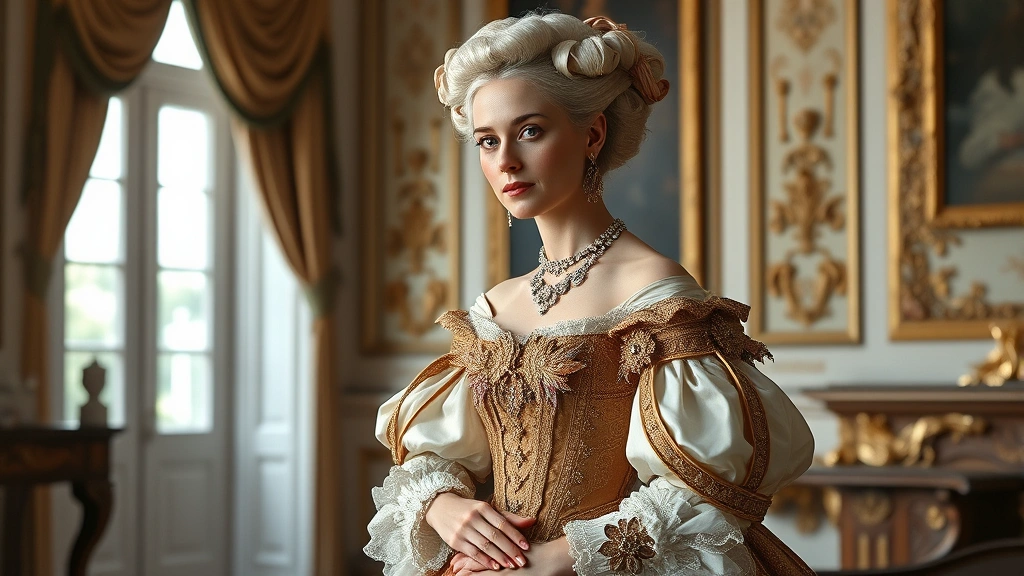
The opening decades of the 1700s inherited the grandeur of the Baroque period, a time when fashion served as the ultimate proclamation of wealth and power. The court of Louis XIV had established fashion as a tool of political control—he famously required his nobles to wear elaborate clothing at Versailles, understanding that fashion could simultaneously display magnificence while consuming wealth that might otherwise fund rebellion. This philosophy persisted into the early 1700s, where clothing became increasingly ornate, expensive, and impractical.
During this period, both men and women wore garments that required significant resources to produce and maintain. Women’s dresses featured enormous panniers—framework hoops that extended the silhouette horizontally—creating dramatic, architectural shapes that commanded physical space and attention. Men wore elaborately embroidered coats, often in brilliant colors, paired with breeches, stockings, and heeled shoes that demonstrated they performed no manual labor. The complete fashion history timeline reveals how these silhouettes communicated a clear message: the wearer possessed sufficient wealth to afford impractical garments and the leisure time to wear them.
Historians emphasize that early 1700s fashion wasn’t merely aesthetic—it functioned as a complex social code. The quality of materials, precision of construction, and intricacy of ornamentation all advertised the wearer’s economic status and social position. Understanding this context helps modern fashion enthusiasts recognize that clothing has always carried meaning beyond its functional purpose, a principle that remains central to contemporary how to find your personal style philosophy.
Silhouettes and Corsetry: Engineering Beauty in the 18th Century
Perhaps no aspect of 1700s fashion demonstrates the era’s obsession with constructed beauty more vividly than corsetry. The stays worn throughout the century represented remarkable engineering achievements—carefully boned garments that created the desired silhouette through strategic compression and support. Women’s corsets of the 1700s aimed to create an S-curve, with the torso elongated and the bust and hips emphasized through architectural understructure.
Fashion historians note that these garments weren’t designed primarily for comfort but for aesthetic and social purposes. The ability to wear a tightly laced corset signaled that a woman didn’t perform physical labor—she was ornamental, leisured, and dependent. The restriction of movement that resulted from these garments actually reinforced social messages about women’s roles and limitations. Yet paradoxically, corsets also provided physical support and allowed women to maintain posture and carry themselves with particular grace and formality.
The evolution of corset design throughout the 1700s reflects broader changes in beauty ideals and social attitudes. Early-century corsets created a more rigid, columnar silhouette, while by mid-century, designers emphasized curves more dramatically. These shifts correspond with changing philosophical ideas about the female form and women’s roles in society. Understanding the engineering and social implications of 1700s corsetry teaches us that fashion design always involves choices about how bodies are presented and perceived—a consideration that remains relevant to modern garment construction and style choices.
The Role of Textiles and Ornamentation
The textiles available in the 1700s shaped fashion possibilities in fundamental ways. Silk remained the most prestigious fabric, imported through extensive trade networks and available in increasingly varied colors and patterns as dyeing techniques advanced. Cotton, imported from India and the Americas, gradually became more accessible, though it remained relatively expensive. Wool, linen, and other natural fibers completed the palette available to tailors and dressmakers.
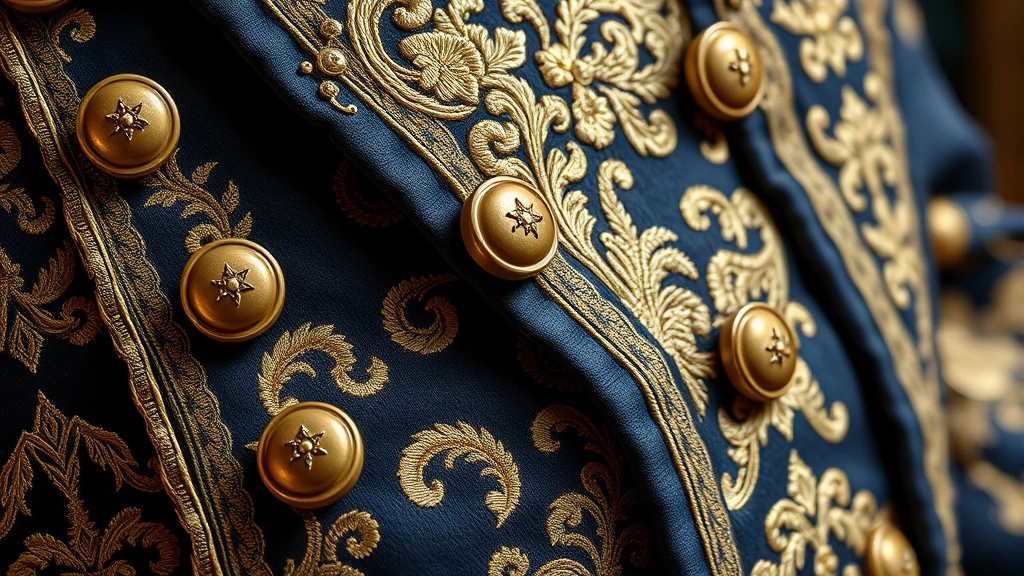
Ornamentation in 1700s fashion reached extraordinary levels of elaboration. Embroidery, lace, ribbons, buttons, and braid decorated garments in intricate patterns that required hours of skilled labor. A single coat might feature hand-embroidered designs across the entire front, back, and sleeves—work that could occupy an embroiderer for months. This investment in ornamentation served multiple purposes: it demonstrated wealth through the cost of materials and labor, showcased the wearer’s refined taste and access to the finest craftspeople, and created visual interest and beauty that elevated the garment beyond mere function.
The relationship between textile availability and fashion design offers important lessons for contemporary style enthusiasts. The fabrics we choose fundamentally affect how garments drape, move, and present themselves. Exploring different types of fashion and understanding textile properties helps us make more intentional, informed choices about our personal wardrobes.
Gender Expression and Fashion Distinctions
The 1700s witnessed increasingly pronounced distinctions between men’s and women’s fashion, a divergence that reflected broader cultural ideas about gender roles and social positions. While both genders wore ornate, colorful clothing in the early century, the trajectory diverged dramatically as the decades progressed. Men’s fashion gradually moved toward more muted colors and simpler silhouettes, while women’s fashion became increasingly elaborate and constrictive.
This gendered divergence in fashion choices wasn’t accidental—it reflected Enlightenment-era philosophies about natural differences between men and women. As modern fashion historians observe, the increasing simplicity of men’s fashion corresponded with their expansion of social roles and public participation, while women’s fashion became more decorative and ornamental as their social roles became increasingly confined to the domestic sphere and leisure activities.
The fascinating paradox of 1700s gender and fashion lies in how women used fashion as a form of power and expression despite—or perhaps because of—social restrictions. Through clothing choices, color selections, and styling details, women communicated their taste, wit, and personality. Fashion became a language through which women could express themselves within constrained social circumstances. This history reminds us that fashion has always been a complex negotiation between external constraints and personal agency.
The Enlightenment’s Impact on Style Philosophy
As the 1700s progressed, Enlightenment philosophy began to influence fashion in subtle but significant ways. Thinkers like Jean-Jacques Rousseau advocated for naturalism and simplicity as virtues, critiquing the artificial excess of aristocratic fashion. This philosophical movement didn’t immediately transform fashion, but it planted seeds of change that would blossom by century’s end.
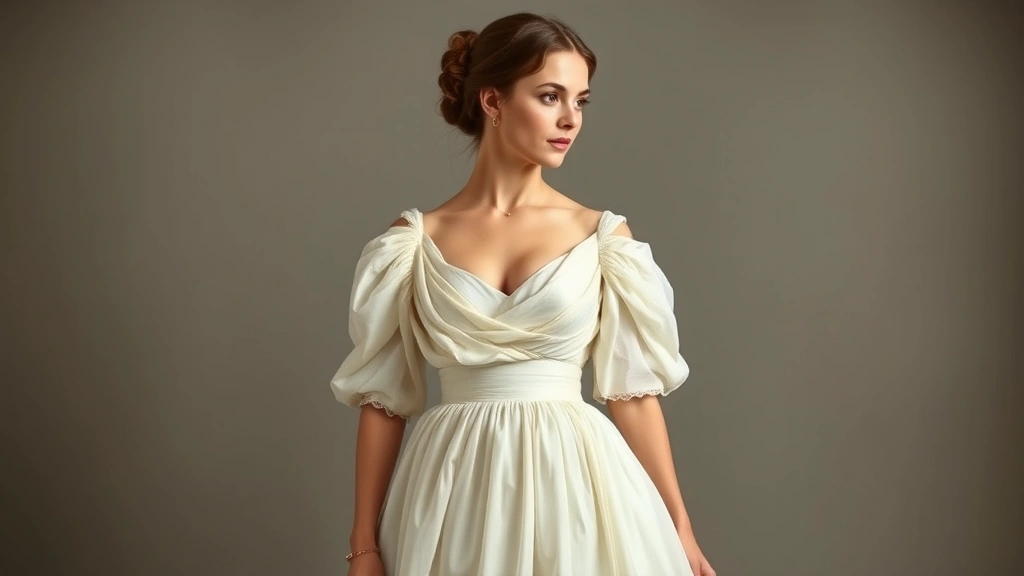
The concept of “natural” beauty and dress—paradoxically achieved through considerable artifice—emerged in the latter half of the century. Women began wearing lighter, less structured gowns that created the illusion of simplicity while still requiring careful construction and styling. The neoclassical movement, inspired by renewed interest in ancient Greek and Roman aesthetics, promoted the ideal of draped, flowing garments that appeared effortless and natural, even as they required specific fabrics and careful arrangement to achieve their intended effect.
This philosophical shift toward valuing naturalness and simplicity, even when artificially constructed, offers profound lessons for contemporary style. The Enlightenment critique of excess and artificiality resonates with modern movements toward sustainability, authenticity, and intentional consumption. Fashion historians point out that this 18th-century philosophical debate about the value of ornamentation versus simplicity continues to shape contemporary design and personal style choices.
Fashion Accessories: The Details That Defined an Era
Fashion accessories in the 1700s carried extraordinary importance and complexity. Fans, for instance, weren’t mere cooling devices—they were intricate works of art, often painted with elaborate scenes, and essential tools for non-verbal communication in social settings. The language of the fan, with specific gestures communicating different meanings, represented a sophisticated form of expression particularly important for women navigating restrictive social conventions.
Jewelry, shoes, stockings, hats, and gloves all served as crucial elements of 1700s fashion. A gentleman’s shoe buckles, made from precious metals and set with stones, could cost as much as a servant’s annual wages. Women’s shoes featured heeled designs that elevated the foot and created a particular silhouette when walking. Hair ornamentation, including elaborate powdered coiffures decorated with ribbons, feathers, and jewels, required hours of skilled work and regular maintenance.
The complexity and importance of accessories in 1700s fashion teaches us that complete style isn’t achieved through garments alone. Accessories function as the finishing elements that transform an outfit, communicate refinement and taste, and allow for personal expression and individuality. This principle remains central to contemporary fashion philosophy and personal styling.
Class, Commerce, and Fashion’s Economic Revolution
The 1700s witnessed the emergence of fashion as a commercial enterprise in ways that would fundamentally transform the industry. While fashion had always involved commerce, the 18th century saw the development of fashion as a business sector with its own dynamics, key players, and economic significance. London and Paris emerged as fashion capitals, with tailors, dressmakers, and milliners becoming recognized professionals whose taste and innovations shaped broader trends.
Importantly, the 1700s saw the beginning of fashion’s democratization. While the aristocracy continued to set fashion standards, a growing merchant and professional class possessed sufficient wealth to purchase fashionable garments. This expansion of the fashion-consuming public created new markets and opportunities. Tailors and dressmakers began producing garments for this broader clientele, and fashion became increasingly available beyond the highest aristocratic circles.
The StyleLoom Daily Blog frequently discusses how fashion intersects with economics and commerce, a conversation that has deep historical roots in the 1700s. Understanding how commercial interests shaped fashion choices during this period helps us recognize similar dynamics operating in contemporary fashion industries and markets.
The Rise of Fashion Publications and Style Authority
The 1700s witnessed the emergence of fashion publications and fashion journalism that would establish new forms of style authority and influence. Publications like the Spectator and specialized fashion magazines began circulating, featuring descriptions and illustrations of fashionable garments. These publications did more than simply document fashion—they actively shaped it by elevating certain styles as desirable and dismissing others as outmoded.
Fashion plates—detailed illustrations of fashionable garments—became increasingly popular throughout the century, allowing people without direct access to fashion capitals like Paris to learn about and potentially replicate current styles. This represented an early form of fashion democratization, as information about style became more widely available through printed media. The rise of fashion authority figures—designers, tastemakers, and fashion journalists—established patterns of style influence that persist today.
The historical emergence of fashion media and style authority offers valuable perspective on contemporary fashion influencers and style arbiters. Fashion publications and authorities in the 1700s served similar functions to modern fashion blogs, magazines, and social media influencers—they identified trends, validated certain aesthetic choices, and guided consumer decisions about style.
Lessons for Modern Fashion Enthusiasts
Studying 1700s fashion offers multiple valuable lessons for contemporary style enthusiasts and fashion professionals. First, fashion functions as a language that communicates identity, status, values, and social position. The garments we choose to wear carry meaning—consciously or unconsciously. By understanding how 1700s fashion communicated messages about wealth, gender, philosophy, and social position, we become more aware of what our contemporary clothing choices communicate about us.
Second, the relationship between constraint and creativity proves endlessly fascinating. Despite—or perhaps because of—restrictive corsetry and rigid social codes, 1700s fashion generated remarkable creativity and innovation. Understanding how people expressed individuality and creativity within constraints helps us approach our own fashion choices with greater intentionality and sophistication.
Third, fashion always involves a negotiation between external influences and personal agency. The dominant styles of the 1700s reflected aristocratic preferences, philosophical movements, economic realities, and technological capabilities. Yet within these constraints, individuals made choices that expressed their personality, taste, and values. This principle remains central to contemporary personal style development.
Fourth, studying historical fashion deepens our appreciation for the complexity and significance of clothing. Fashion isn’t frivolous—it reflects and shapes culture, embodies philosophical ideas, enables economic activity, and serves as a vehicle for personal and social expression. Recognizing this significance elevates fashion from a superficial concern to a meaningful aspect of human culture.
Fifth, the history of fashion reveals that our contemporary concerns about sustainability, authenticity, and intentional consumption aren’t entirely new. The Enlightenment critique of excessive ornamentation, the value placed on quality and durability in construction, and the relationship between fashion and identity all echo in modern conversations about fashion ethics and personal style. We’re not inventing new principles—we’re rediscovering and reimagining timeless ones.
Finally, fashion history demonstrates that styles change, yet certain principles endure. The specific silhouettes, fabrics, and ornamentation of the 1700s have passed from fashion, yet the fundamental human desire to express identity through clothing, to communicate social position and values, and to create beauty through garment construction remains constant. Understanding these enduring principles helps us navigate contemporary fashion with greater wisdom and intentionality.
For those interested in deepening their fashion knowledge, exploring Vogue’s fashion history resources provides authoritative perspectives on how historical periods like the 1700s influence contemporary design. The Metropolitan Museum’s collection includes remarkable examples of 1700s garments that demonstrate the sophistication and craftsmanship of the era. Additionally, Fashion Institute of Technology offers scholarly resources for understanding fashion history through academic frameworks.
FAQ
What were the main characteristics of early 1700s fashion?
Early 1700s fashion featured ornate, elaborate garments in bright colors with extensive embroidery and ornamentation. Women wore enormous panniers creating wide silhouettes, while men wore embroidered coats, breeches, and heeled shoes. Both genders wore garments that signaled wealth and leisure through their impracticality and cost.
How did fashion change throughout the 1700s?
Fashion gradually moved from the ornate Baroque style toward neoclassical simplicity by century’s end. Men’s fashion became increasingly plain and muted in color, while women’s fashion remained ornate longer but eventually incorporated lighter, more flowing silhouettes inspired by classical ideals.
What role did corsets play in 1700s fashion?
Corsets were essential garments that created the desired silhouette through strategic boning and compression. They communicated that the wearer performed no manual labor and served social functions beyond aesthetics, though they also provided support and allowed women to maintain particular posture and carriage.
How did Enlightenment philosophy influence 1700s fashion?
Enlightenment thinkers like Rousseau promoted naturalism and simplicity as virtues, critiquing excessive ornamentation. This philosophical movement gradually influenced fashion toward lighter, less structured garments that created an illusion of natural beauty, even when requiring careful construction and styling.
What can modern fashion enthusiasts learn from studying 1700s fashion?
Historical fashion study teaches us that clothing functions as meaningful communication, reveals how people express creativity within constraints, demonstrates the negotiation between external influences and personal agency, and shows that timeless principles underlie changing styles and trends.
How did social class influence 1700s fashion?
Fashion in the 1700s served as a clear marker of social class, with fabric quality, ornamentation complexity, and garment construction techniques signaling wealth and status. However, as merchant and professional classes grew wealthier, fashion gradually became more accessible beyond the highest aristocratic circles.
Were there gender differences in 1700s fashion?
Yes, significant gender differences emerged throughout the century. Men’s fashion became increasingly simple and muted, while women’s fashion remained ornate and elaborate. This reflected philosophical ideas about gender roles, with women’s fashion becoming more decorative as their social roles became increasingly confined to domestic and leisure spheres.